


I want to start with something Treasure David said that stayed with me long after we finished talking.
He said: “Until now, my dad never recovered.”
He was talking about his father, an Igbo man who ran a supermarket and a pharmacy while holding down a nine to five job. His mother managed the business. They were doing well. They were building something.

And then his dad had a serious accident, and the money that was supposed to grow the business went to the hospital instead. When they needed external support to recover, the business wasn’t structured well enough to attract it.
Then came a bad debt with brutal interest. Then came the asset sales. Then came the day the family had to pack out of where they lived and move somewhere smaller.
Treasure watched all of it happen. He was a child, but he understood enough to know that two capable people, two real entrepreneurs, had been broken not by a lack of will but by a lack of the right support at the right time.
That moment planted a seed. And everything he has built since is that seed, grown.
Treasure is the founder and convener of the Africa SME Assembly, a subsidiary of his parent company Innovative Village, which he formally registered in 2023, though in practice he had been working informally since 2019 and 2020, when he partnered with the French Embassy to support over 900 businesses in Rivers State with enterprise development and eco-friendly business training. He has been doing some version of this work for almost a decade.
The mission is straightforward even if the work is not: help African businesses and startups access the right resources, the right networks, and the right knowledge to actually scale.
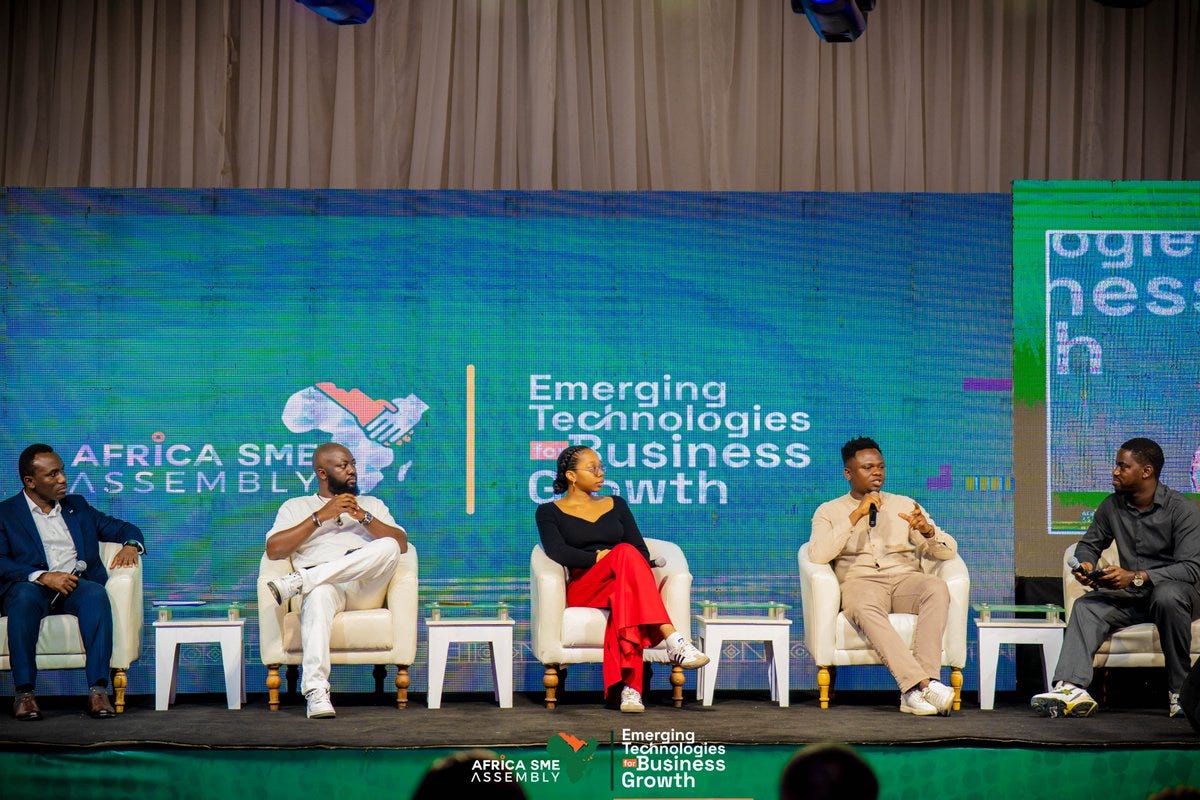
Africa, he says, is at a point where we cannot afford to be ignorant of where the world is going, and businesses on this continent need to be positioned to benefit from that movement, not just watch it happen.
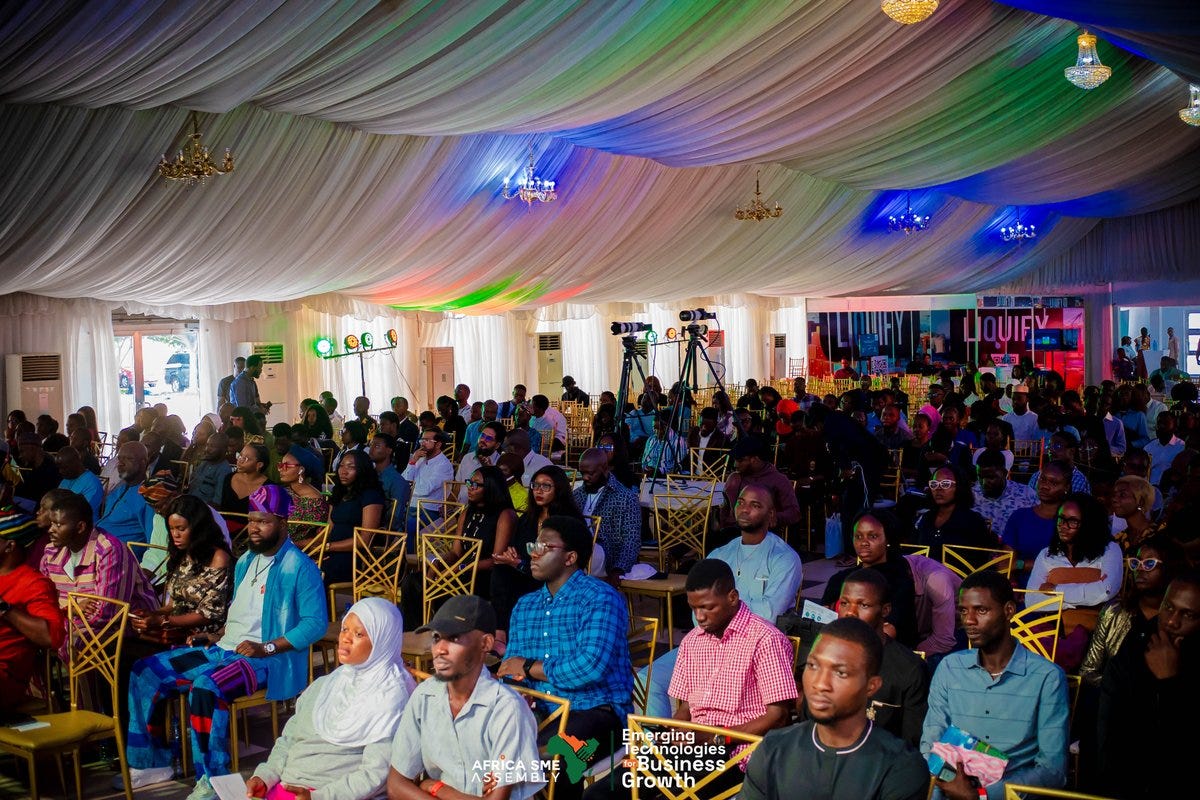
By the time the Africa SME Assembly took its current shape, Treasure and his team had already had meaningful interactions with over 2,000 businesses. Today the community sits at roughly 9,500. He speaks to business owners almost every day.
So what does he keep hearing?
Here is the thing that might surprise you. The number one problem he hears is not funding.
It is operations.
Most businesses in Nigeria, Treasure says, are not structured well enough to receive funding even when it is available. The internal architecture is shaking. People go to school, study biochemistry or law or engineering, leave university, and then decide to start a business in a completely different field, without learning that field the way they learned their degree.
They build on assumptions. They try things out without deeply understanding why those things might work. And they do it alone, without mentors, without guidance, without anyone who has walked that road before them.
“A lot of business owners are building in isolation and with less knowledge,” he told me. “Those are the two major challenges.”
Funding is second. And yes, it is real, many businesses simply do not have the resources to even pay for the operational structure they need. But Treasure’s point is that throwing money at a structurally broken business does not fix the business. It just accelerates the collapse.
The third challenge is the capital model itself. The VC and investor ecosystem in Africa, he argues, was not designed for African SMEs. It works for a selected few. It moves too fast for the realities of building in economies with currency volatility, exchange rate pressure, and macro instability that can shift overnight.
What African businesses actually need is what he calls patient capital, blended finance, impact investment, flexible structures that understand this environment and give businesses the room to breathe and grow inside it.
“The capital model in Africa has not worked,” he said plainly. “The best kind of funding for this ecosystem may not be the VC format. It has to be patient. It has to be flexible.”
His solutions are just as practical as his diagnosis.
The African Business Accelerator, launching in July, is the main vehicle. It brings businesses together, connects them with mentors and tools, gives them structured operational roadmaps, and builds the kind of community that means nobody has to build alone anymore.
It is closed-loop, outcome-based, and built from everything Joshua has learned interacting with nearly ten thousand businesses over the last several years.
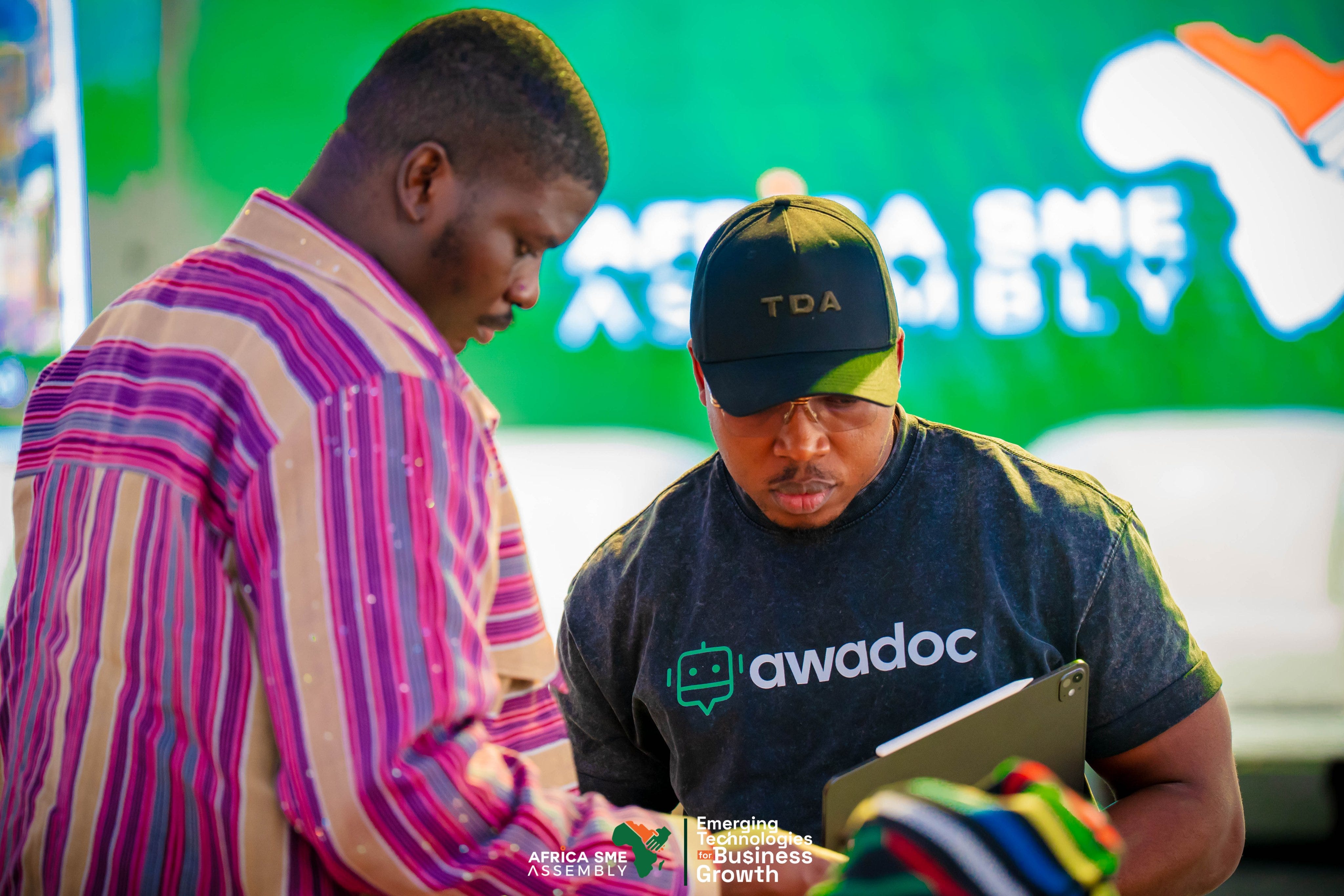
The longer vision is bigger. Africa SME Assembly started as an event platform, just a room to bring business owners and policymakers together for real conversations. But the businesses kept asking for more. They didn’t just want to interact. They wanted a system. They wanted a pipeline to resources, funding, knowledge, and the kind of support that actually moves the needle.
So he is building that pipeline. Not just for Nigeria. For the continent.
I also want to say this, because it matters.
At one point during our conversation, I told Treasure that I could relate to his story. I told him I could. My parents were traders too, frozen foods, during COVID, and the business didn’t survive it.
I had to withdraw from a private university in my first year because things fell apart. I didn’t leave because they asked me to. I left because I understood enough to know they couldn’t keep up, and as a sensible child, you make that call yourself.
Treasure said something I won’t forget: “Imagine what the other side of the story would have been. And then imagine how many other people that same story is happening to, right now, across this continent.”
That is why he gets up and does this every day. And honestly? It’s part of why I do this too.
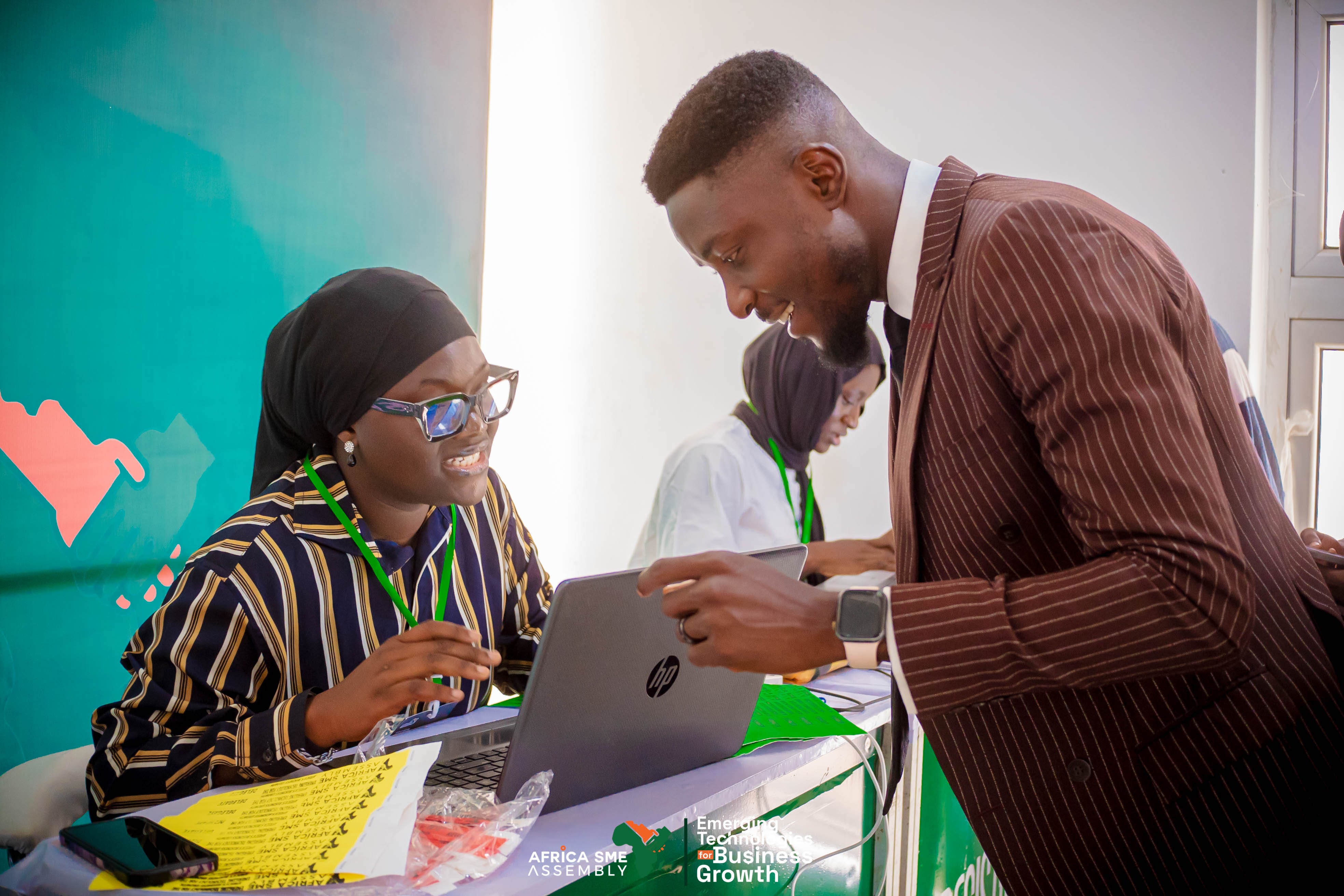
The African Business Accelerator applications are now live. If you run a business and you are tired of building alone, this is the room you have been looking for.
Reach the Africa SME Assembly through Innovative Village for details on how to apply.
Are you a founder building something for African businesses? I want to hear your story. in60spotlight@gmail.com