


Let’s be honest about something before we start.
This is not a “drop out of school” piece. This is not permission to tell your parents you saw an article and you’re leaving OAU on Monday. This is about seven real people who made a calculated bet, not a reckless one, and what actually happened after.

Because the dropout conversation in African tech is always either too romantic or too dismissive. Nobody sits down and tells the full story. Let’s do that today.
01. Seun Lanlege — Polytope Labs / Hyperbridge
Seun Lanlege studied Remote Sensing and Geosciences at the Federal University of Technology Akure (FUTA), not Ado Ekiti, not London, FUTA. He left in 2016 after two years.
What he left for was not immediately obvious to most people. He went deep into open source blockchain development, taught himself cryptography, and eventually became a core developer on Ethereum and then Polkadot, two of the most important blockchain networks ever built.
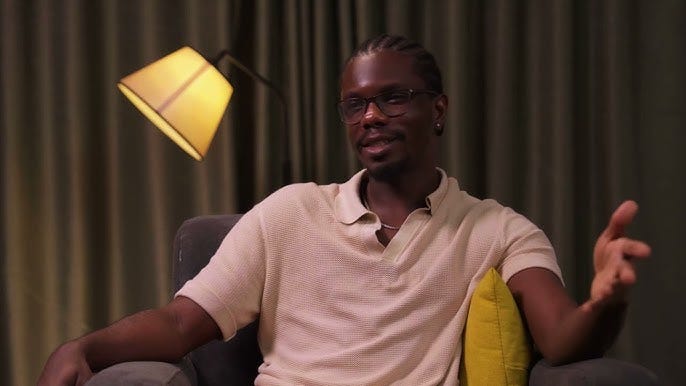
In 2023, he co-founded Polytope Labs with David Salami and built Hyperbridge, a cross-chain interoperability protocol that solves one of blockchain’s hardest problems. As of late 2025, Hyperbridge had processed over $180 million in transactions and delivered over 53,000 cross-chain messages on mainnet. The company raised a $5.3 million seed round and runs on a team of 10 people.
A viral skit claimed he was blowing the money on Benzes. He wasn’t. He was building infrastructure that most well-funded teams with hundreds of engineers haven’t cracked. FUTA produced him. He outgrew what FUTA could teach him. Both things can be true.
02. Yele Bademosi — Nestcoin / Bundle Africa / Microtraction
Yele Bademosi attended King’s College London to study medicine. His father wanted him to be a doctor. He wanted to build things. So he dropped out, spent a full year teaching himself iOS development and UI/UX design from scratch, no bootcamp, no course, just obsession, and went back to Nigeria.
He became the first Director of Binance Labs Africa. He founded Bundle in 2019, Africa’s crypto-native social payments app. Then Nestcoin in 2021, building Web3 products for everyday people in frontier markets. Then Microtraction, an angel fund backing Africa’s earliest stage startups.
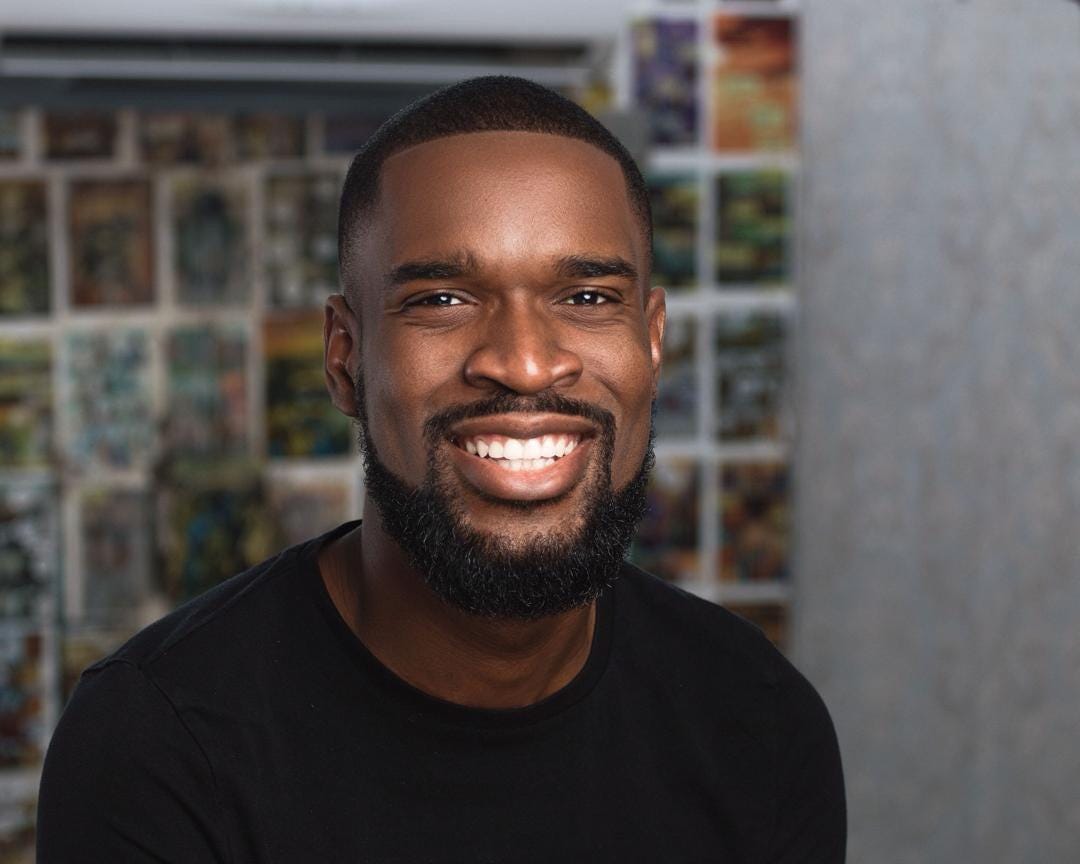
When FTX collapsed in 2022 and Nestcoin lost funds it had stored on the exchange, Bademosi didn’t go quiet. He restructured and kept building. A medical school dropout who is now one of the most consequential builders in African Web3. His dad wanted a doctor. He became something harder to explain, and harder to replace.
03. Silas Adedoyin — Catlog (Techstars NYC 24’)
In 2018, 18-year-old Silas Adedoyin dropped out of the Federal University of Technology Minna to focus on a social learning startup called Easyasitis. That startup didn’t work out. Most first startups don’t.
But the decision to leave and go all in on building didn’t fail, it compounded. He kept building, kept learning, eventually co-founded Catlog, a commerce platform that lets African businesses sell through WhatsApp and social media without needing a complicated e-commerce setup.
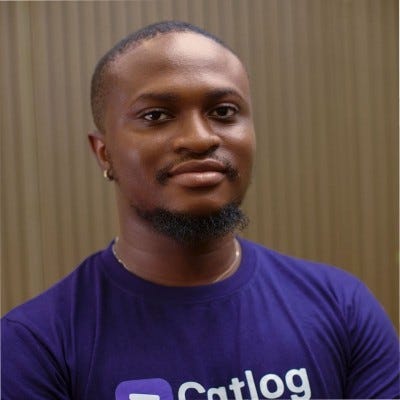
Over 20,000 businesses now use it. In 2024, Catlog got into Techstars NYC, one of the world’s most competitive accelerator programmes. The university he left in 2018 is still running. His company is in New York. Make of that what you will.
04. Nathan Nwachukwu — Klas / Terra Industries
This one gets wilder the more you learn.
Nathan Nwachukwu got a scholarship to study Software Engineering at Carleton University in Canada in 2020. He dropped out to build Klas. A scholarship. To a Canadian university. He walked away from it. Klas became an edtech platform used by 700,000 people and raised $1.36 million from Techstars Toronto and Voltron Capital. Not bad for someone who left a scholarship behind.
But here is where it gets mad. Nathan lost an eye at age 15. He started building at 15. He co-founded Terra Industries in 2024 at age 22. Terra Industries is a defence-tech startup building autonomous drones and security systems to protect Africa’s critical infrastructure from terrorism.
The company has raised $34 million in total, led by 8VC, founded by Palantir’s co-founder Joe Lonsdale, with follow-on from Lux Capital, and investors including Hollywood actor Jared Leto and Flutterwave CEO Olugbenga Agboola’s fund. Terra’s valuation now exceeds $100 million.
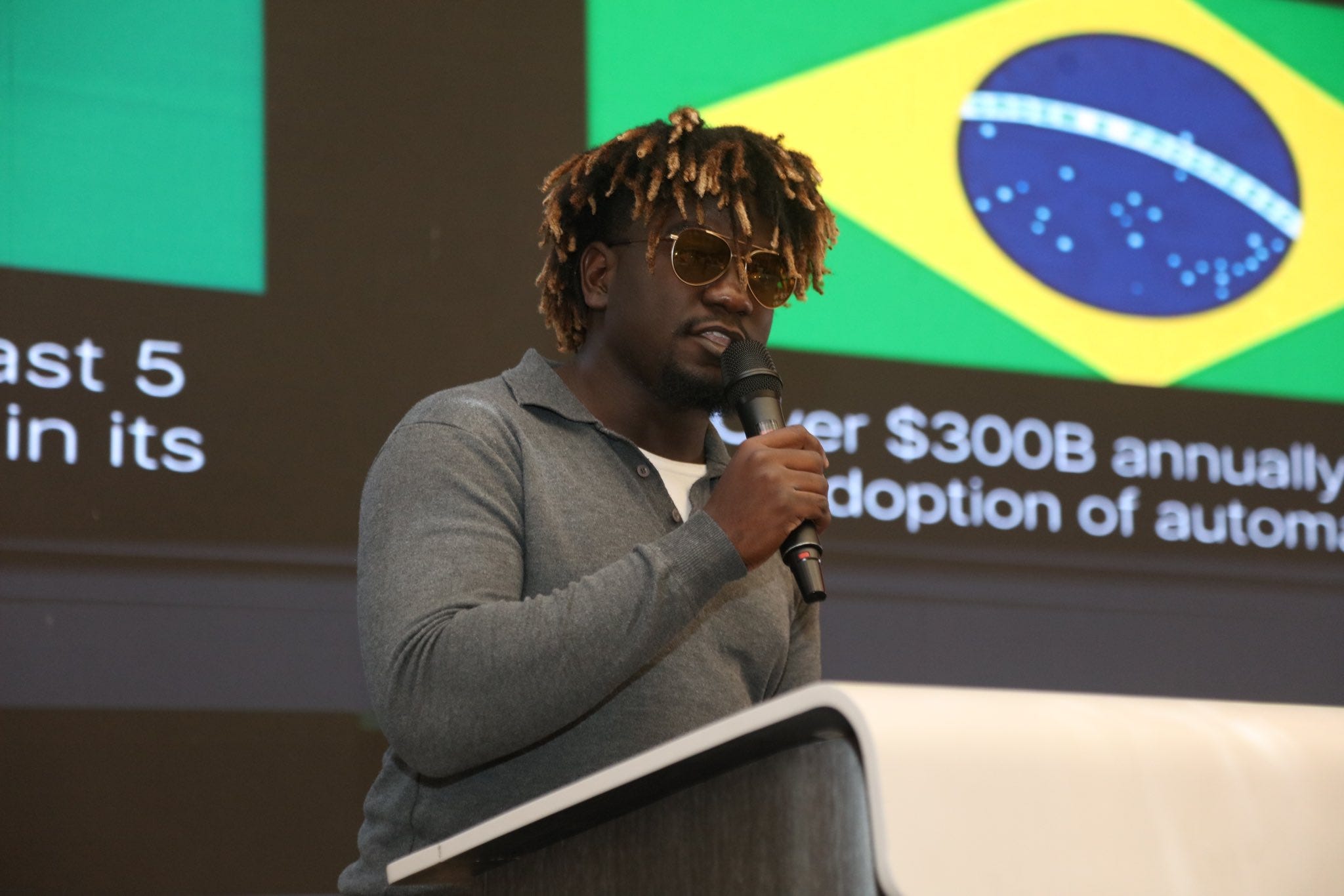
They are building what will be Africa’s largest drone manufacturing plant in Accra, Ghana. Contracts already secured cover roughly $11 billion worth of critical infrastructure across eight African countries.
He dropped out of a Canadian scholarship programme. He then built two companies. One used by 700,000 people. One valued above $100 million. He is 22.
05. Tade Oyerinde — Campus.edu
Here is the one that makes your brain do a double take. This Nigerian-born founder grew up in Atlanta, dropped out of college, and became a college chancellor at age 29. A college dropout who became a college chancellor.
He co-founded Campus.edu, an accredited online college that helps students complete their first two years of college without taking on any debt. The mission is literally to fix the broken system he left.

The company raised $100 million in total funding including a $46 million Series B led by General Catalyst in March 2025. A man who quit school went back and built a better version of it. That is either deeply poetic or deeply Nigerian energy. Probably both.
06. Ashish Thakkar — Mara Group
Not Nigerian but impossible to leave off this list. Ashish Thakkar’s family survived the Rwandan genocide in 1994 and fled to Uganda. At 15 years old, with a $5,000 loan, he dropped out of school and started a small IT business importing computer parts from Dubai to sell in Kampala.
His parents agreed on one condition, if it didn’t work, he’d go back to school. It worked. That small IT shop became Mara Group, a pan-African conglomerate now operating across 25 African countries in technology, financial services, real estate, and manufacturing.
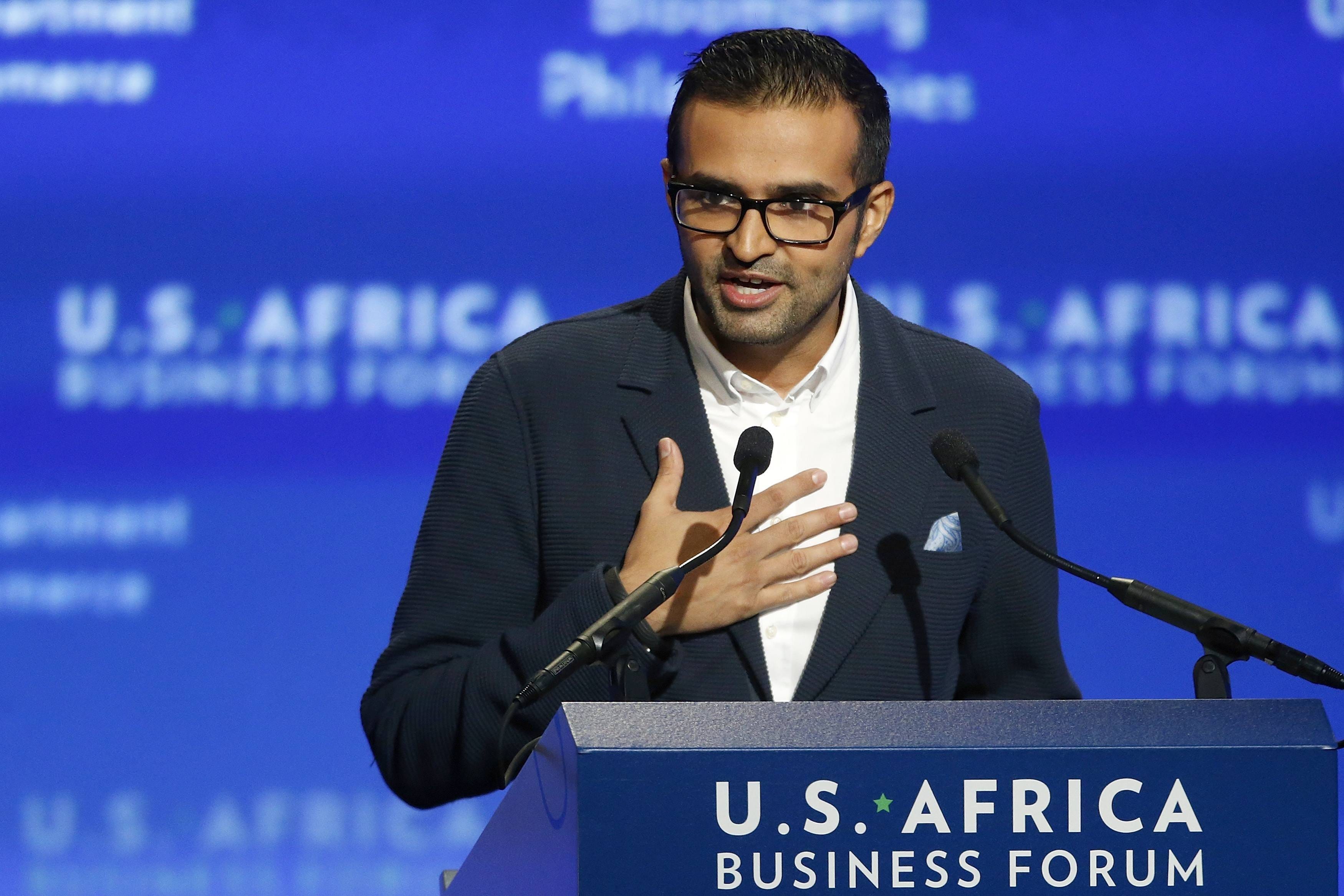
He launched Mara Phones in Rwanda in 2019, Africa’s first smartphone manufacturing plant on the continent. He was named a World Economic Forum Young Global Leader and made Fortune’s Top 40 Under 40. Started at 15. No degree. Built an empire. His dropout was born out of necessity, not philosophy, and that context matters.
07. David Salami — Polytope Labs / Hyperbridge
Seun’s co-founder deserves his own mention. David Salami also left formal education to go deep into blockchain research and mathematics.
Together, Salami and Lanlege worked as core developers on the Ethereum and Polkadot networks before building Hyperbridge at Polytope Labs.
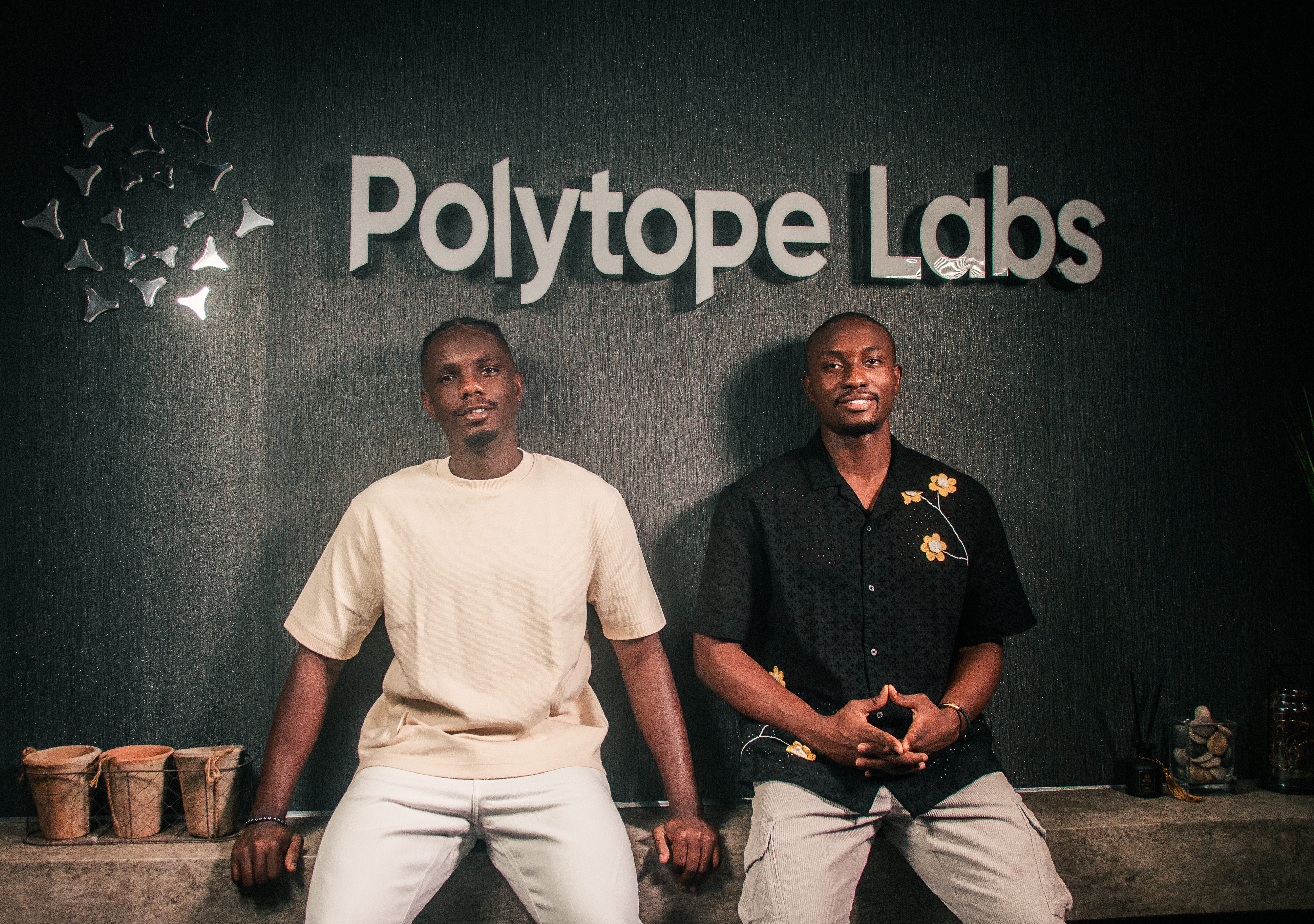
Between the two of them and 8 other people, they built global blockchain infrastructure that companies with 10x the funding have not been able to replicate. The research they did in the years between school and Polytope Labs was more rigorous than most postgraduate programmes. They just didn’t have a campus.
So what’s the actual lesson here?
Here is the one thing every person on this list has in common — and it’s not that they dropped out.
It’s that they replaced school with something harder.
Seun spent years grinding through open source code on Ethereum before he built Hyperbridge. Yele spent a year teaching himself design and development before he touched a startup. Silas started a company at 18 that failed before he built Catlog. Ashish was doing weekly trips to Dubai at 15 to import computer parts. Nathan walked away from a scholarship, not from laziness, but because he already had a product in motion.
Only 2% of Africa’s unicorn and growth-stage founders are dropouts. 90% have at least one degree. That statistic is not an argument against dropping out. It is an argument for being honest about the odds.

The people on this list didn’t beat those odds by accident. They beat them by working harder than the people who stayed in school, not easier.
If you’re thinking about leaving, the question isn’t whether to drop out. The question is: what exactly are you dropping out for? And is that thing demanding more from you than your degree was?
If the answer is yes, maybe the ceiling isn’t the classroom.