


Good morning. This one is different.
Our founder Semudara Abayomi sat down with Dotun Adekunle, CTO and COO of Opay, and one of the first people to ever work on mobile money in Nigeria, for a conversation that covers fifteen years of Nigerian fintech history from the inside.
Not the press release version. The real one.
And it starts in 2010, in a country that was not ready for any of it.
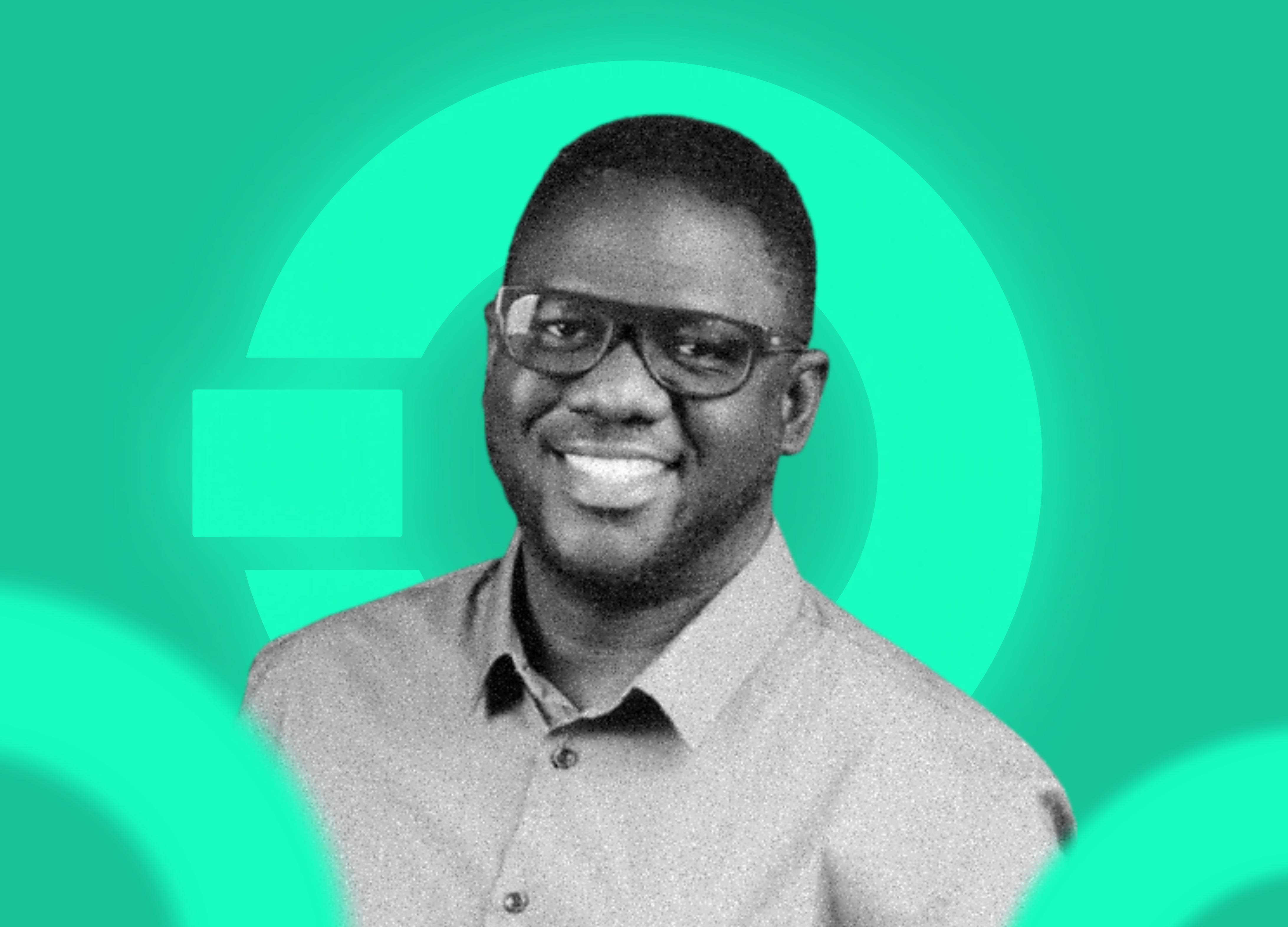
Before Opay, there was Paycom. And before Paycom, there was almost nothing.
When the Central Bank of Nigeria released its first draft frameworks for mobile money operations around 2010, it was inspired by what M-Pesa had done in Kenya. The CBN wanted that same transformation. The infrastructure to make it happen did not exist.
Dotun was the technical lead at a company called Telnet at the time. They quickly incubated a sub-company called Paycom and applied for a mobile money licence. What followed was a masterclass in building in impossible conditions.
Smartphones did not exist in Nigeria at meaningful scale. USSD, the same technology you use to check your bank balance today, was only being used for airtime top-ups. NIMs had just started.
The fiber infrastructure was so unreliable that when transactions began to fail because a cable somewhere had been cut, Dotun and his team would physically climb to the top of skyscrapers to reset radio routers just to keep the system running.
“It was really tough times because Nigeria was just not ready,” he said.
He remembers going into the Etisalat server rooms and working with their engineers to get the first USSD session running on the *957 shortcode. Something Nigerians now use without thinking twice. Someone had to sit in a server room in 2010 and make it work for the first time.
That is the part nobody tells you.
Then the CBN changed the rules. And everything fell apart.
By 2016, Paycom had grown, slowly, but meaningfully, alongside about four or five other mobile money players. Then the Central Bank decided that mobile money needed to be as stable as traditional banking, and raised the capitalization requirements significantly.
Paycom could not raise the funds. Dotun left.
He went to Venture Garden Group for a while. But then foreign investors came in to acquire Paycom, and they called Dotun back to pitch the architecture, the systems, the opportunity. He did. And when he finished, the investors told him something that changed everything: “We can’t start this without you.”
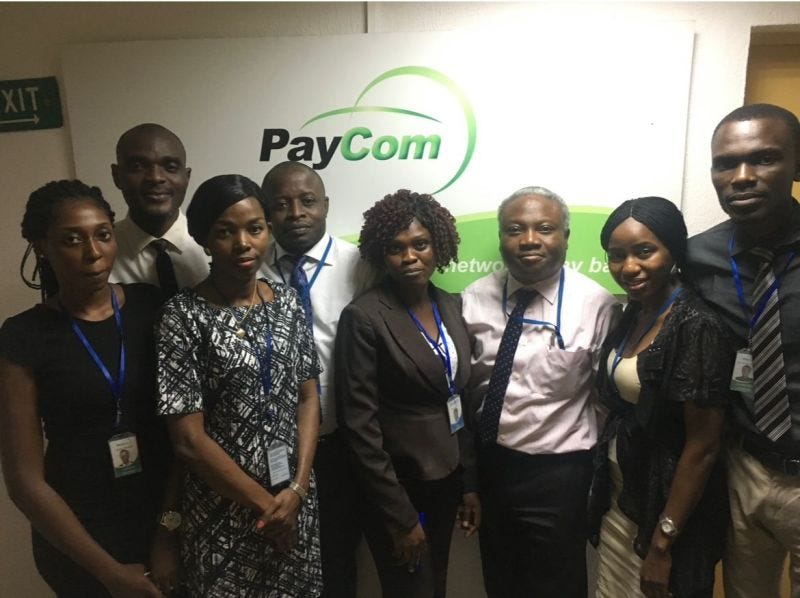
So he came back. And Paycom became Opera Pay. And Opera Pay became Opay.
The first year nobody believed in.
Opay had just launched in 2018. And by Dotun’s own account, the team was genuinely uncertain whether it would survive.
Customer acquisition was the problem. The numbers were not coming. So Opay did something that sounds strange now given where they are, they went into ride-hailing. OBike. Then OFood. OTrike. OCar. Oride. They tried everything. Every product was a Trojan horse, a way to get users into the ecosystem so they would have a reason to open the wallet.
“The end game for us was always to bring customers into the ecosystem and give them a reason to use our app,” Dotun said.
But then something happened that most startups never have the discipline to do. Opay looked at all the products they had launched, looked at where the real friction was, and made a call. Everything else got dumped. They came back to payments. Just payments. Solving the payment problem itself.
“Once we did that, we just saw that things began to go,” he said. “It was hard lessons, but we learned along the way.”
From one name in the database to 50 million users. That is what focus looks like at scale.
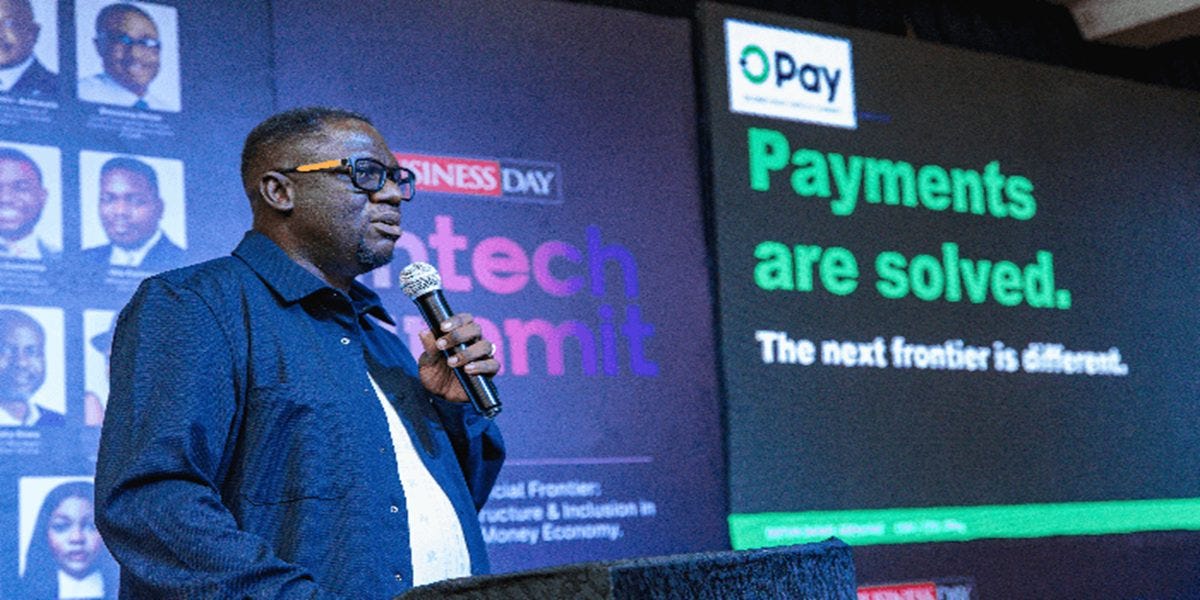
The intelligence nobody talks about
Here is the detail from this conversation that should make every Nigerian fintech founder sit up.
Opay processes over 100 million transactions every day. And that volume of data gives them something extraordinary, the ability to know, in real time, which bank is available, which card is failing, which payment switch is down, before you even try to send money.
Every 10 to 20 minutes, the transaction data tells them the health of the entire Nigerian payments ecosystem. When a bank starts responding slowly, Opay sees it in the data before you feel it on your screen. They can then tell you, don’t send that transfer right now, wait a few minutes.
They also have an intelligence team dedicated to researching Ponzi schemes. If you try to make a payment to an account flagged as part of a fraudulent operation, Opay’s system will fail the transaction. Automatically. Before your money leaves.
“Sitting on top of that data makes us quite powerful,” Dotun said. “It makes us able to serve the customer better and help them make very informed decisions.”
This is the part of fintech that does not get talked about enough. The unglamorous, deeply technical work of processing 100 million transactions daily, watching the data, and building intelligence layers on top of it that protect users in ways they never even notice.
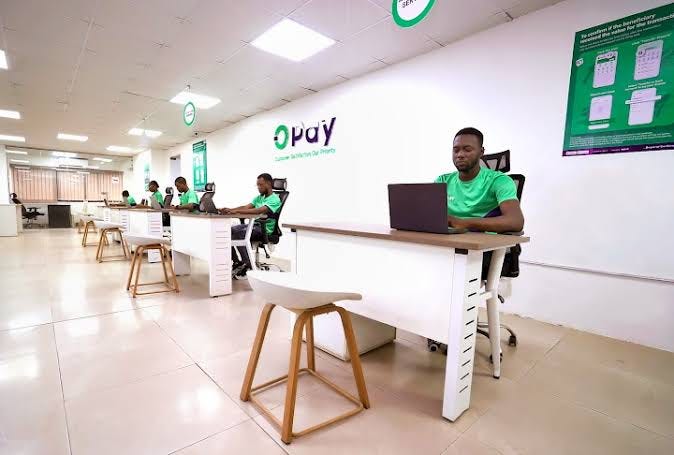
What this conversation is really about
Dotun Adekunle was climbing skyscrapers to reset routers when most people had never heard of mobile money. He watched an entire company collapse because of a regulatory change.
He came back, built it again from zero, watched it struggle through bikes and food delivery before it found its real identity, and stayed long enough to see it bec
ome one of Africa’s most used fintech platforms.
The lesson is not that Opay got lucky. The lesson is that fifteen years of unglamorous, technically demanding, often invisible work happened before any of the success that looks obvious in hindsight.
The founders building right now in Nigeria, the ones who are struggling with customer acquisition, pivoting too many times, wondering whether to stay or leave, Dotun’s story is for you.
He was the first name on the database. He is still there.
Bankole Mubarak · Head of Newsletter, in60 ·
Telling the stories that matter.
Thanks for putting together this enligthening read. It's getting clearer to me that business growth in Nigeria comes from sheer hustle for long periods. Sure you can look successful quickly, but it takes a lot longer to be stable. You also need strong technical competence in the server room as as well as in the management strategy session