

Ruth Okoli will be the first to tell you that leaving consulting was not a clean, confident decision.
She was not burned out. She was not bored. She was not sitting in a meeting fantasising about building a startup. She was working at one of her dream companies, doing well, growing, with a clear path ahead of her. And then Nestuge started pulling harder than she expected.
“When I finally left consulting, I was working at one of my dream companies,” she told in60. “So leaving was much harder.”

She stayed on both sides for a while, consulting by day, building Nestuge around the edges, until the weight of doing both things properly became impossible. She had to choose. She chose Nestuge. And then, like most founders who make that call, she held her breath and hoped.
“It was definitely a leap of faith. But one I felt I needed to take.”
That is the honest version of the origin story. Not a lightning bolt moment. Not a dramatic exit. Just a quiet, difficult decision made by someone who had something stable and chose something uncertain because she believed in what she was building.
The problem Nestuge was built to solve
Before Nestuge existed, the founders spent time watching how digital creators and knowledge sellers in Africa were actually running their businesses. What they saw was not inspiring.
A creator selling a course or a community membership could easily be running five to ten different tools simultaneously. Google Drive for content. WhatsApp for community management. Mailchimp for emails. Paystack or Stripe for payments.
A separate tool for scheduling. Another for customer communication. None of them talking to each other. All of them requiring manual work to hold together.
And when a sale happened, it rarely felt like a smooth transaction. The seller was manually confirming payments, individually adding customers to WhatsApp groups, sending materials one by one, answering the same questions repeatedly. As the customer base grew, the manual work grew proportionally, which meant a creator’s ability to scale was directly limited by how much repetitive admin they could personally handle.
“Imagine selling a digital product to hundreds or thousands of customers,” Ruth said. “You could be sharing account details, confirming payments, adding people individually to WhatsApp or Telegram groups, sending materials and answering the same questions repeatedly. The process was rigorous and monotonous.”
Nestuge was built to make that stop. An all-in-one platform where African creators can build, sell, manage and scale their digital businesses from one place, without the patchwork of disconnected tools and the manual work that comes with it.
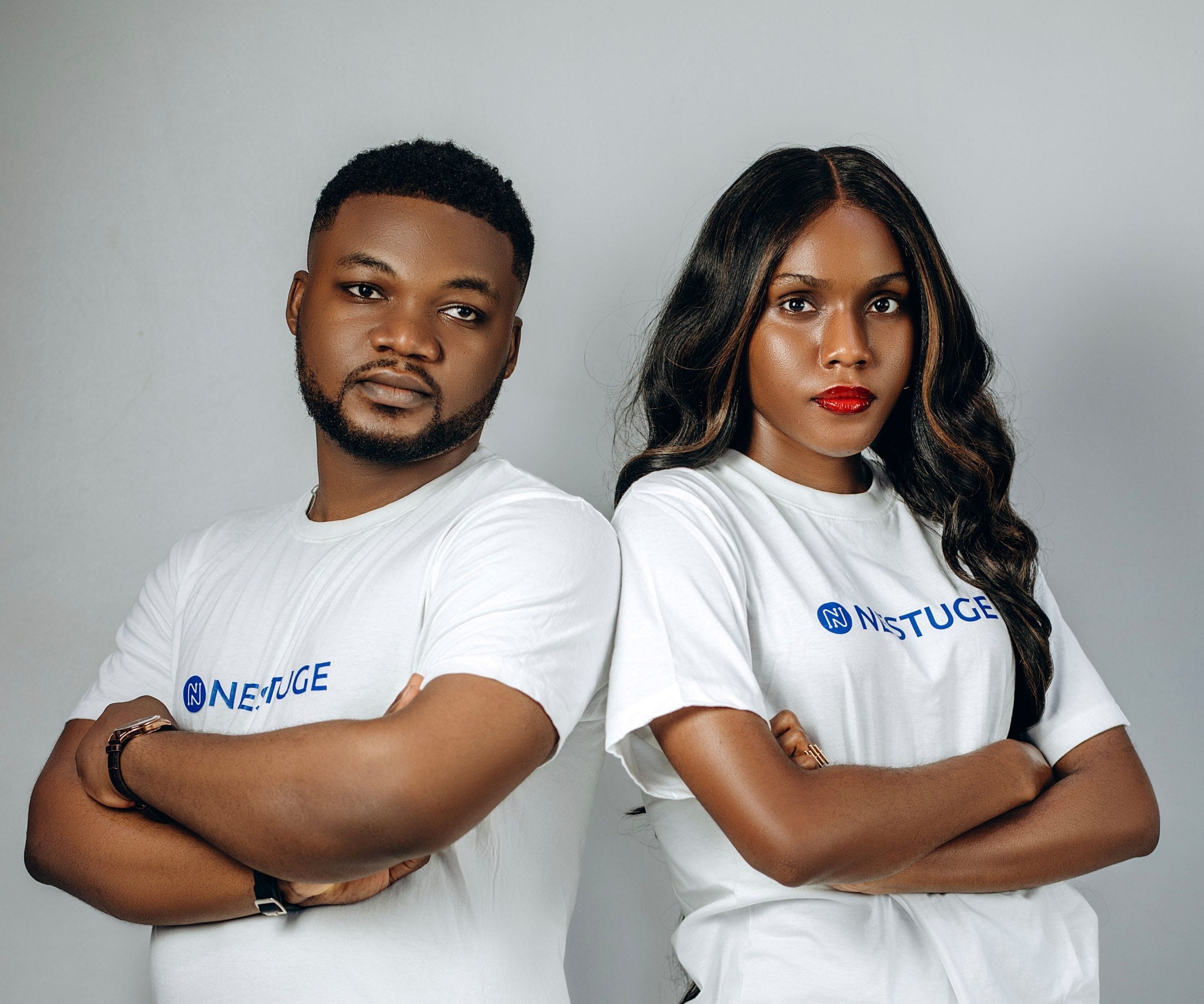
The early days were not glamorous. Ruth and the team spent enormous amounts of time doing cold calls, knocking on doors, sitting with creators and asking questions. Not pitching. Listening. Understanding exactly which parts of the process were most broken before writing a single line of code around solving them.
What bootstrapping actually taught her
Nestuge grew without the kind of funding story that gets written about. No big seed round. No press release announcing millions raised. Just the discipline of building with limited resources and the clarity that forces on you.
“Bootstrapping meant we had limited resources, so it forced us to find alternative ways to solve problems instead of simply throwing money at them,” Ruth said.
The constraint pushed the team to learn things they would have otherwise hired for. It made them careful about what they built and why. It kept them close to the question of whether the product was actually working, because there was no funding cushion to absorb the cost of building the wrong things.
Ruth is honest that more money earlier would have allowed faster movement. But she is equally clear that money without product-market fit is not an advantage.
“I have always believed that having more money doesn’t automatically mean you will have more paying customers. So our focus has consistently been on getting the product and messaging right and finding efficient ways to acquire customers.”
That discipline is visible in where Nestuge is today, serving thousands of creators and processing millions of naira in transactions, built on a foundation of genuine customer understanding rather than aggressive spend.
The difference between an audience and a business
Ruth spends a lot of time around creators and coaches trying to turn what they know into income. She has developed a clear view of what separates the ones who build something sustainable from the ones who plateau.
“Having an audience is one thing. Being able to consistently solve a problem for that audience and turn that value into a sustainable business is another.”
The infrastructure question is critical. A creator whose business requires their personal involvement in every single customer interaction has a ceiling they will hit quickly. The moment serving the next customer requires the same amount of personal time as serving the first one, growth becomes exhausting rather than rewarding.
This is what Nestuge Plus: the platform’s expanded suite of features, was built around. CRM tools. Automated customer journeys. Team collaboration. Ask Ella, the AI assistant embedded in the platform. These are not features for content creation. They are features for running a business that happens to be built around content.
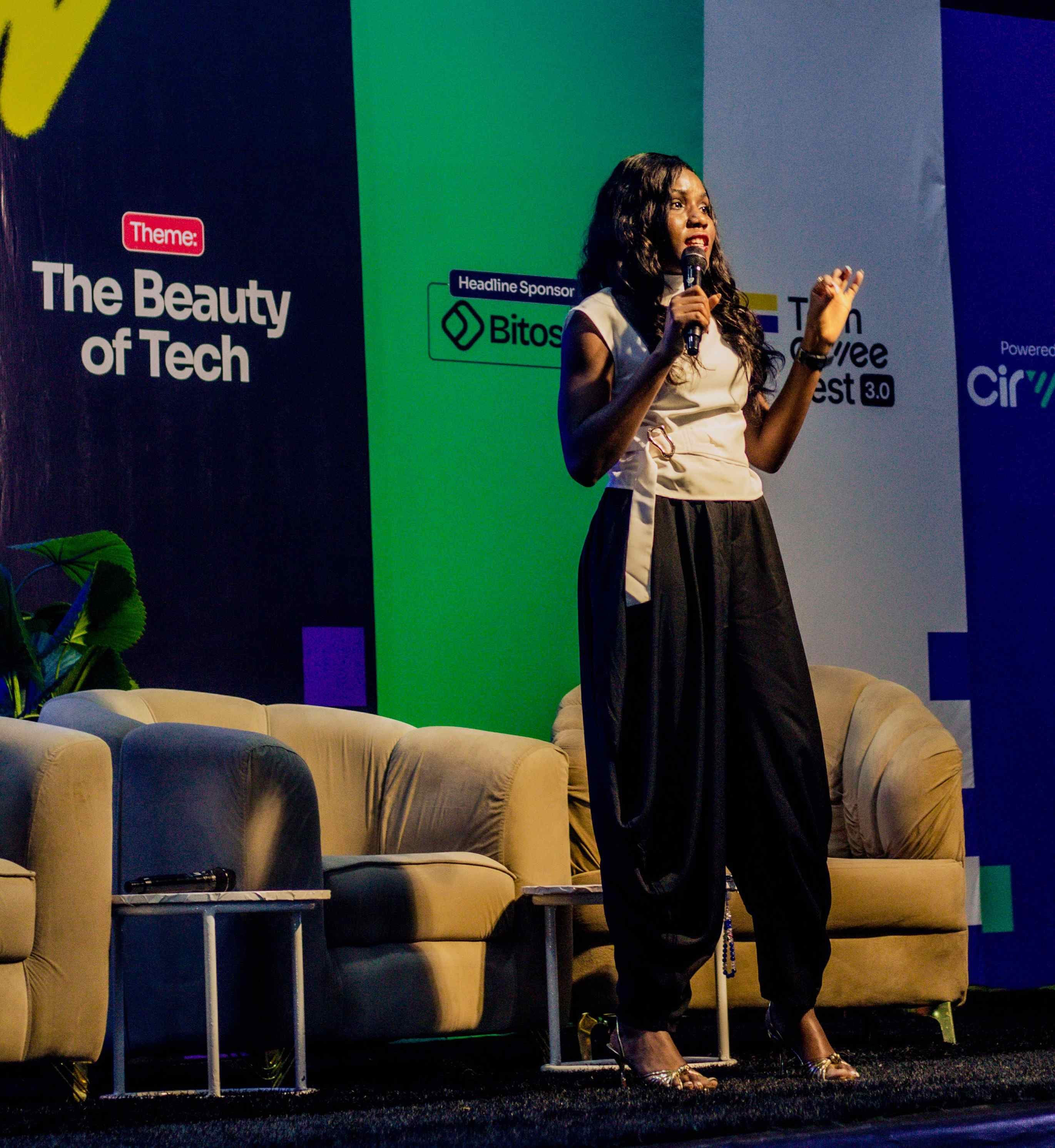
“We see creators on Nestuge as business owners and SMEs,” Ruth said. “So we are not just building for who they are today. We are building for who they can become.”
The requests from creators themselves drove this. Customers kept asking for better ways to manage relationships, automate processes, work with small teams, and understand their audience data. Nestuge listened and built.
Ruth’s view of where Africa’s creator economy is heading is specific: beyond influencers and content creators into a broader category of knowledge professionals, doctors, lawyers, engineers, consultants, who have expertise worth selling and are looking for infrastructure to turn that expertise into a business alongside their main careers.
The hardest moments
Ask any founder what the hardest part of building a company is, and most of them will give you the sanitised answer. Ruth did not.
“The hardest moments have been the periods where you are putting in a lot of work and the results are not immediately reflecting the effort.”
She described the particular difficulty of that experience for a founder, when the people depending on the company need you to show up and make decisions, and you are still privately processing whether the last decision you made was right.
“You don’t always have the luxury of sitting in that uncertainty for too long. You still have to show up, make decisions and keep the team moving.”
What those moments changed about how she leads is something she talks about with unusual honesty. She became more comfortable admitting she does not have the answer. More willing to bring the team into solving problems rather than carrying them alone.
More clear that leadership is not about performing confidence but about creating enough clarity for everyone around you to keep moving even when you are still figuring things out yourself.
Who Ruth Okoli actually is
At the end of the interview, we asked her to step outside every title, co-founder, head of marketing, Nestuge, and just describe who she is.
Her answer made us laugh and then made us think.
“Ruth is very curious. She is always learning, always asking questions; this one stresses my co-founder out, and usually looking for something new to figure out.”
She is competitive. Hyper-focused on outcomes. Someone who, once she decides something is worth doing, becomes very determined to make it work.
And she is someone who does not like being told what she is supposed to become.
“I don’t like feeling limited by what I’m ‘supposed’ to do or what a particular path says I can become.”
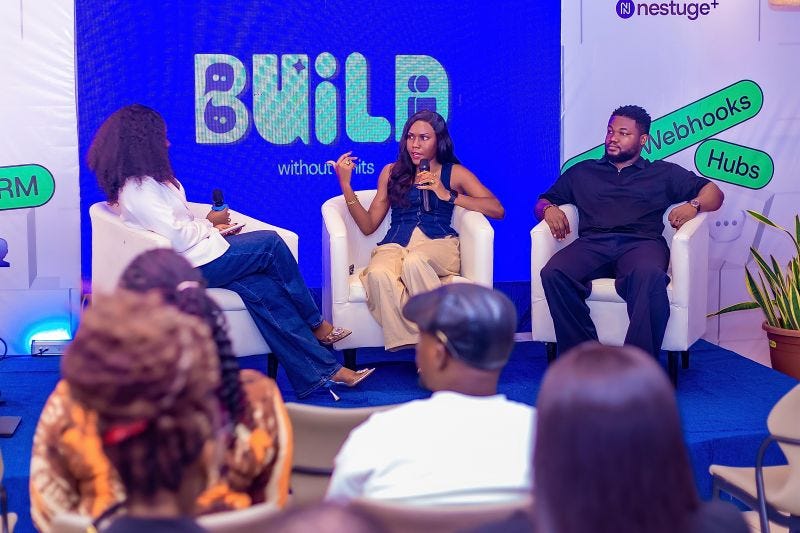
Strip away everything Nestuge has built and what you are left with is someone who will find the next difficult, demanding, slightly unreasonable thing and decide to build it anyway, just to see how far it goes.
That is probably the most important thing this journey has revealed about her. Not that she can build a company. But that she genuinely enjoys the building itself.