For millions of Africans working with international clients, getting paid is only half the problem. A Nigerian freelancer might receive dollars from an American client, convert some to naira for household expenses, pay for software subscriptions in foreign currency and save for a future investment. Each task can involve a different financial service.

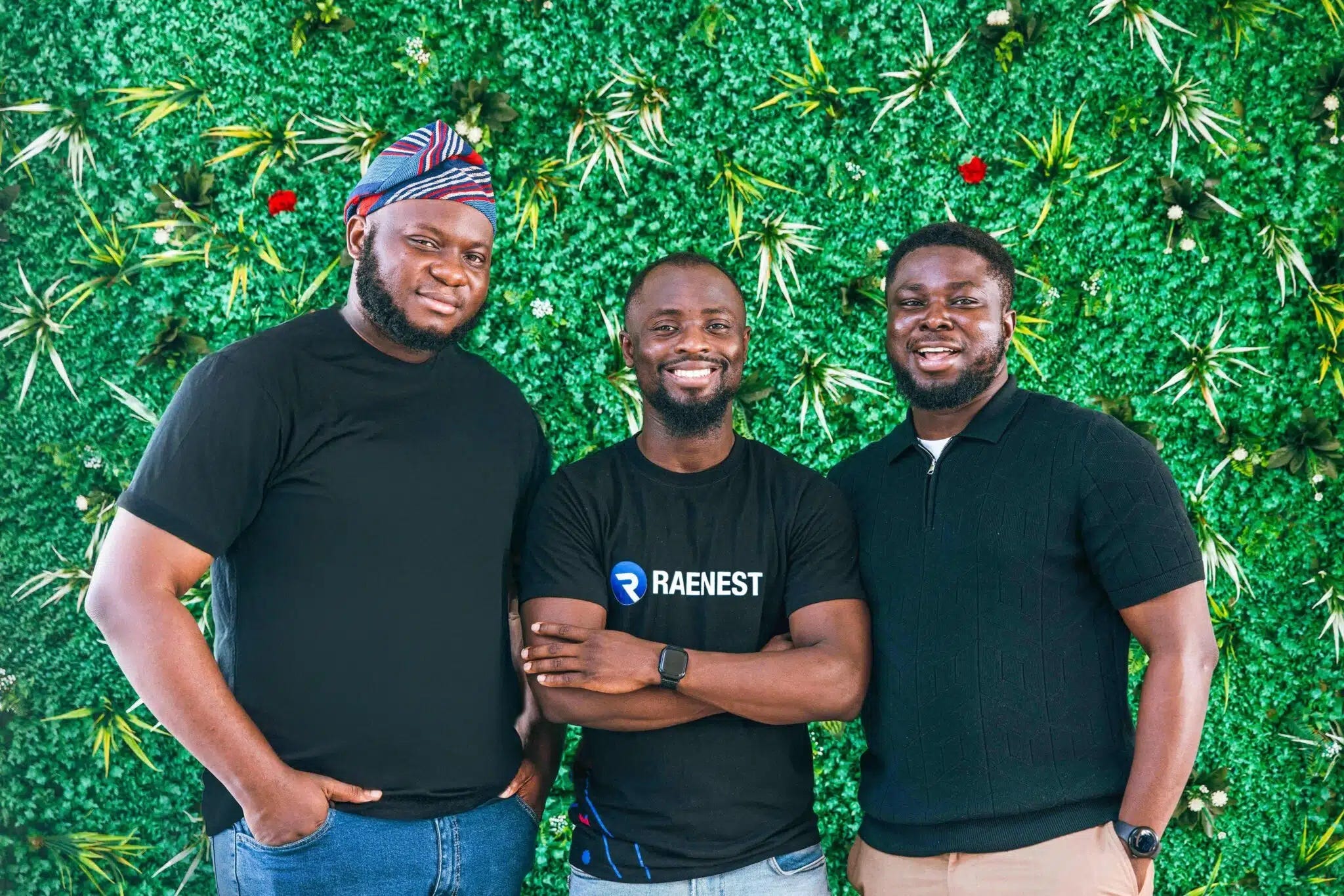
Richard Oyome believes this fragmentation is one of the biggest problems African fintech still needs to solve. At Raenest, the company he co-founded and now serves as chief operating officer, he wants to make managing money across borders feel less like navigating several disconnected platforms.
The idea draws on years of experience across different corners of financial technology. Before Raenest, Oyome worked in growth at LemFi, lending at FairMoney, agent banking and payments at OPay, and cryptocurrency at Jostpay. Each role exposed him to a different part of the financial system, but also to the limits customers faced when trying to access it.
“At OPay, I saw how technology could make everyday financial services accessible to millions of people. At FairMoney, I learnt how important access to credit and liquidity is. At LemFi, I saw firsthand how difficult and expensive moving money across borders could be,” he said.
One problem kept resurfacing: financial services were designed around where people lived rather than how they earned, worked or did business.
“You could be a Nigerian freelancer working for an American company, earning in dollars, paying for software in pounds, and supporting family in naira. Yet managing those simple activities could require three or four different platforms,” Oyome explained.
That experience helped shape Raenest’s ambition to build financial infrastructure that lets people earn, hold, spend, send and grow their money globally.
The company says it has surpassed 1.5 million registered customers and processed approximately $3 billion in transactions. But growth brings its own complications, particularly when a financial product depends on banking partners, compliance systems, liquidity and settlement infrastructure operating across jurisdictions.
Oyome describes the challenge as scaling reliability at the same pace as growth. A transfer that takes seconds for a customer may depend on several institutions and internal systems working together. When something fails, customers still hold Raenest responsible.
“Growth is not just about acquiring more customers. It’s about building an organisation that can consistently deliver on the promises made to those customers,” he said.
Seven new Raenest products, one bigger ambition
At Raenest Exchange 2026, the company unveiled seven major product capabilities designed to help customers do more than receive international payments.
The announcements included NGN Yield, which Raenest says allows customers to earn up to 16% annually on eligible naira balances, and USD Yield, offering up to 7% annually on dollars. The company also expanded its stablecoin yield offering, with up to 7% APY on supported stablecoins, and introduced separate savings vaults for financial goals.
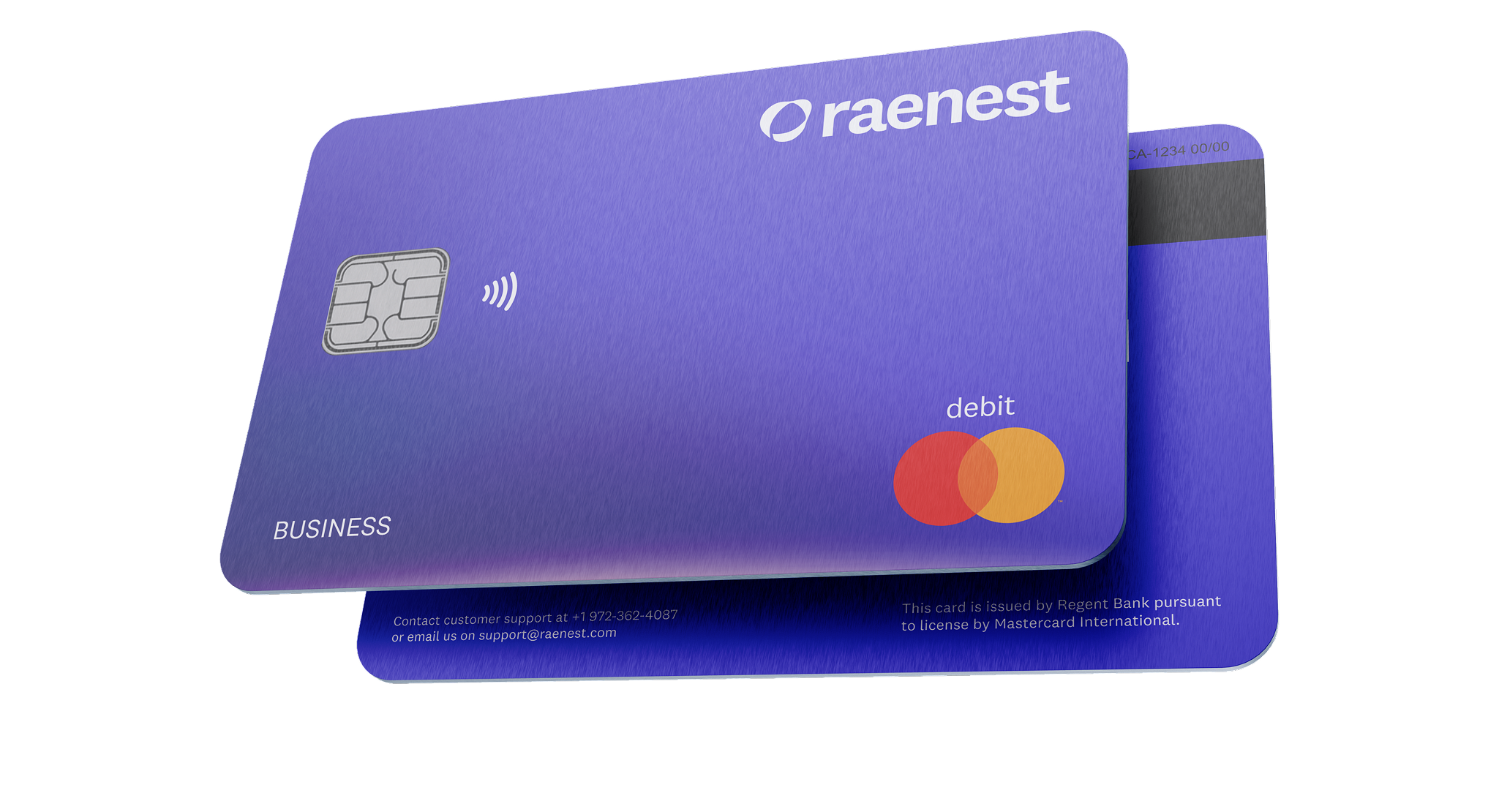
For customers who spend internationally, Raenest expanded its virtual card offering to allow up to four cards, including a prepaid option and a standard card that spends from available balances across supported currencies. It also launched a physical USD card for international payments, supported ATM withdrawals and contactless payments through Apple Pay and Google Pay.

The remaining announcements focused on receiving money and funding accounts. Freelancers and businesses can now accept card payments through invoices and payment links, while customers can fund Raenest using Bitcoin, Ethereum and Solana.
Together, the launches point to a broader ambition: keeping more of a customer’s financial activities within one platform. Rather than treating payments, savings, cards and digital assets as isolated products, Raenest wants them to work together around the way people actually manage their money.
“For me, the most exciting part isn’t any single launch. It’s how these products work together,” Oyome said. “Someone can receive money, hold it in their preferred currency, earn on it, spend with a card, invest, or transfer it internationally, all within one ecosystem.”
The problem doesn’t end when the money arrives
The company is also trying to remove friction from existing services. Oyome highlighted FastTrack for Upwork payouts, which he said can deliver eligible freelance earnings to a customer’s Raenest USD wallet in under 60 minutes, including weekends and public holidays.
For freelancers who depend on international income, faster access can mean less time waiting to pay bills or fund business expenses. It is an example of the problem Raenest increasingly wants to solve: not simply how people receive money, but how quickly and easily they can use it.
Still, expanding the product suite is only part of the challenge. Fintech features can be copied, and competitors can match pricing. Oyome believes consistency and trust will matter more over time.
“Features can be copied. Pricing can be matched. Even product experiences can eventually look similar,” he said. “But consistently delivering reliable financial services, especially across multiple markets, is much harder to replicate.”
Building beyond the next transfer
Over the next year, Raenest plans to improve access to international earnings, expand its global payment capabilities and make holding and growing money across currencies more useful. It also wants to make digital assets such as stablecoins more practical for everyday financial activities.
Oyome’s long-term ambition extends beyond Africa to other emerging markets where people participate in the global economy but cannot always access financial services that match how they earn.
For him, the opportunity is to close the gap between earning money globally and having the freedom to manage it. Raenest’s next phase will depend on whether it can turn that ambition into a reliable everyday experience for the people using it.