


Buying something online from someone you have never met usually comes down to one uncomfortable question: Can I trust this person with my money?
For buyers, the fear is simple. You could pay and never receive what you ordered. For sellers, there is another side to the problem. A customer can promise to buy something, make the seller spend money or commit resources, and then change their mind.
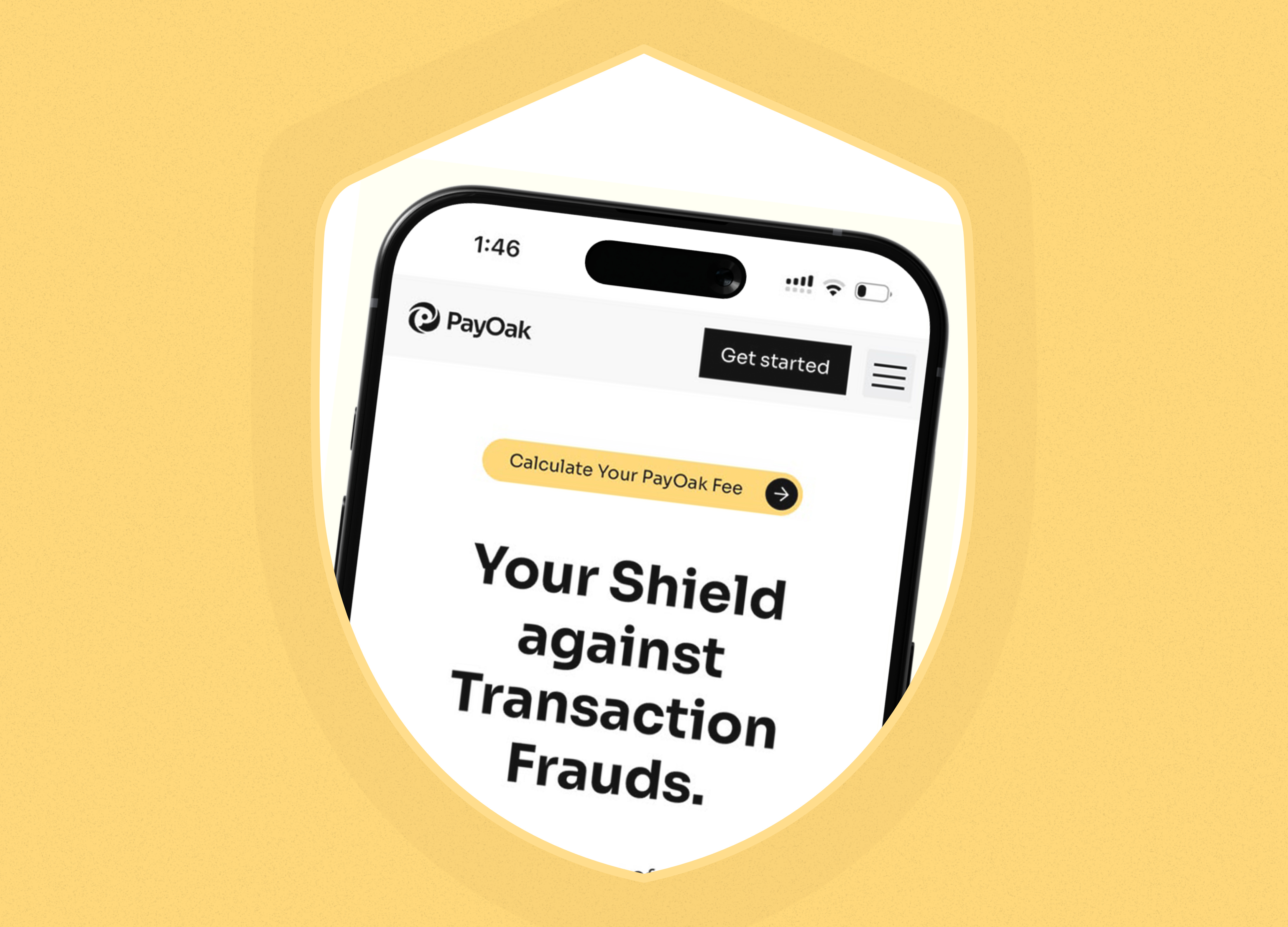
That was the problem Nifemi Famuyiwa, Emmanuel Ojoawo and Stephen Olatunji experienced before they started PayOak.
The three founders met at Obafemi Awolowo University, where they all studied Geology and became close friends. After university, they went into different professional paths before eventually coming together again in technology.
Nifemi and Emmanuel had previously started Glammac Collections, an e-commerce business that sold and dropshipped fashion items from China to customers in Nigeria. It was while running the business that they experienced the trust problem from both sides of a transaction.
Some customers wanted products but were uncomfortable paying upfront to a business they did not know. On the other hand, the founders sometimes committed resources to orders based on customer interest, only for those customers to change their minds later.
That experience eventually led to PayOak.
“We kept thinking about whether there was a way to structure the transaction so that both sides could have some protection and confidence that the other party would fulfil their part of the agreement,” the founders said.
Turning trust into a transaction layer
PayOak is like a trusted friend who provides you with a layer of protection when you are buying or selling things online. Here’s how it works::
1. You and the other person agree: You both hash out the details, what's being sold, how much, and any other important stuff.
2. Money goes to PayOak: Instead of sending money directly to the seller, the buyer sends it through PayOak. PayOak acts as an intermediary and holds the money securely in an account called “escrow”, where it is protected by their licensed financial partner.
3. Seller does their part: The seller then delivers the item or service just like you agreed.
4. Buyer gives the thumbs up: Once you're happy with everything, you let PayOak know.
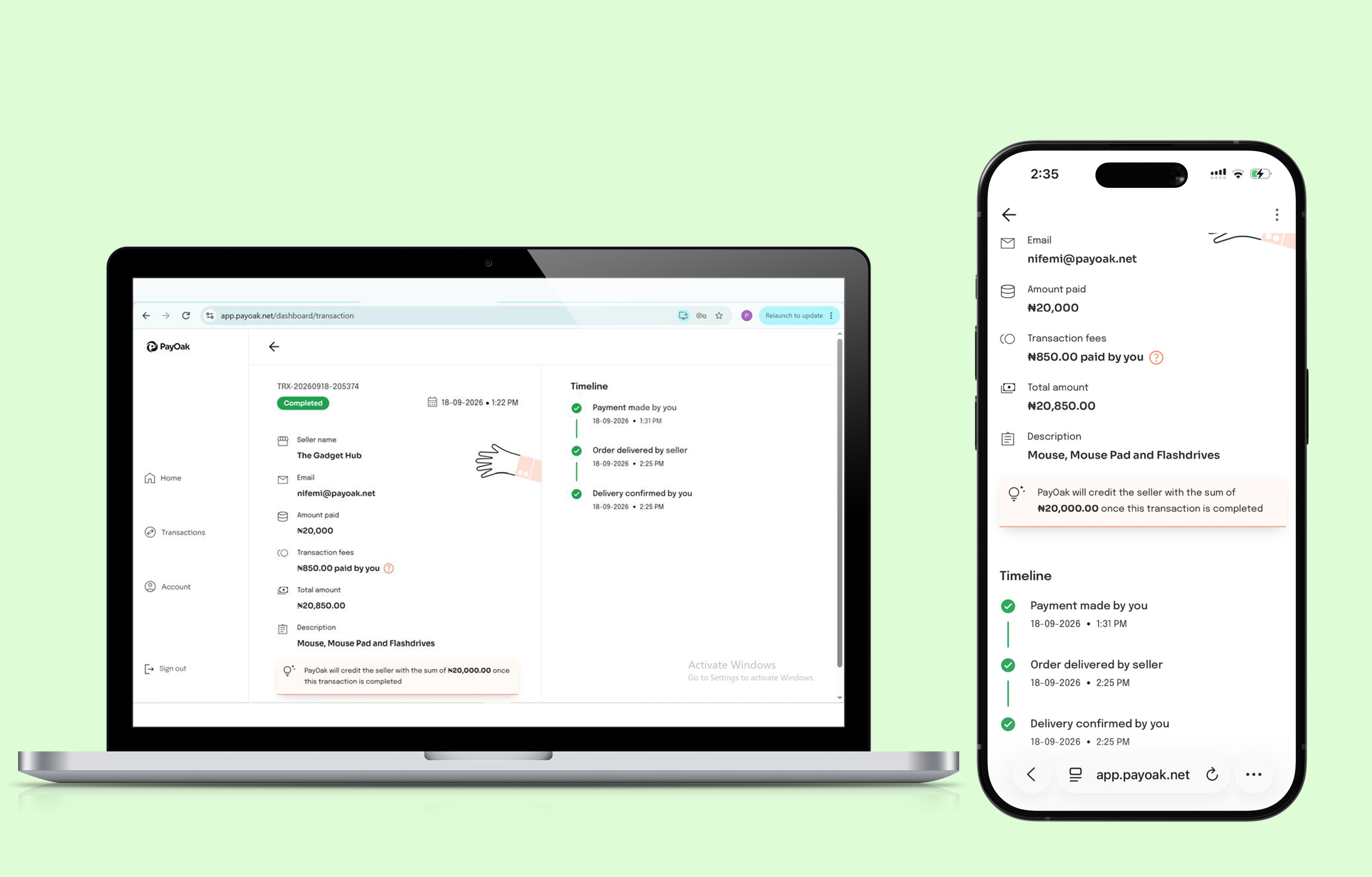
5. PayOak sends the money: Only then does PayOak release the money from that safe account to the seller.
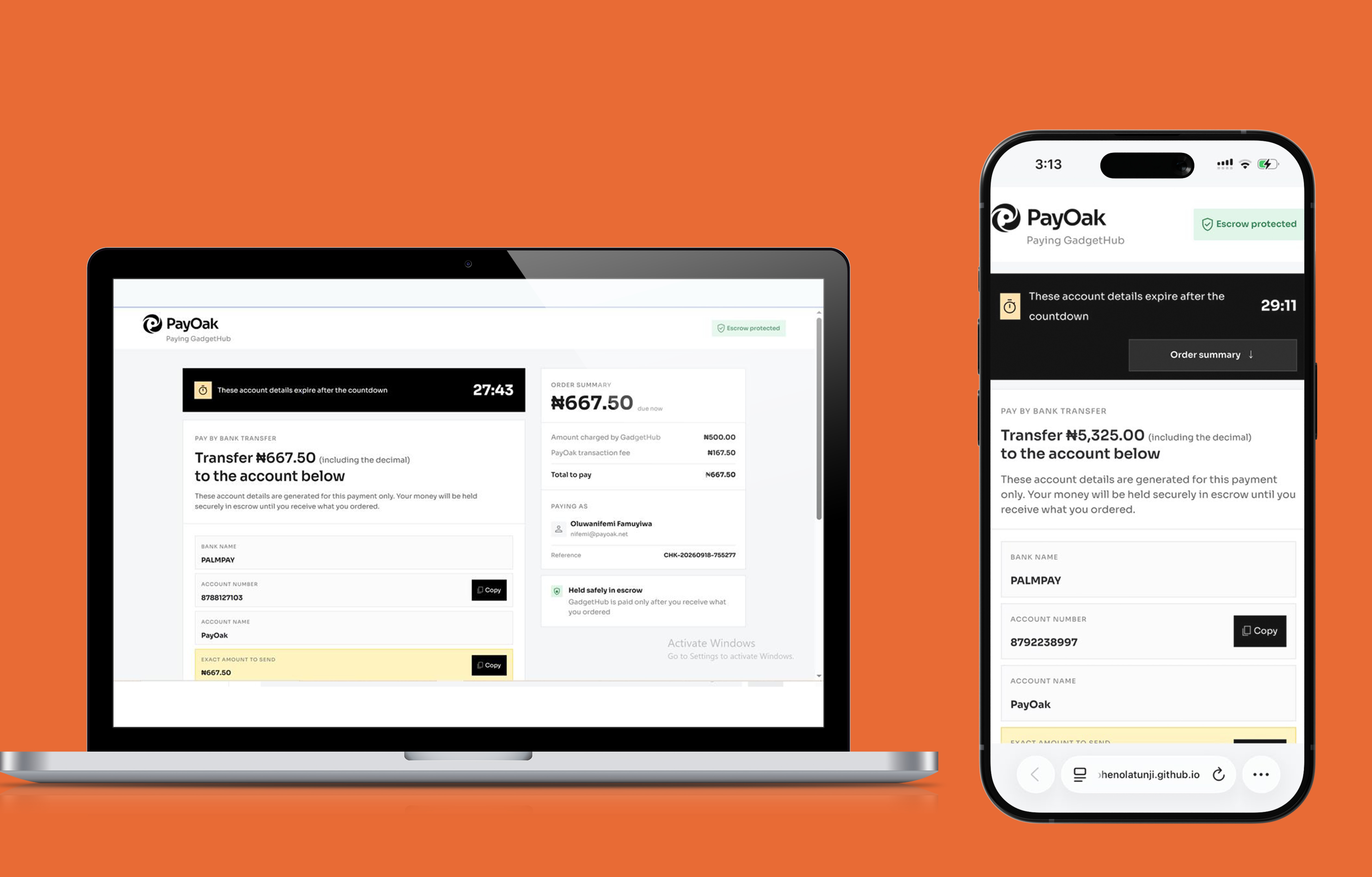
If something's not right, maybe the seller didn't deliver, or what you got isn't what you expected, both you and the other person can tell PayOak. You can show them proof, and if you can't figure it out yourselves, PayOak’s compliance team will step in, look at everything, and determine the appropriate outcome.
Why is this a good idea?
PayOak helps everyone feel more secure. It means you don't have to just cross your fingers and hope for the best when you're dealing with someone new online. It's not about judging people; it's about making sure both sides are protected.
You can still find cool stuff on Instagram or chat with sellers on WhatsApp. PayOak just takes care of the payment part, adding an extra layer of safety.
PayOak charges a small fee for each transaction. Usually, the buyer covers this, but sometimes the buyer and seller agree that the seller will. The fee depends on how much the transaction is for. You don't pay anything just to have an account with PayOak.
From physical products to digital services
PayOak launched publicly in March 2026 and had reached 1,661 registered users by September 17, including 152 business accounts. The platform had also facilitated approximately 100 completed transactions.
The early users have already pushed the company beyond some of its original assumptions.
The founders initially expected PayOak to be used mainly for physical products, but users have also used the platform for services. One user, for example, has repeatedly used PayOak to sell Google Pro subscriptions.
Businesses have also asked to integrate PayOak directly into their own platforms, leading the company to release an API that allows businesses and digital platforms to plug its transaction infrastructure into their own workflows.
That API could become an important part of where PayOak is going next. The company does not want to remain simply a place where people go to use escrow.
Its longer-term ambition is to become infrastructure that businesses, marketplaces and digital commerce platforms can build into their own checkout and payment experiences.
Three friends building around different strengths
The three founders bring different skills to the company.
Nifemi Famuyiwa, Co-founder, Product & Business, has more than six years of experience across product and analytics roles in e-commerce, IT solutions and facilities management. He studied Geology at Obafemi Awolowo University and holds a Master’s in Information and Communication Technology from Anglia Ruskin University. At PayOak, he works across product strategy, business development and operations.
Emmanuel Ojoawo, Co-founder, Product & UX, is a product designer and design leader with more than seven years of experience across fintech, enterprise software, logistics and digital commerce. He has also led product design initiatives for the African technology division of a multinational consumer goods company. At PayOak, he leads the design of the customer experience.
Stephen Olatunji, Co-founder and CTO, has about eight years of experience building digital products and leading technology initiatives. Before PayOak, he worked in a senior technology role at a multinational organization, leading technology deployments across several African markets. He now leads PayOak’s technology and product development.
Together, they are trying to solve a problem that extends beyond Nigeria.
As more commerce moves online, buyers and sellers will increasingly transact with people and businesses they have never met. PayOak believes the transaction itself can provide some of the confidence that previously came from personal relationships, recommendations, or simply taking a chance.
For now, the company is focused on Nigeria, improving the product and turning its early user interest into more consistent transactions. But the bigger ambition is clear: make it easier for people to do business with people they do not already know, without requiring trust to exist before the transaction begins.

PayOak’s current product includes its escrow experience, payment links and checkout, with its newly released API opening the door for businesses and platforms to build the trust layer directly into their own transactions.
Great product