


The first thing you should know about Nur Khalil is that he asked himself the question most people never say out loud.
Why do you still choose to live in Nigeria?
He brought it up himself, as the question he has always wished someone would ask him. And his answer does not have the rehearsed quality of a founder sound bite. It sounds like something he has said to himself, quietly, more than once.
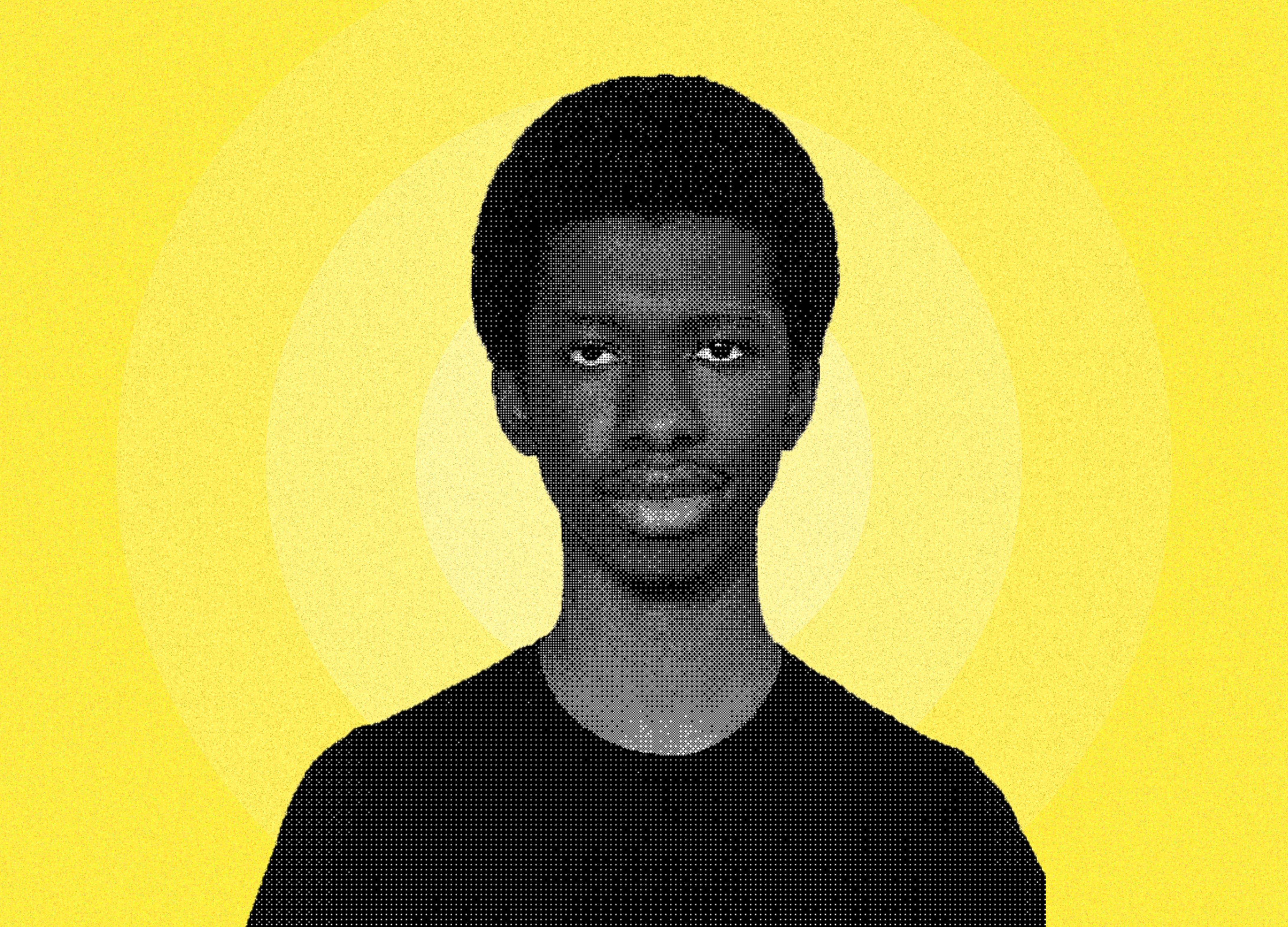
“I want to be part of the solution and let the youth know that there is hope. Those who don’t want change and prefer the status quo are banking on those who do to give up. We must fix Nigeria, and ultimately Africa, from within.”
That sentence is the whole context for everything Nur does at Btrust. Understanding it makes the rest of the story land differently.
Btrust is a Bitcoin developer fund, one of the few organisations in the world specifically dedicated to finding, funding, and developing open-source Bitcoin contributors.
It was seeded with 500 BTC by Jack Dorsey and Jay-Z in 2021, worth approximately $21–24 million at the time, handed over to a board of African and Global South trustees to run with full autonomy, and built around a belief that is still considered radical in most parts of the tech world: that the people closest to the problems should lead the development of the solutions.
Earlier this year, Btrust completed a governance transition. The inaugural board was replaced by a new three-person board consisting of Janet Maingi from Kenya, Bruno Garcia from Brazil, and Laurence Aderemi from Nigeria.
Nur stepped down from the board and was appointed full-time CEO, a role he had already been leading in an interim capacity, reporting directly to the new directors on a three-year term, renewable once.
But before Btrust, before any of this, he was just a Nigerian developer who got pulled into Bitcoin the way most people get pulled into things that change their lives, not through a grand plan, but through genuine curiosity about how something worked.
“The appeal for me was the technology behind Bitcoin,” he said, “and that I could contribute to this global project from all the way here in Nigeria.”
That last part, from all the way here in Nigeria, carries more weight than it might seem. For a long time, the unspoken assumption in global open-source development was that meaningful contributions came from certain places. Certain universities. Certain cities. Certain time zones. Nigeria was not usually in that picture. Nur showed up anyway.
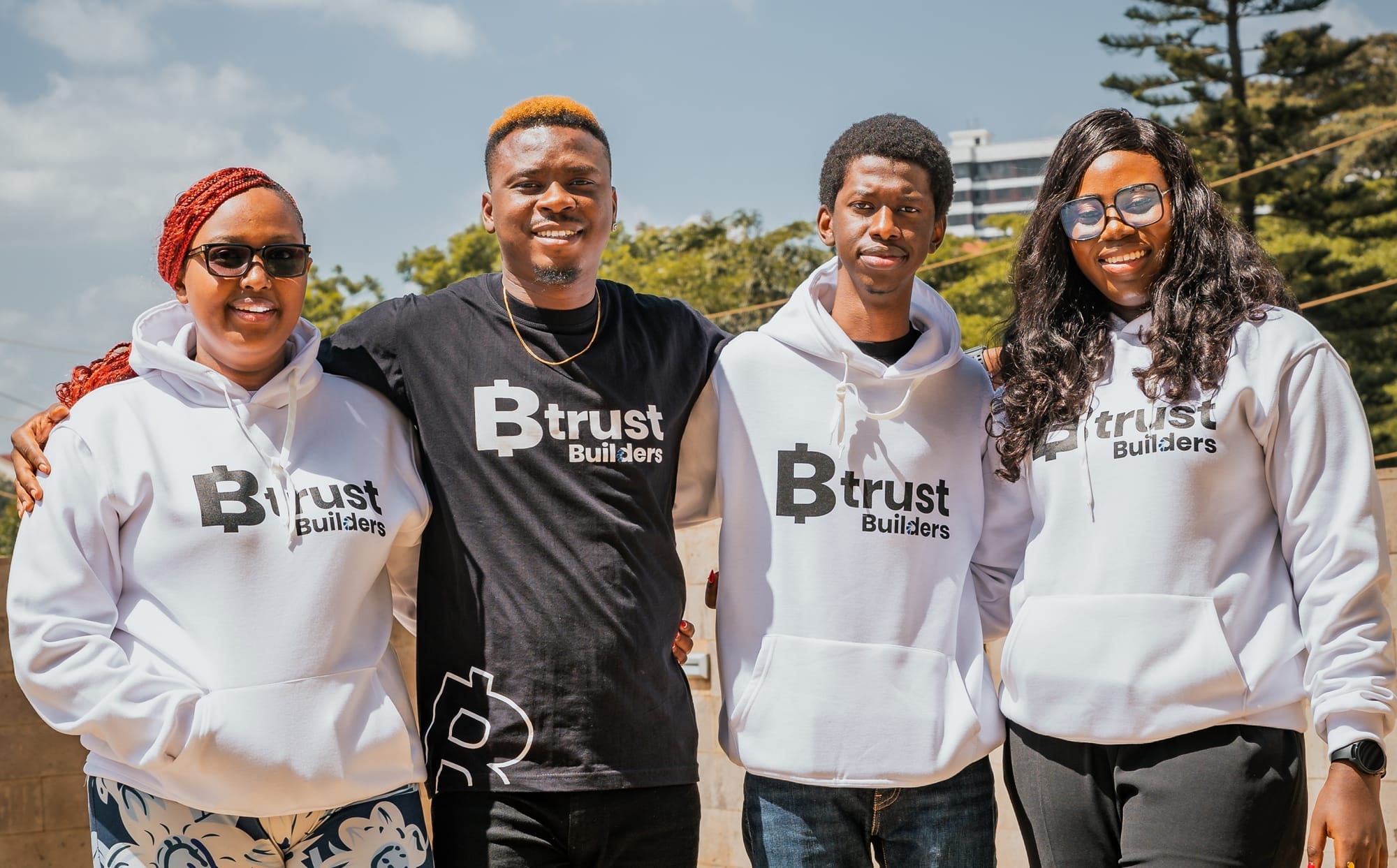
The moment it stopped being purely intellectual and became something more personal happened in 2020.
He exchanged some bitcoin from his phone and received physical cash outside Nigeria. That was it. No dramatic crisis. No lightning bolt from the sky. Just a transaction that worked, cleanly, directly, without the friction and gatekeeping that characterizes almost every other way money moves across borders for Nigerians.
“That was the moment,” he put simply.
It is the kind of story that lands differently depending on who you are. If you have never had a bank decline your international card, or waited weeks for a wire transfer to clear, or been told your country is too high-risk for a particular financial service, you might hear it as small. If you have, you know exactly what that moment means.
Nur has an opinion about the crypto industry that most people inside it would rather not hear.
He did not give a polished version of it, he kept it in his drafts, the answer left blank in the questions I sent him. But his public positions point clearly in one direction: that too much of what calls itself crypto is noise dressed up as innovation, and that Bitcoin, the actual technology underneath it all, deserves more serious attention from serious developers than it typically gets.
In a world where every developer conversation gets pulled toward AI right now, Nur’s answer to why Bitcoin still matters is not a long argument. It is a posture. Open-source. Permissionless. Global. Built for exactly the kind of person who needs financial infrastructure the most and has historically been denied access to it.
That person, more often than not, lives somewhere like Nigeria.
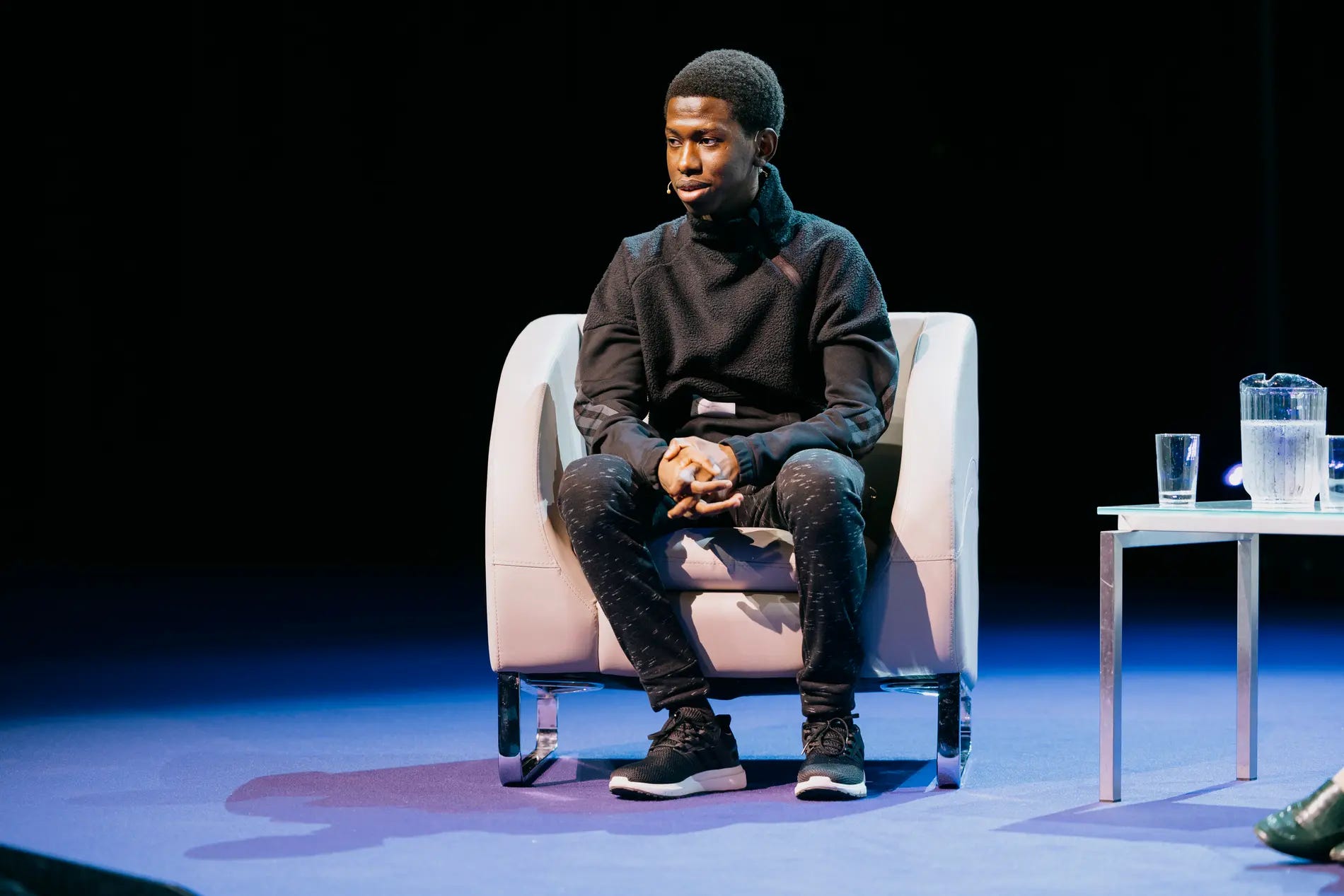
The thing Nur wants to change about how Africa develops engineering talent cuts right to the core of a conversation the continent is slowly starting to have more honestly.
“Move away from the mindset that our developers are just cheap high-quality dev labor,” he said, “to necessary talent that’ll lead global development efforts, especially in open source. We’re often closest to the problems and should help set the direction for the solutions.”
That is a sharp distinction. Cheap high-quality labor means you build what someone else designed, faster and for less. Necessary talent means you are in the room where the problem is being defined, where the architecture decisions get made, where the direction gets set.
The gap between those two things is not just economic. It is about who gets to shape what the technology becomes.
Btrust is operating from the second position. Funding Nigerian and African Bitcoin developers not to be faster, cheaper contributors to someone else’s roadmap, but to be leaders of their own.
Nur Khalil still lives in Nigeria. Not because he has to. Because he decided to.
The people who prefer the status quo are counting on the people who want something different to eventually give up, to leave, to disengage, to decide the problem is too big and the progress too slow. Nur has looked at that bet and refused to take the other side of it.
There is something in that refusal that feels more radical than any funding announcement or product launch. It is a daily, deliberate choice to be part of something that is not finished yet. To stay in a place that is hard to build in and build anyway.
To show the younger developers watching that it is possible, not easy, but possible, to contribute to something global from right here.
That is what Btrust is funding. And that is what Nur Khalil is building toward, not just a better Bitcoin ecosystem, but proof that the people who should be leading it have always been here.