

Before Joshua Firima could get his artificial intelligence voice agent making calls, he had to solve a problem that had little to do with AI.
He spent four months finding a telecommunications partner and completing the know-your-customer (KYC) checks required to obtain a phone number. Connecting that number to the AI agent took another month.
The technology was ready. The phone line was not.

For a founder building AI products, five months spent navigating telecom partnerships and compliance was a costly detour. But for Firima, it revealed a business opportunity hiding beneath the excitement around artificial intelligence: making it easier for companies to connect AI voice agents to real telephone networks.
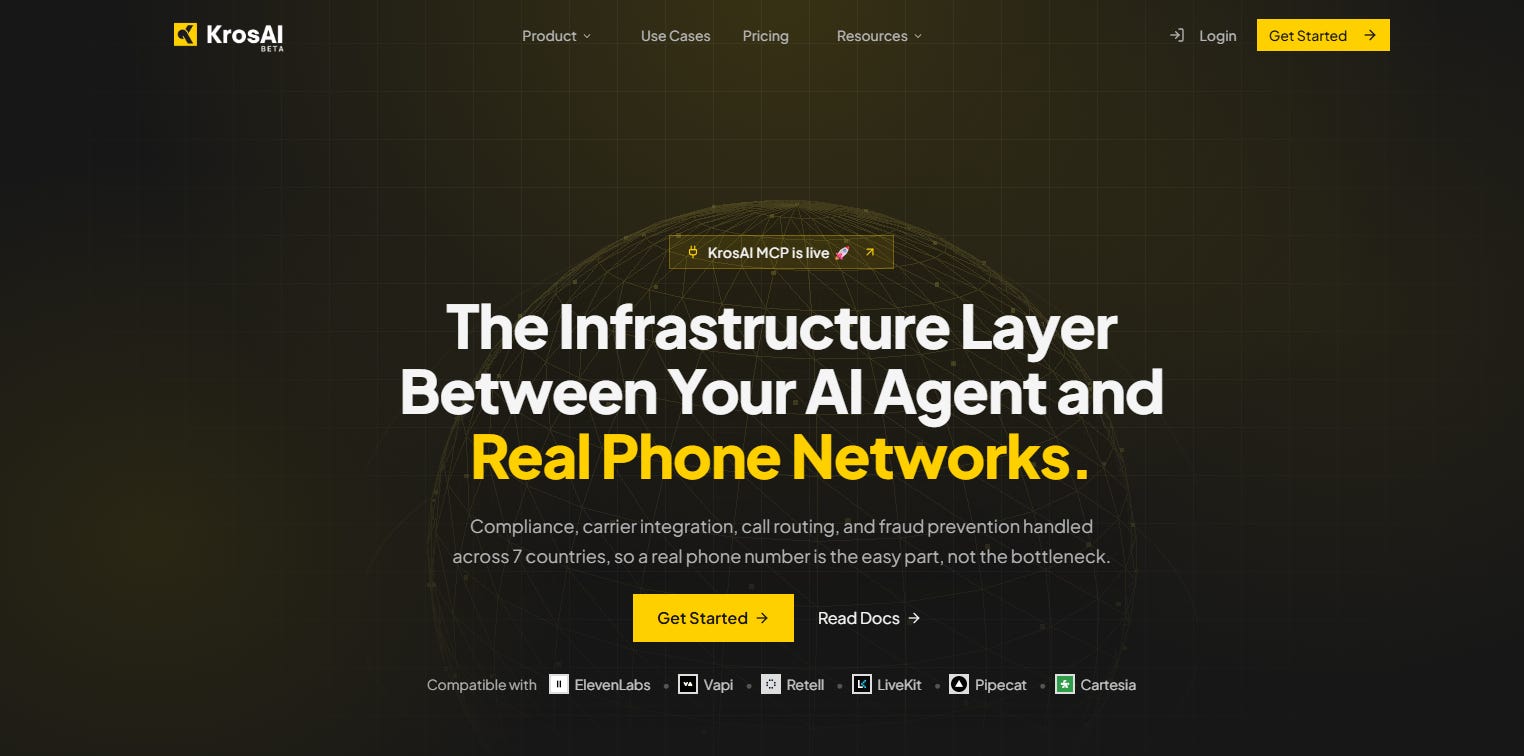
That experience eventually led him to build KrosAI, a platform that provides the telecommunications infrastructure businesses need to deploy AI voice agents in different markets.
Rather than requiring every developer to negotiate with telecom operators, navigate local identity checks and figure out call routing independently, KrosAI handles those parts of the process.
“I started a new company and decided to focus only on that: making it fast and compliant for an AI voice agent to get a real phone number at scale,” Firima told in60.
The idea is straightforward, but the problem it addresses could become more important as businesses move beyond AI chatbots and begin using voice agents to speak directly with customers.
A company may have an AI agent capable of answering questions, following scripts, and handling customer requests. Yet, without access to a working telephone number and the infrastructure to route calls, that agent cannot reach customers through ordinary phone networks.
KrosAI wants to provide that missing connection.
Building for businesses others overlook
Joshua is not new to building products around problems that established platforms do not adequately solve.
He began his entrepreneurial journey at 16 as a Jumia JForce agent, working on the ground before moving into software. He later built DFYHero, a drag-and-drop website builder that attracted more than 4,000 users before being acquired within a year.
His next venture, MoosbuOS, was a platform for small businesses that served more than 1,000 businesses and recorded over $240,000 in sales within 15 months. Firima is also a fellow of the MARL Accelerator.
The ventures differed in their products, but they shared a focus on helping businesses access tools they might otherwise struggle to build or use.
KrosAI follows that pattern, although its customers are now building on top of artificial intelligence rather than simply creating websites or running small businesses.
The company’s origin also reflects a difficult lesson about the gap between building software and making it work in the real world.
Joshua’s first attempt at the business was a different product, which the team eventually shut down. He started a new company with a narrower focus: the telecommunications layer that connects AI voice agents to phone networks.
“The hard lesson was that telecom is built on relationships and compliance more than on software,” he said. “Now the telco partnerships and the identity checks are the product, because they’re what customers can’t build themselves.”
That shift is central to how KrosAI operates. It does not ask customers to build their own telecom relationships or become telecommunications providers. Instead, it acts as the layer connecting their AI software to the infrastructure needed to make calls.
Making AI voice work across the Global South
The closest comparison, Firima explained, is banking as a service.
A fintech can offer financial products without becoming a bank itself, relying on a licensed institution for the regulated infrastructure it needs. Similarly, a business building an AI voice agent can use KrosAI to access telephone numbers, complete required identity checks, and route calls without establishing its own relationships with telecom operators.
Consider a Nigerian bank that wants an AI agent to call customers about account enquiries or other service-related matters. The bank can bring its own agent, built using a platform such as ElevenLabs or Vapi, or developed internally. It also supplies its customer list and remains responsible for obtaining consent and complying with applicable rules, including those governing call recording.
KrosAI handles the telecom side: providing a Nigerian phone number, completing the identity checks required by the operator, and connecting calls to the bank’s AI agent.
This separation allows businesses to focus on what their AI agents should do instead of spending months figuring out how to connect them to local telephone networks.
The challenge extends beyond one country or continent. Telecommunications operators have different registration requirements, identity checks, pricing structures, and commercial arrangements. A provider that works well in one market may not offer the same straightforward access in another.
Firima said providers such as Twilio work well in many markets, but foreign teams can struggle to obtain local numbers in some countries when they cannot complete the required paperwork or establish a local entity.
One prospective customer told KrosAI it had left a major provider because of what it described as “too many compliance steps” and the requirement to establish a local entity.
Firima’s own experience reinforced the problem. With KrosAI, he said, businesses can go from completing KYC to having a live phone number in under 30 minutes.
That speed is one of the company’s central selling points. But its ability to deliver it depends on something less visible than AI models: local telecom partnerships, workable identity-verification processes and reliable call routing.
From infrastructure to a business
Since relaunching on January 5, Firima said, KrosAI has attracted all its current customers. More than 60 businesses now pay for the platform, and customers have run hundreds of thousands of call minutes through it.
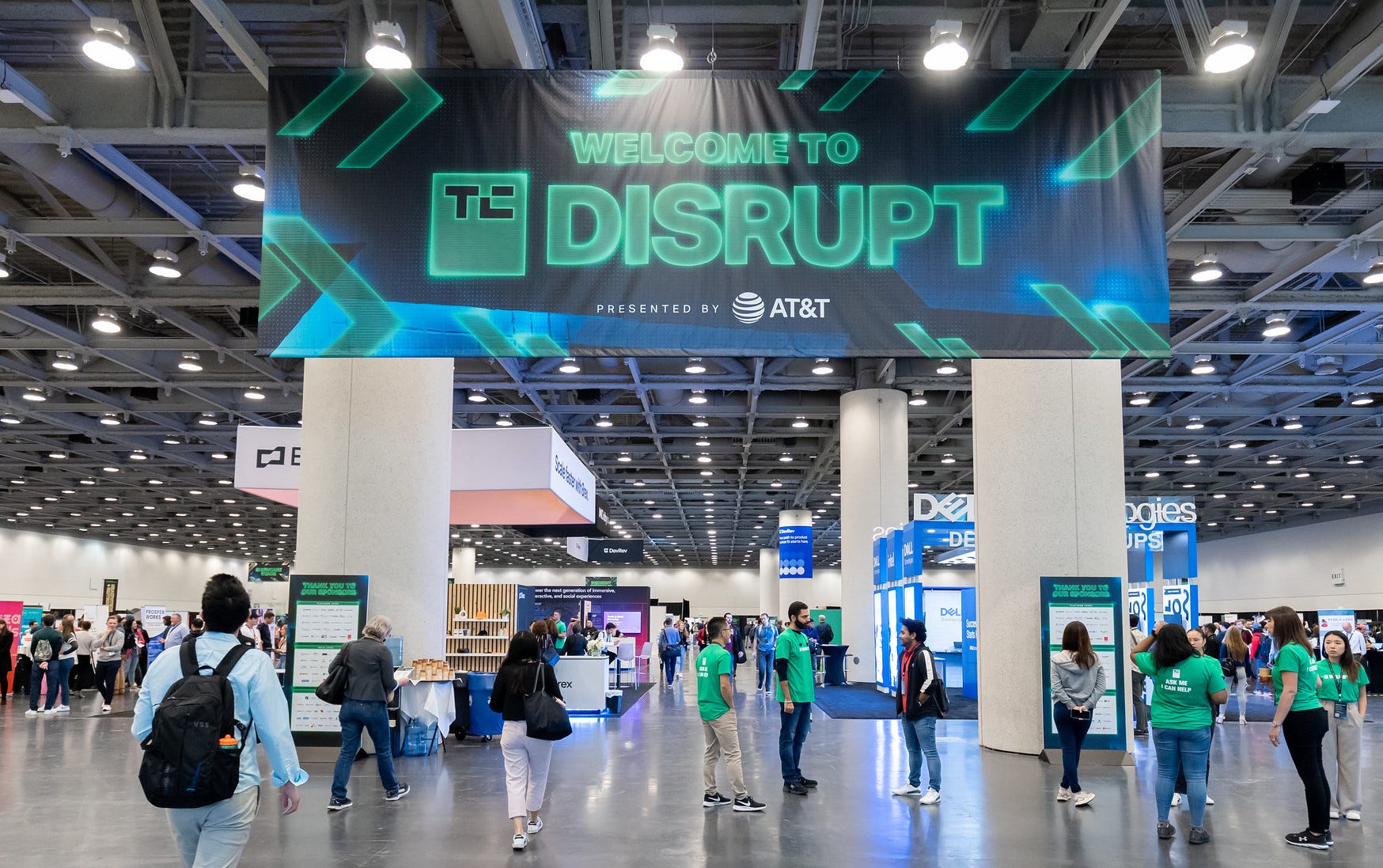
The company has established direct telecom connections in Nigeria and South Africa and signed a major company as an enterprise customer. It was also selected for TechCrunch Startup Battlefield 200 in the enterprise category and received $60,000 from the INSEAD AI Venture Lab.
Firima said KrosAI has raised $135,000 and is currently raising another round. The company has not disclosed how much of its funding came from individual investors or other sources.
KrosAI makes money through monthly subscriptions. Customers pay for phone numbers, call minutes, and AI-powered call insights, alongside a platform fee covering services such as transcription and storage.
Firima is not disclosing revenue figures, but he said the company targets margins of 30% to 50% over what telecom operators charge it. One of the most important metrics he watches is margin per market, because some operators require advance payments.
“Growth with thin margins can use up cash quickly,” he said.
That constraint shapes KrosAI’s expansion strategy. Customer demand helps determine where it goes next, but demand alone is not enough. The company needs a local partner, a clear process for verifying identities, and costs that make commercial sense. As a market grows, it aims to move from a local intermediary to a direct telecom connection.

Rwanda is next on its expansion list. Firima would rather establish a sustainable operation in one country than spread the company’s cash across several markets without enough paying customers.
His ambition is to operate in at least 15 countries by the end of the year, although achieving that target will depend on how quickly the company can establish compliant, reliable and financially sustainable connections.
The infrastructure behind the AI boom
The excitement around AI often centres on increasingly capable models and the applications built around them. But voice agents introduce a practical requirement that text-based chatbots can avoid: they must connect to people through telephone networks that operate under local rules.
That creates an opportunity for companies like KrosAI, but also a demanding business. Every new market brings different telecom operators, identity requirements, pricing structures, and partnership negotiations. A product that works well in Nigeria cannot automatically be rolled out elsewhere without solving those local challenges.
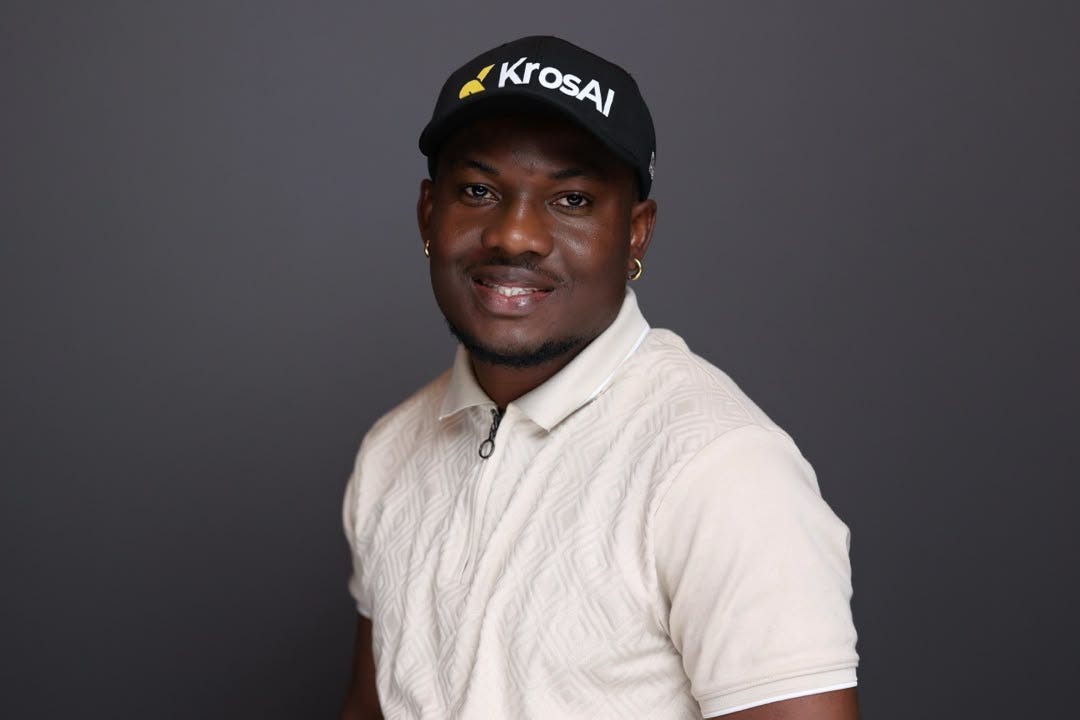
Firima wants KrosAI to become the infrastructure layer businesses rely on when deploying AI voice agents across the Global South.
“I’ll know we’re essential when a company can’t launch a voice agent in a new country without us, and when telcos treat us as a standard route in,” he said.
It is an ambitious goal for a company still expanding its footprint. But Firima’s bet is that as more businesses adopt AI voice agents, the bottleneck will not always be the intelligence of the software. Sometimes, it will be the much older technology that allows a phone to ring.
The line that stuck with me is that the technology was ready and the phone line was not. Four months on telecom partners and KYC before a single call is a very Nigerian-shaped kind of friction, and it makes sense to turn that compliance work into the product itself. I'm curious how KrosAI handles number provisioning when an operator changes its identity-check rules, since that seems like the part that could quietly break a live voice agent.