

Ordering a pair of shoes from an international store should not feel like a luxury reserved for people who can afford to pay almost as much for shipping as they do for the product.
Yet for many Nigerians, that is the reality of buying from foreign e-commerce platforms. The item might be affordable, but getting it to your doorstep can turn the entire purchase into a different calculation.
I ran into this problem while trying to buy a pair of white-and-black canvas tennis shoes for women from Amazon. The shoes, listed by Adokoo, cost $17.59. But when I checked Amazon’s shipping and fee details for delivery to Nigeria, the numbers looked very different from the price that initially caught my attention.
Amazon listed the product at about ₦29,249, with AmazonGlobal shipping adding another ₦28,930. That brought the displayed total to ₦58,179.45, with no estimated import charges included in the breakdown.
In other words, shipping alone was almost as expensive as the shoes.
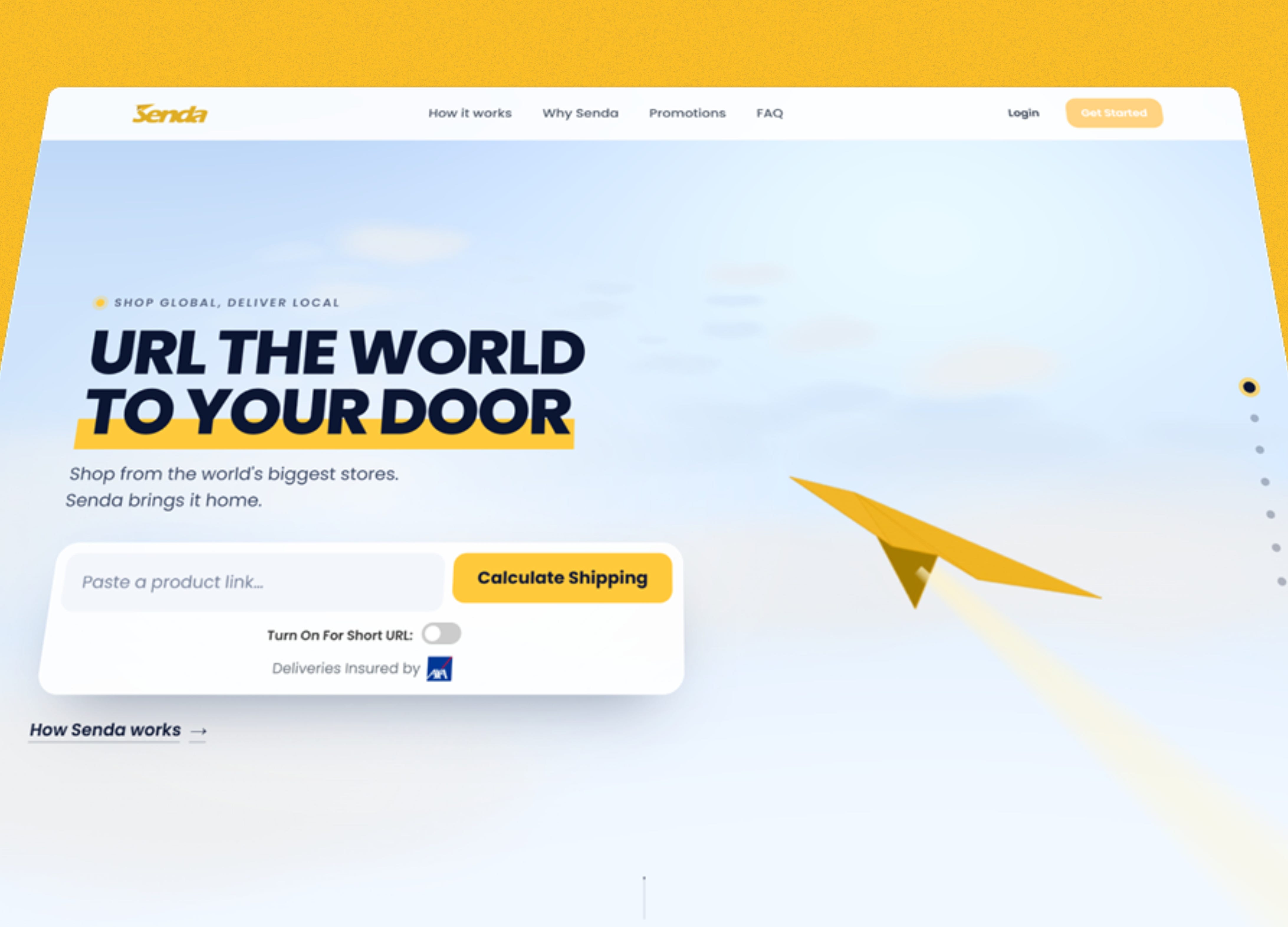
That was when I decided to try Senda, a logistics platform that lets Nigerians order products from international online stores by simply pasting a link. Rather than navigating the entire international shipping process myself, I could give Senda the product I wanted, get a quote, and let the company handle the purchase and delivery.
It sounded convenient enough. But I wanted to see how well it worked in practice.

From an Amazon link to my doorstep
Using Senda was straightforward. I copied the Amazon product link, pasted it into the platform, and reviewed the order details and charges. The idea is simple: instead of paying an international retailer directly and figuring out how to get the product to Nigeria, you use Senda as the intermediary.
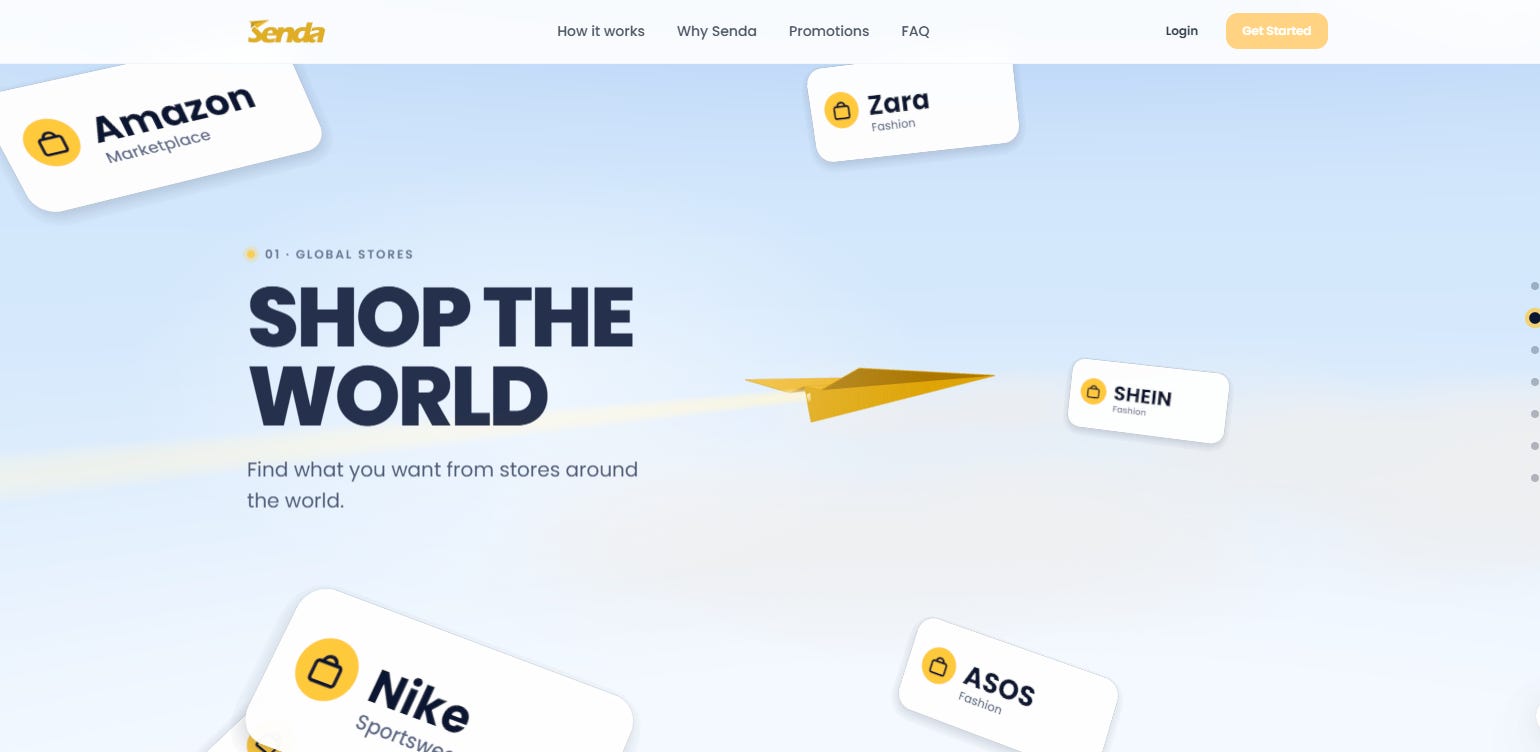
Senda says it supports products from major international e-commerce platforms, including Amazon, ASOS, Nike, Zara, Shein and eBay. Its service covers purchasing, international shipping, customs clearance and delivery, with tracking updates along the way.
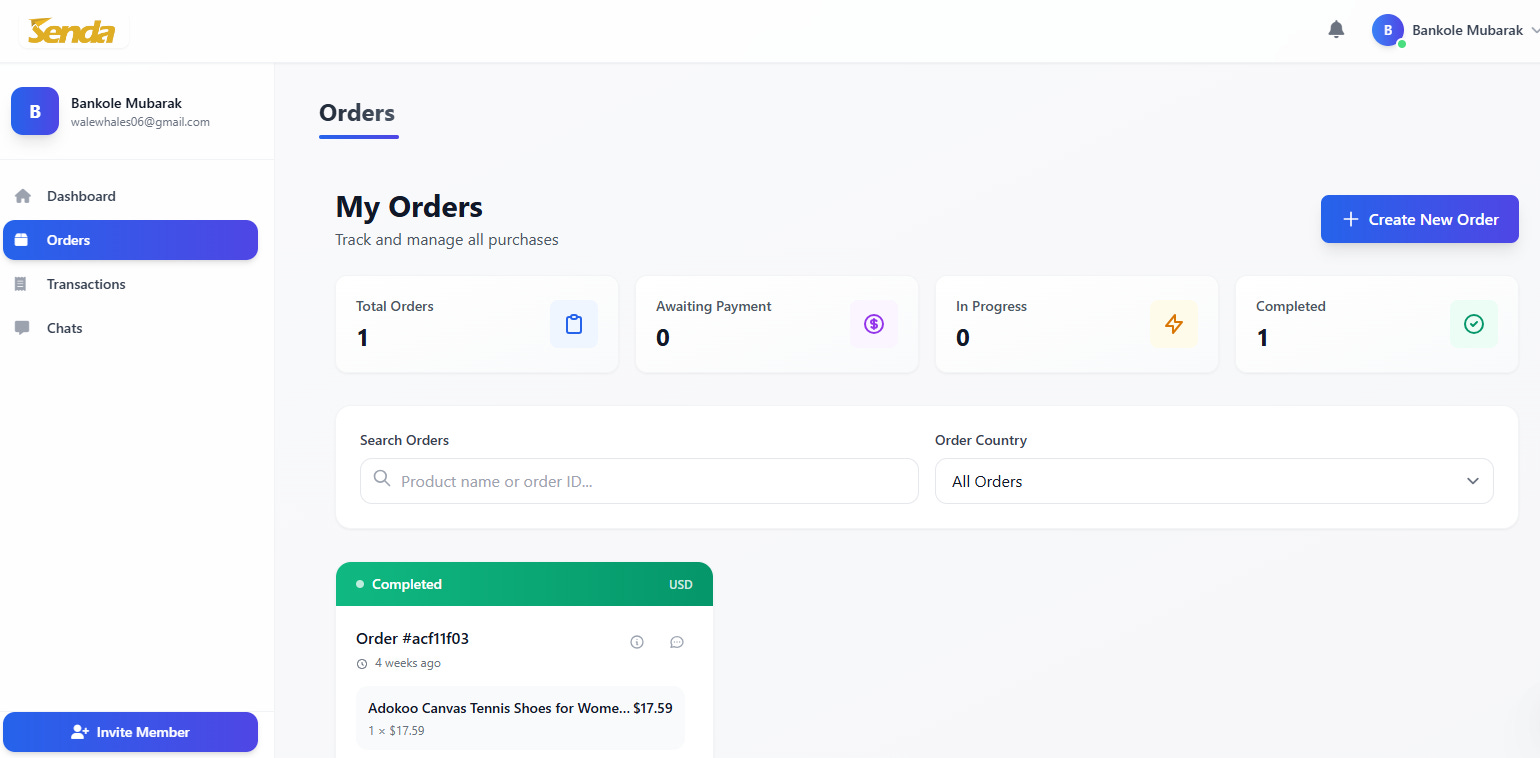
For my order, the shoes cost $17.59. The order breakdown I received listed $0.01 for shipping, $2 for insurance and an additional $0.88 charge. The figures made the service look considerably more attractive than the shipping quote I had seen on Amazon.
There is an important distinction here: the Amazon figure was the quote displayed to me for that purchase, while Senda’s charges came from my own order. International delivery costs can vary depending on the product, its weight, the destination and the applicable fees, so this is not proof that Senda will always be cheaper for every item. But in my case, the difference was enough to make trying the service worthwhile.
Then came the part I was most interested in: delivery.
My order arrived within a week.
That was faster than I expected, and even faster than I had anticipated when comparing the experience with ordering directly from Amazon. I had placed an order for an ordinary pair of shoes, but the experience left me thinking about a much bigger problem: how much easier could cross-border shopping become if more Nigerians had access to a service like this?
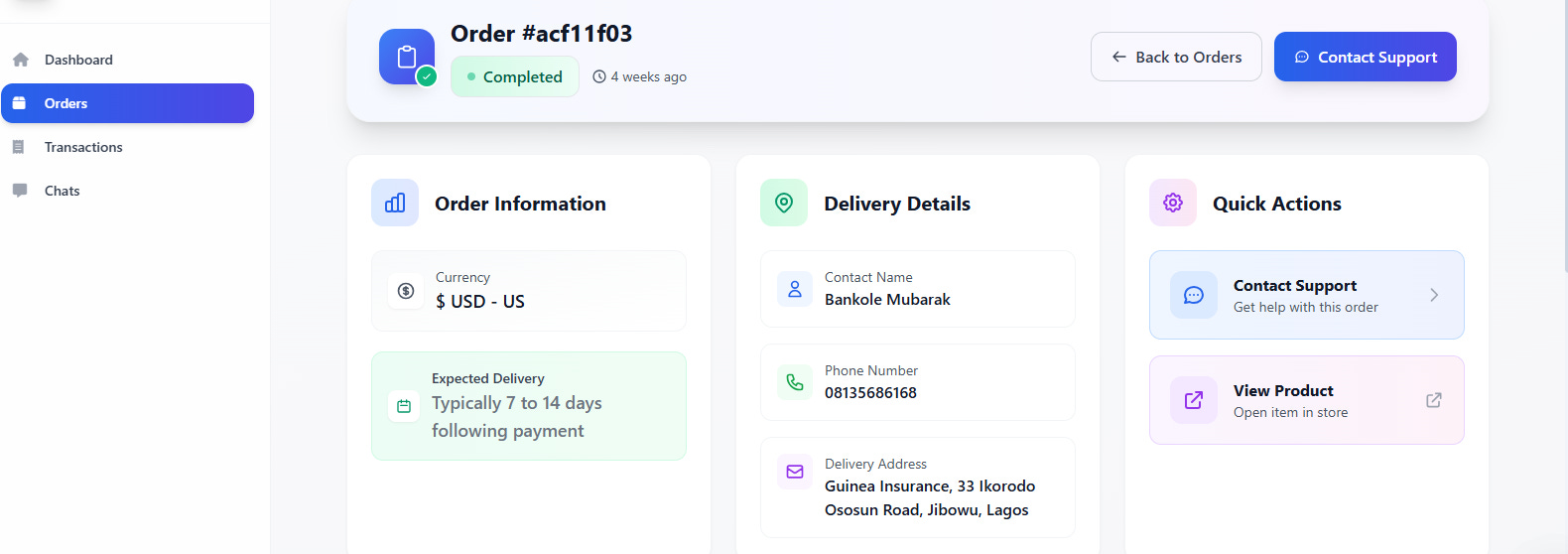
The experience was not just about getting a parcel delivered. It was about reducing the number of things I had to worry about between finding a product online and receiving it at home. I did not have to independently arrange the international shipping or work out the logistics of getting the item into Nigeria. Senda was built to handle those steps.
That convenience is the real selling point.
The bigger opportunity in cross-border shopping
Nigeria’s appetite for international products is not difficult to understand. Shoppers often look abroad for particular clothing brands, footwear, electronics, accessories and other products that may be unavailable locally or difficult to find at a reasonable price.
The challenge is that finding the product is only the first part of the transaction. Shipping fees, customs, payment arrangements and delivery can make an otherwise attractive purchase less appealing. For someone buying a relatively inexpensive item, the extra costs can be enough to abandon the order entirely.
Senda is trying to make that process less intimidating. Its model gives shoppers a way to access international stores without having to manage every part of the cross-border delivery process themselves. Users paste a product link, review the quote, pay through the platform and wait for their orders to arrive.
That may sound like a small improvement, but removing friction from an everyday transaction can make a meaningful difference. A shopper who previously avoided buying from Amazon because of the delivery cost might reconsider if the process becomes easier and the total price more manageable. There is also a business opportunity here.
A platform that consistently makes international shopping more convenient could become a useful bridge between global online stores and Nigerian consumers. If it can combine competitive pricing with reliable delivery, transparent charges and responsive customer support, it has the ingredients to build a service people return to rather than use only once.
Of course, one successful order does not establish that Senda has solved cross-border logistics. My experience cannot tell us how it performs across hundreds of orders, whether every product category is equally affordable to ship, or how it handles delays, damaged items and refunds. Those are important questions for any service operating across borders.
Its published website describes a process that includes upfront quotes, parcel tracking and door-to-door delivery. The real test will be how consistently those promises hold up as more customers use the platform.
Still, my experience offers a reason to pay attention. A service does not need to reinvent logistics from scratch to make a difference. Sometimes, making an existing process easier, clearer and more accessible is valuable in itself.
Could Senda become a bigger Nigerian logistics player?
I would use Senda again. That is perhaps the clearest takeaway from my test. I found the process convenient, the charges more appealing than the Amazon shipping quote I had received, and the delivery time particularly impressive.
More importantly, the experience changed how I think about buying products from international stores. Instead of automatically assuming that shipping will make an order too expensive or complicated, I now have another option to consider.

For Senda, the opportunity extends beyond helping individual shoppers buy shoes or clothes. The bigger challenge is earning enough trust to become a regular part of how Nigerians access global commerce. That means keeping costs competitive, communicating clearly, delivering reliably and giving customers a way to resolve problems when something goes wrong.
If the company can do that consistently, it could build something much bigger than a convenient link-to-delivery service. It could become an important player in the way Nigerians shop across borders, connecting local demand with products sold in international markets.
That outcome is not guaranteed, and the company still has to prove itself at scale. But after using it myself, I can see why the model is worth watching.
For now, my verdict is simple: I wanted a pair of shoes from Amazon, found the direct shipping quote unattractive, and tried Senda instead. My order arrived within a week, and I would use the platform again. For Nigerians who have ever found the perfect product online only to be discouraged by the cost or complexity of getting it delivered, Senda is worth a look.
Sometimes, the most interesting startups are not the ones promising to change the world overnight. They are the ones making a frustrating part of everyday life noticeably easier. Senda has given me a reason to believe cross-border shopping could become a little less complicated for Nigerian consumers.
Check out Senda today and give it a try. I highly recommend this!
Collab Corner
Believers Tech Expo 2026 to Unite Faith and Technology Builders in Lagos
Believers Tech Expo 2026 will bring together faith-driven founders, engineers, designers and technology professionals to showcase innovations and explore the intersection of faith and technology.
The third edition of the event will feature working products, practical sessions and networking opportunities for people building careers, businesses and solutions within the technology ecosystem.
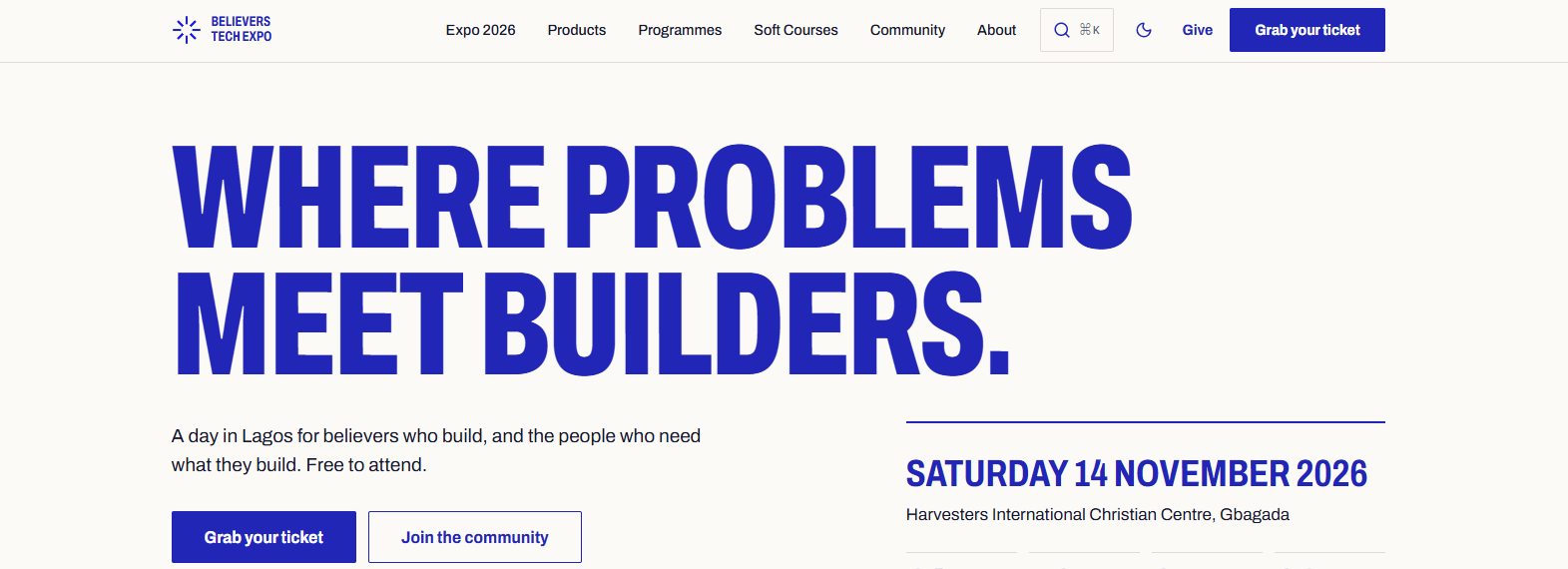
Event details
Theme: Faithnovation
Date: Saturday, November 14, 2026
Venue: Harvesters International Christian Centre, Gbagada, Lagos
Expected attendance: 500–1,000 people
Programme tracks: AI and emerging technology; entrepreneurship and business; faith and work; church, society and technology; leadership, careers and professional growth.
Unlike conventional technology conferences, the expo will feature products selected through an application and review process, with only working products making it to the exhibition floor. Don’t miss it.
For more information: believerstechexpo.com