


I met Abisinuola Adedeji at Baraza Lagos, and a few weeks later I sat in on her Founders Lab session in Yaba. By the time I left that room, I understood exactly why founders keep coming back to her.
She has a line she repeats often, and it should be tattooed on the inside of every pitch deck in Lagos: “Fundraising is not a business model.”
It sounds simple. It is not. It is, in fact, the single most important thing most founders in this ecosystem need to hear and refuse to.

PivotHQ was born from a pattern Abisinuola kept noticing across the ecosystem. Founders had passion. Founders had vision. What most of them did not have was structure. There was, and still is, a disproportionate amount of attention on pitching, fundraising, and visibility, while the actual fundamentals of building a sustainable business quietly got ignored.
“Many founders were struggling with the fundamentals required to build sustainable businesses,” she told me. “They lacked clear systems, operational structures, growth strategies, governance frameworks, and the support needed to navigate the journey from idea to sustainable enterprise.”
So she built the bridge. PivotHQ exists to help early-stage and growing tech founders design businesses that can actually survive, not just impress a room for ten minutes during a pitch competition.
“Before a startup becomes investor-ready, it must first become business-ready,” she said. “Africa does not just need more startups. It needs more sustainable companies.”
Her path into this work was not a straight line through a business school textbook. It came from years of sitting close to founders at every stage of their journey and noticing the same thing over and over: the problems holding people back were rarely technical.
They were structural. Founders were making consequential decisions without access to the systems or strategic guidance that could have made those decisions easier.
That observation pushed her deeper into management consulting, not the kind that reacts to symptoms, but the kind that builds organizations designed to actually handle growth from the start.
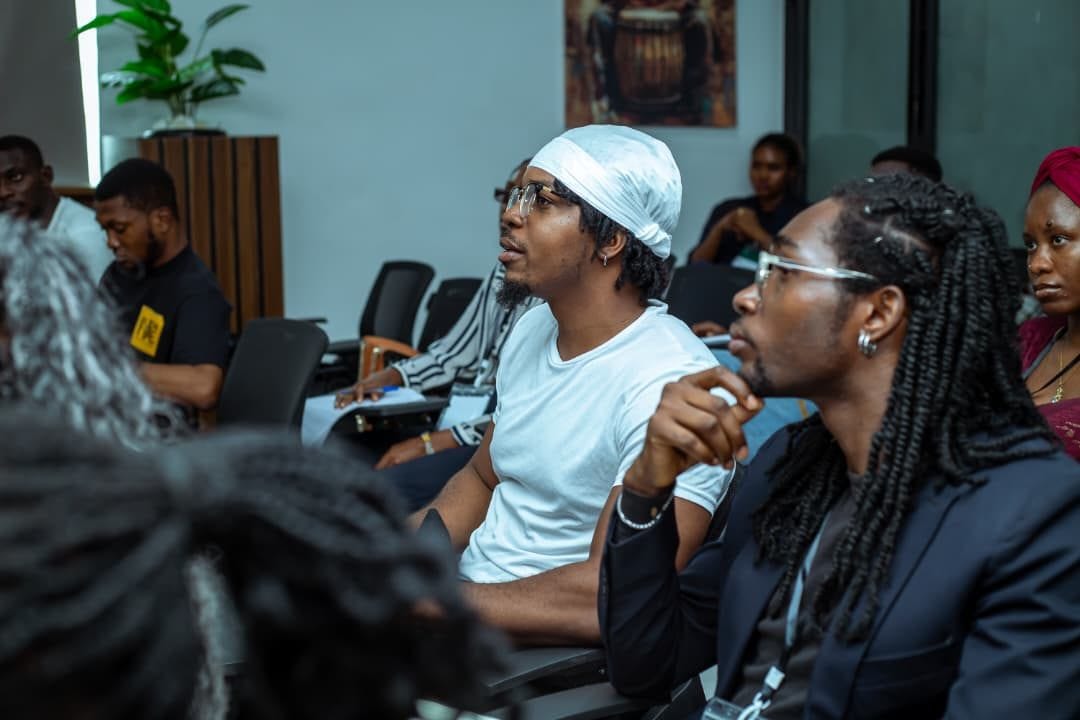
Alongside that, she became deeply invested in ecosystem building, because she understood something many people overlook: founders do not succeed in isolation. They thrive inside strong communities, networks that connect them to knowledge, capital, partnerships, and opportunity.
Consulting plus community. That intersection became PivotHQ.
On the myth that funding is the real problem
Ask most founders what’s holding them back and they’ll say money. Abisinuola disagrees, and her experience backs her up.
“Funding is important, but in many cases it is not the primary problem,” she said. “The most common challenge I see is the absence of systems and structure. Many startups struggle because they do not have a clear business model, a predictable revenue strategy, strong operational processes, or the internal structures needed to support growth. When these foundations are weak, capital often amplifies inefficiencies rather than solving them.”
It’s a sharp point, and an uncomfortable one. Money does not fix a broken business. It just makes the cracks more expensive.
The story that proves the model works
A founder walked into one of her Founders Lab sessions in April carrying an idea he had been quietly incubating for nearly two years. Passion, conviction, vision, all present. What was missing was the structure to actually move it forward.
After a clarity call, he was onboarded into PivotHQ’s tiered advisory system. Within two intense weeks, the team worked with him to establish the foundational pieces, clarify the business model, identify the right team requirements, and build a clear pathway toward an MVP.
Seven weeks later, that same founder is preparing to launch his MVP and will publicly demo it at PivotHQ’s upcoming Founders O’Clock event.
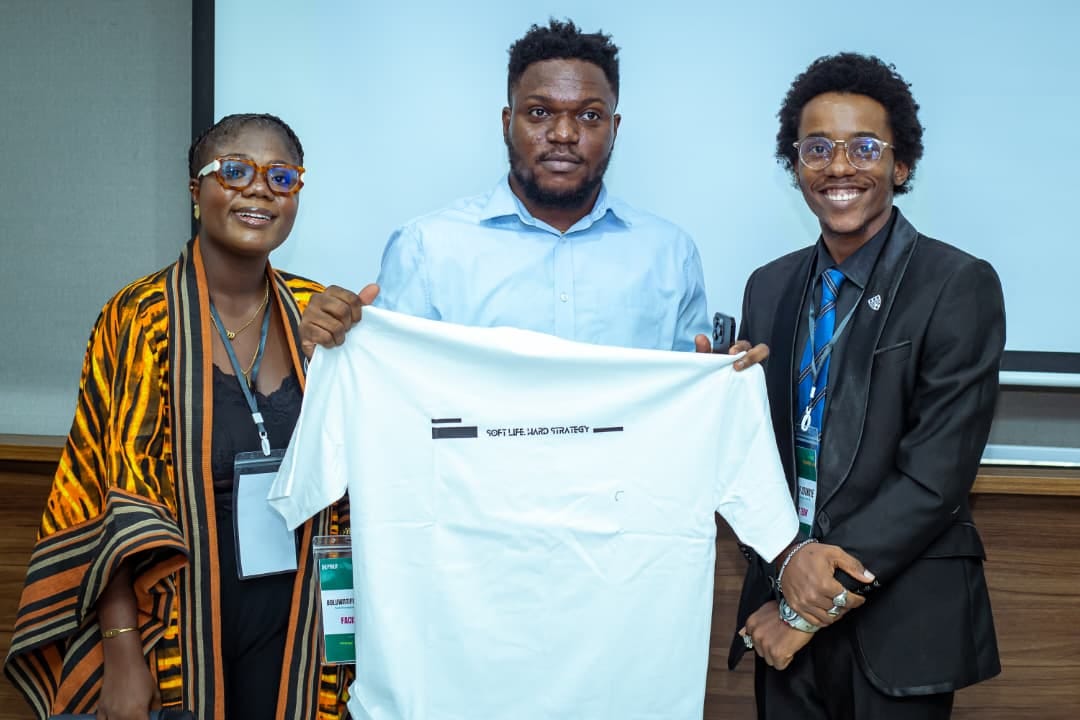
“For me, the most important part of this story is not the speed. It is the clarity,” Abisinuola said. “The founder already had the ambition and willingness to build. What he needed was access to the right systems, structures, and advisory support.”
Building patiently in an ecosystem obsessed with speed
The hardest part of building PivotHQ, she admits, has not been a technical challenge or a funding gap. It has been resisting the constant pull toward short-term visibility in an environment that rewards exactly that.
“There is constant pressure to move quickly, chase trends, or focus solely on metrics that look impressive on the surface,” she said. “We have intentionally chosen to focus on creating real value for founders, even when that path requires patience.”
The lesson she keeps returning to: meaningful institutions are not built overnight. They are the product of consistency, credibility, and a genuine commitment to serving people well over time.
And clarity, knowing exactly what your mission is, makes every decision after that easier.
Who she is beyond the titles
When I asked her to step outside the consultant and ecosystem-builder labels for a moment, her answer was simple.
“At my core, I am a builder,” she said. “I am deeply passionate about helping people and organizations realize their potential.”
The values she names, service, excellence, integrity, curiosity, and impact, show up clearly in how she runs her sessions.
There is no performance in the room when she teaches. Just someone genuinely invested in making sure the founder in front of her leaves with something more useful than inspiration.
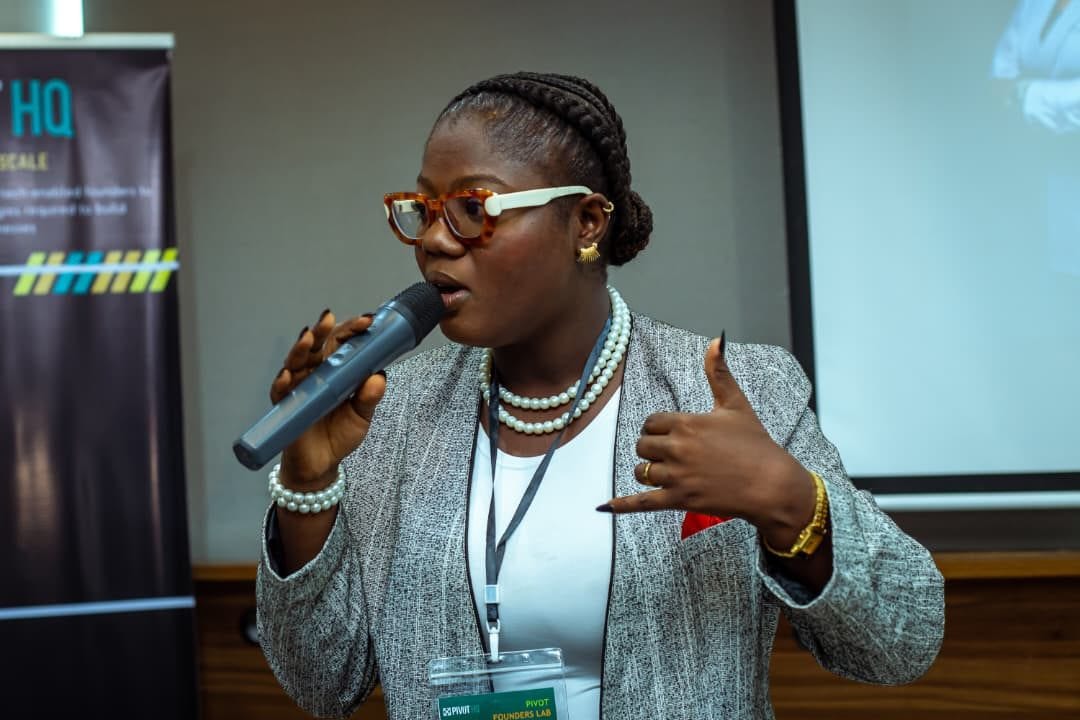
“If people remember me as someone who helped others build sustainably and think bigger about what is possible,” she said, “I would consider that a meaningful legacy.”
Africa has plenty of people teaching founders how to pitch. Abisinuola Adedeji is one of the few teaching them how to actually build something that survives the pitch.
That distinction matters more than most people in this ecosystem are willing to admit.
If you are a founder with an idea but no structure around it, Founders Lab and Founders O’Clock might be exactly the room you need to be in next.