Every day, millions of people make food decisions without knowing how those choices fit into their health needs. Someone managing diabetes may wonder whether a particular meal is suitable.
A person dealing with high blood pressure may want to eat better but struggle to find affordable options. Someone recovering from an illness may need to rethink their diet, only to discover that much of the advice available online does not reflect the food they eat at home.

For Ogooluwa Fagbemi, the problem was personal. When he experienced stomach issues, he consulted a nutritionist to understand what he could eat and what he needed to avoid. But professional advice did not eliminate the daily uncertainty. He still found himself contacting his nutritionist to ask whether particular meals were suitable for him.
That experience raised a bigger question: what happens between a consultation and the next meal?
“While healthcare professionals provide valuable guidance, people also need accessible, personalised support to make informed decisions about their health and well-being every day, not just during medical appointments,” Fagbemi said.
That question became the starting point for Foodivio, a Nigerian health-tech startup building a personalised nutrition platform around familiar African meals. Rather than asking people to overhaul their diets or rely on generic meal plans, it wants to help them make food choices that fit their health goals, cooking routines and budgets.
The idea is straightforward, but the problem it tackles is easy to underestimate. Eating is a daily decision, and for people managing long-term health conditions, getting that decision right can feel like another responsibility on an already demanding day.
Turning nutrition advice into everyday decisions
Foodivio begins by asking users about their health goals, dietary needs, preferred cooking time and monthly food budget. It then uses those details to recommend meals from a growing database focused on Nigerian and other African foods.
The platform considers nutritional characteristics relevant to different goals. Users managing diabetes can explore meals with a lower glycaemic impact, while those concerned about high blood pressure can find options with heart health in mind.
For people managing polycystic ovary syndrome (PMOS), formerly known as PCOS, Foodivio highlights meals with characteristics such as higher fibre content and lower glycaemic impact.
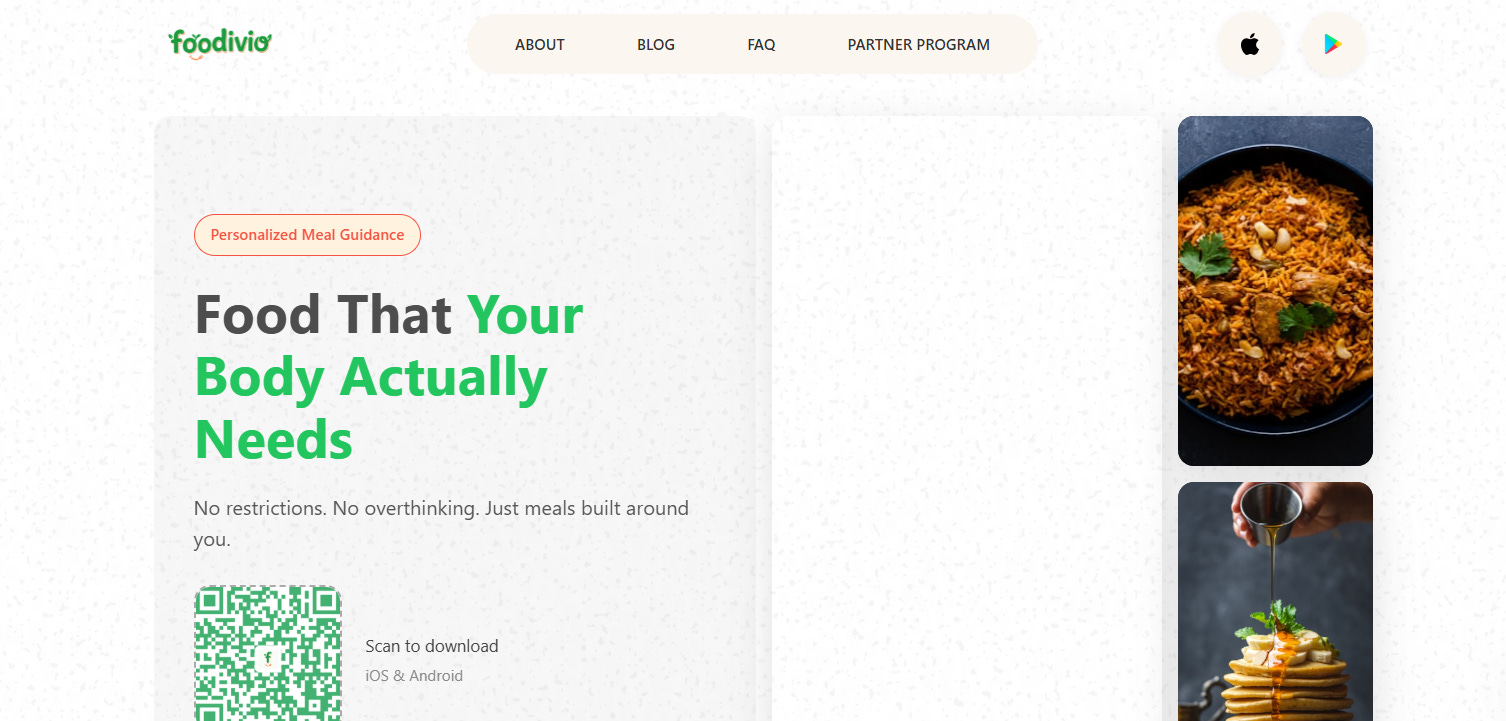
Each meal comes with ingredients, preparation instructions and health-related tags. Users can save favourites, create shopping lists and use a feature called “What’s in My Kitchen?” to discover meals they can prepare with ingredients they already have.
The platform also includes an AI food assistant that answers food and nutrition-related questions.
These features turn Foodivio from a simple recipe collection into a tool designed to make nutrition guidance more practical. Someone trying to eat better does not necessarily need another list of foods they should avoid. They need to know what they can prepare tonight, whether it fits their needs and whether they can afford it.
That is also why the startup is focusing on local food. Many nutrition and wellness apps are designed primarily around Western diets, leaving people in Nigeria to adapt recommendations built around unfamiliar ingredients or eating habits.
“Healthy eating should work with people’s cultures, not against them,” Fagbemi said.
For Foodivio, that means working with familiar foods such as rice, beans, yam, plantain and traditional soups, while considering how preparation, portions and nutritional needs affect individual choices. It also means acknowledging that a recommendation is not particularly useful if its ingredients exceed someone’s food budget.
The technology matters, but so does trust
Personalized nutrition becomes more complicated when recommendations are intended for people managing medical conditions. A meal suggestion that works for one person may not suit another, even if both have the same diagnosis.
Foodivio says its recommendations are grounded in nutrition science, with a qualified nutritionist on its team holding a bachelor’s degree in Nutrition and Dietetics and a master’s degree in Human Nutrition. She is also a member of the Dietitians Association of Nigeria.
The company combines nutritional considerations with technology to make its recommendations relevant to users’ stated goals and circumstances. Its AI assistant provides general nutrition information, but the startup says the platform is not intended to diagnose illnesses, prescribe treatment or replace doctors and nutritionists.

That distinction is important. Foodivio is building a tool to help people apply nutrition guidance to everyday decisions, not to make medical decisions on their behalf.
The startup has launched its minimum viable product on Android and iOS, but it is still early in its journey. Fagbemi did not provide user numbers or evidence of measurable long-term health improvements. Instead, he pointed to conversations with early users who wanted more health goals and broader recommendations.
One of the biggest lessons, he said, has been that developing a useful product does not automatically bring customers. The company is now paying greater attention to marketing, partnerships, community engagement and distribution.
Foodivio uses a freemium subscription model. Its platform is free to download and use, while premium plans start at ₦2,900 monthly, with discounted six-month and annual options.
Fagbemi is building the company alongside Nelson Korodele, its co-founder and chief technology officer. Their longer-term ambition extends beyond meal recommendations: they want Foodivio to become a health and wellness companion that can help users track nutrition, hydration, physical activity, weight, sleep and other indicators.
That vision is still a work in progress. For now, Foodivio is starting with one of the most frequent decisions people make: what to eat.
“We are not yet at the stage where we can claim measurable long-term health improvements,” Fagbemi said. “But these early conversations are helping us understand what users value and where we need to improve.”
The opportunity lies in making health feel less like something people think about only when they become ill and more like something they can work on in ordinary moments.
Foodivio cannot remove the cost of food, replace professional care or guarantee better health. But by bringing nutrition guidance closer to the kitchen, it is attempting to make one part of looking after oneself easier to navigate.