

A song can now begin with a prompt. A voice can be copied without the singer stepping into a studio. A computer can help create lyrics, melodies, and entire tracks before a human musician has even picked up an instrument.
For Abiodun “Bizzle” Osikoya, that is exciting. It is also a reason to be careful.
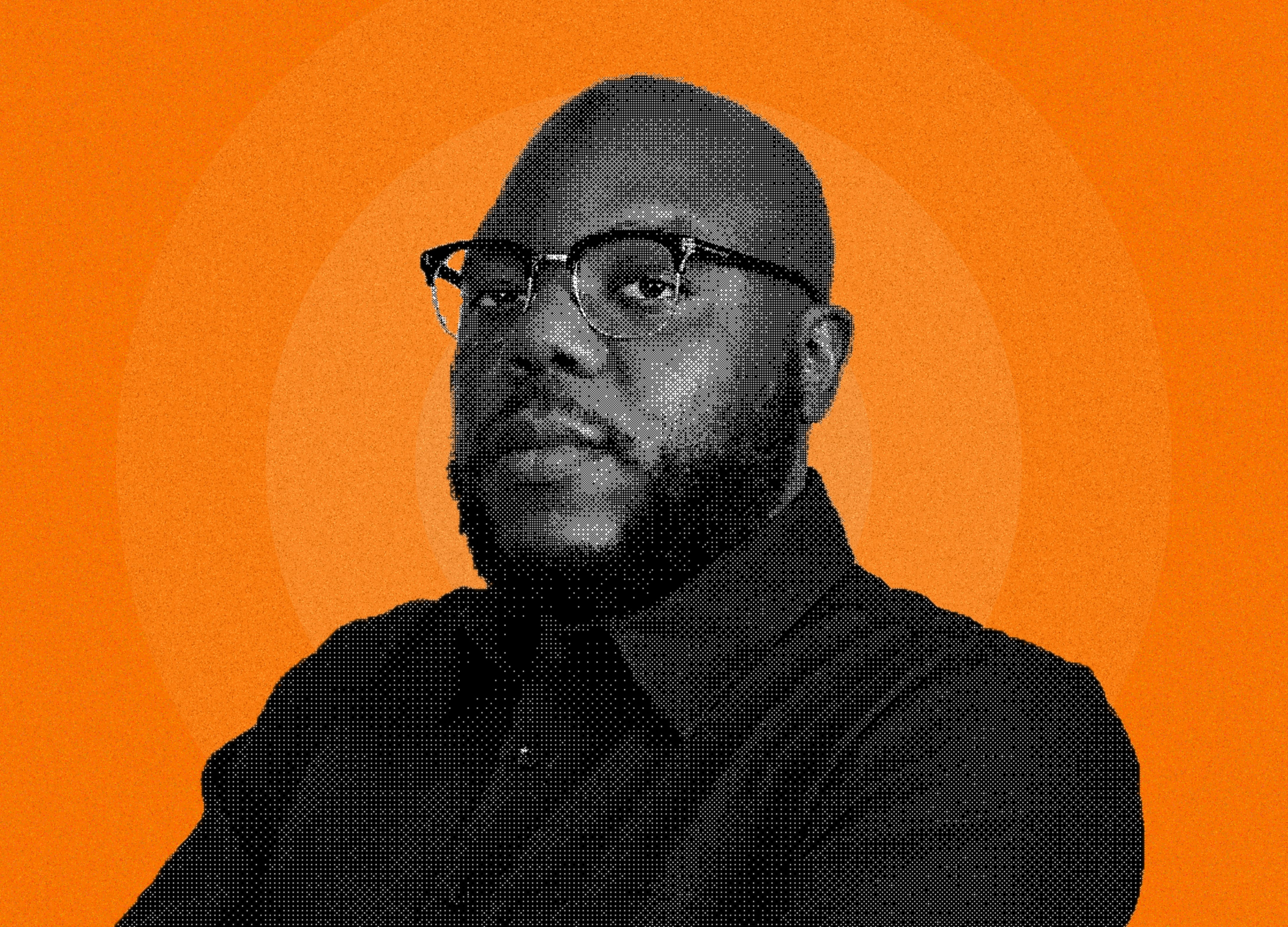
“I’m excited about AI as a tool because it’s going to help us enhance things,” he tells in60. “But what is really concerning for me is: how do we protect human creativity?”
It is a question worth asking someone who has spent much of his career recognising what makes an artist special before the rest of the world catches on.
Bizzle is not the person singing the hook or standing in front of thousands of fans. He works behind the scenes, helping artists find their sound, decide on their music, and build the relationships that can turn talent into a career.
He has worked across different eras of Nigerian music, from the days of physical distribution to the streaming age, and helped develop artists who have gone on to reach audiences far beyond Nigeria.
Through The Plug, the entertainment company he co-founded with Asa Asika, his work has extended into artist management, publishing, music distribution, events and other parts of the business. His career has included work with Davido, Wande Coal, Dr SID, Tiwa Savage, as well as contributing to the early career development of artists like Oxlade and Tems.
He has also said he believed in Oxlade, Tems, Shine TTW and Alpha P before they became widely recognised.
Now, he is watching a new technology enter the industry he knows so well.
For Bizzle, the question is not whether AI will become part of music. He believes innovation will continue, whether the industry welcomes it or not. The bigger question is what happens to the people whose voices, writing, production, and years of work give music its value.
“Innovation shouldn’t come at an expense,” he says. “We need to protect the human beings who make music in this industry.”
The money behind the music
To understand why Bizzle is concerned, it helps to understand what he does.
Artist and repertoire, or A&R, is often described as talent discovery. In practice, it involves much more than hearing a good voice or finding a song that could become a hit. It can mean helping an artist develop a sound, choosing the right songs, shaping projects, and working out how to introduce that artist to a wider audience.
Bizzle has spent years doing that work. In a 2020 interview with OkayAfrica, he discussed his work on Oxlade’s Oxygene EP, including the months spent developing the project with producer Spax. He also described A&R as a process of discovering and developing musicians, then helping connect them with opportunities that can take their careers further.
That human judgement is what he does not want technology to push aside.

AI can help musicians experiment, work faster, and explore ideas that might otherwise be difficult or expensive to execute. But it can also raise uncomfortable questions. What happens when a song uses a voice that sounds like a famous singer?
Who should be paid when an AI system contributes to a track? And what happens when music made with very little human input competes for the same listeners and money as work created by musicians, songwriters and producers?
Bizzle believes the industry needs to distinguish between AI-assisted music and music created entirely by AI, particularly when it comes to royalties.
“If an upcoming Nigerian artist starts and does music and uses AI and he blows up, all good and well for him,” he says. “But he should know that he’s still going to need to perform it, right?”
He argues that artists who use AI should not automatically earn the same streaming royalties as people who create music entirely through human effort. That is his view of how the industry should evolve, not a universal rule across streaming platforms.
The policies are still developing. Spotify, for example, says it supports artists using AI while working to protect against unauthorised voice impersonation, spam and deception.
It has also been developing ways to disclose AI’s role in music credits. Tidal, meanwhile, announced in 2026 that wholly AI-generated music would not be eligible for monetisation under its policy. The approaches differ, but both reflect a growing debate over how to protect artists and provide listeners clearer information about what they hear.
For Bizzle, transparency is part of the answer. Listeners should know when AI has played a role, and the industry needs to take the rights of human creators seriously.
The stakes are especially high in a business where a song can travel around the world in hours, while the people who helped create it may still be struggling to understand their contracts, publishing rights, or royalty statements.
Why he still trusts his ears
AI is not the only thing making life harder for musicians. Bizzle says the current music business can be more difficult to navigate than the era of physical distribution.
Back then, there was less music competing for people’s attention. Today, an artist can record a song, upload it, and make it available to listeners around the world without a traditional record label. That access has opened doors, but it has also created an enormous amount of competition.
“There’s so much music to consume,” he says. “Everybody’s attention span is short.”
For him, the problem is that talented artists can disappear in the noise. A song may trend for a few days, but that does not mean its creator has the support, guidance, or strategy needed to build a lasting career.
That is why he still believes in traditional A&R.
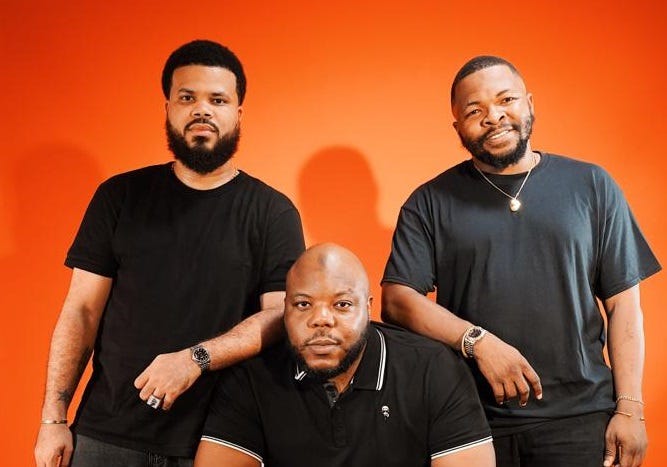
Data and analytics can help managers see which songs are gaining traction, where listeners are coming from, and which artists are attracting attention. Those tools have their place. But numbers cannot tell the whole story, Bizzle argues. Someone still has to listen carefully, recognise something unusual and decide whether an artist has the potential to grow.
“I still love to go and look for music and listen to music,” he says. “Everything shouldn’t also always be just about trends.”
He is not dismissing technology. He is drawing a line between using it to make better decisions and allowing it to make every decision. An artist with modest numbers today might have a voice, style, or instinct that could become something bigger with the right development. An algorithm may identify what is already popular, but a good A&R can take a chance on what has not yet found its audience.
That belief has shaped his approach to artist development. Bizzle says it takes discipline, patience, and investment to help a musician grow. There is no guarantee that the work will pay off quickly. Sometimes, it can take years for an artist to find the right sound and audience.
He points to artists such as Tems, Kizz Daniel and Maleek Berry as examples of musicians who have built beyond a single hit through discipline and the desire to keep growing.
The same patience is needed from the people working behind the scenes. Bizzle says it can be difficult when an artist leaves after years of support and development, particularly when the manager or team feels they helped build the foundation for that success. But he also recognises that artists move on for different reasons, including disagreements and misunderstandings about contracts.
His advice is that people need to understand the business they are entering. Talent alone is not enough. Artists must learn about ownership, publishing, royalties and the agreements they sign.
That lesson also informs the way he thinks about The Plug.
Building beyond one artist
When Bizzle and Asa Asika started The Plug, their original focus was not simply to manage recording artists. In the interview, Bizzle explains that they wanted to give better representation to people who often work behind the scenes, including DJs, producers and songwriters.
The business expanded into artist management after Davido became its first client, according to Bizzle. But the founders eventually realised that building a company around artists alone could leave the business vulnerable.
Artists can change managers, sign elsewhere or decide to take a different direction. A company needs more than one source of income and more than one way to create value.
The Plug grew into other areas, including live events, brand services, publishing and sports management. Its work also includes Mainland Block Party, a platform Bizzle says has given emerging artists opportunities to perform on major stages and has expanded beyond Nigeria into Ghana, London and New York.

The wider business matters because it addresses some of the gaps Bizzle sees in the music industry. Nigerian music has won international attention, but he believes the country still needs stronger venues, better protection for creators and more effective ways to collect and distribute royalties.
He is particularly concerned about the people who do not have the global profile to draw attention to unpaid royalties or unfair treatment. Artists may find international partners, but the local systems that protect and pay creators also need to work.
Through The Plug’s publishing arm, he says the company works to help artists protect their intellectual property and understand how they earn from their music. It has also organised industry education, including sessions with representatives from the UK’s PRS for Music.
For Bizzle, the industry’s next stage will depend as much on education as it does on technology.
“More people need to educate themselves about the music industry, the rights they deserve,” he says. “Education is one of the biggest things that is hindering us in this industry.”
That message feels particularly urgent as AI makes it easier to create and distribute music. If artists do not understand their rights, new tools could make it even harder for them to know who owns what, who should be credited, and where their money is going.
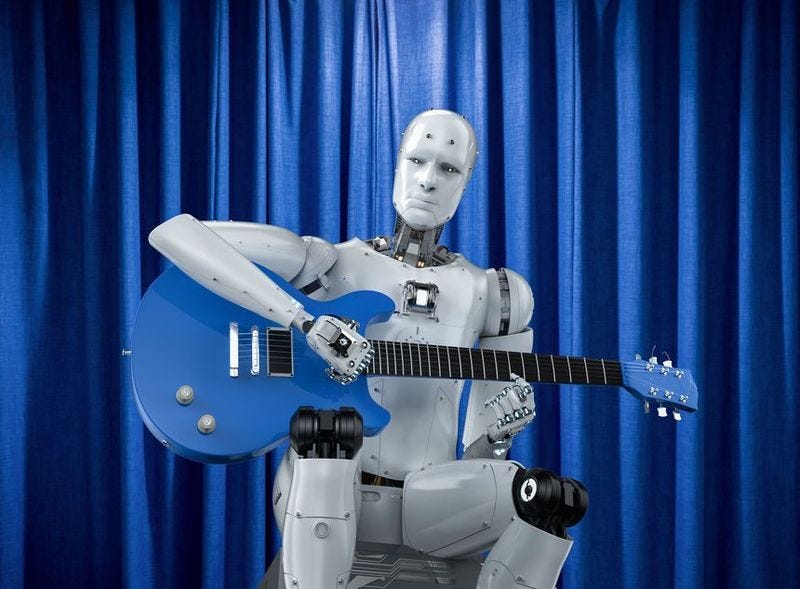
Bizzle is not asking the industry to turn its back on AI. He sees its potential. But he wants the people who make music to remain part of the conversation, rather than become an afterthought in the race to build faster tools and produce more content.
After years of helping others find their sound, he is still listening for what comes next. This time, he is listening for the people behind the technology, too.