

For many Africans, earning money has become increasingly global even when their bank accounts are not.
A Nigerian freelancer can work for a company in the United States. A creator can earn from an international platform. A software developer can build for clients in Europe. A digital business can sell to customers across several countries. But getting paid is often still the difficult part.
The money may arrive through one platform, need to be converted somewhere else, and then moved again before it can actually be spent.
Conzo wants to simplify that experience.
Founded by Sokale Moses Olumide, the fintech started with a collection of digital financial services: crypto, global gift cards and bill payments. Those products were not meant to be the destination.
They were the starting point for a broader ambition to build a financial platform around how people increasingly earn, move and spend money in a global digital economy.
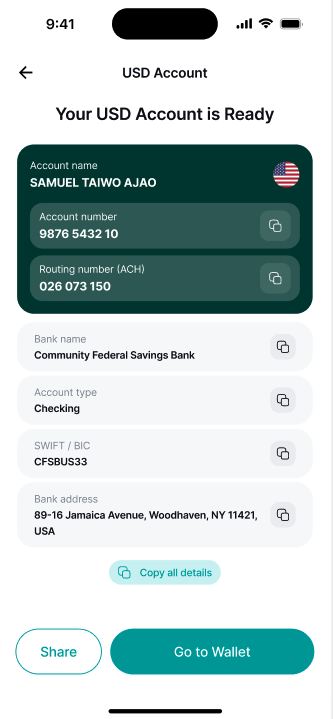
Now, Conzo is expanding into USD accounts, allowing users to receive eligible international payments through a US bank account issued in their own name, convert those funds to Naira and use the money locally.
The move signals a shift for the company. Conzo is no longer simply trying to make crypto or gift cards easier to use.
It is positioning itself around a much larger problem: how do people who earn globally manage their money without constantly jumping between financial platforms?
It started with crypto, gift cards and everyday payments
When Conzo launched, the opportunity was relatively straightforward. People were already using crypto and online financial services, but the experience was fragmented.
Someone might need one platform to trade crypto, another to buy a gift card, and another to pay a bill. Conzo wanted to bring some of those activities together.
That is why its first products centred on crypto, global gift cards and bill payments.
The company saw these as practical entry points where it could immediately provide value while building the infrastructure and customer relationships needed for something bigger.
And as those customers started using the platform, Conzo began to see something else. Many of them were not simply crypto users. They were freelancers. Remote workers. Creators. Business owners.
People receiving money from international clients and participating in an economy that increasingly ignores geographical boundaries. That changed the question Conzo was trying to answer. It was no longer only about what people could do with digital assets. It was about how they could manage money that comes from anywhere.
Conzo wants to remove the swapping step
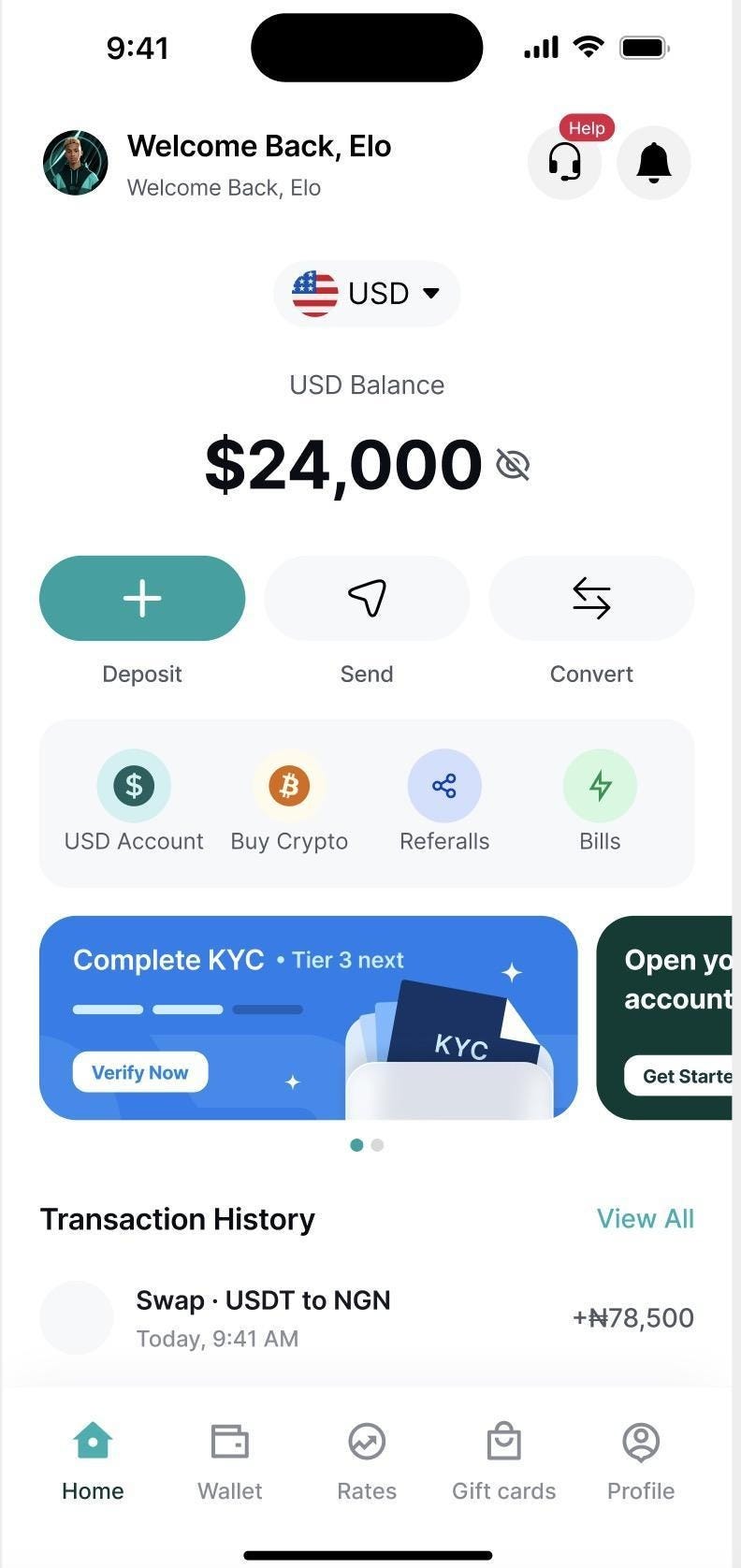
Today, a user can deposit supported digital assets, including BTC, ETH, USDT, USDC and BNB, into Conzo.
The company says those assets are automatically converted to Naira in the user’s wallet, removing the need to manually find a market, place an order and wait for a trade to execute before accessing the money.
Once the funds are in the wallet, users can withdraw to a bank account or spend them within Conzo.
They can buy global gift cards from brands including Amazon, Steam and Google Play, with codes delivered instantly. They can also pay bills and top up airtime and data.
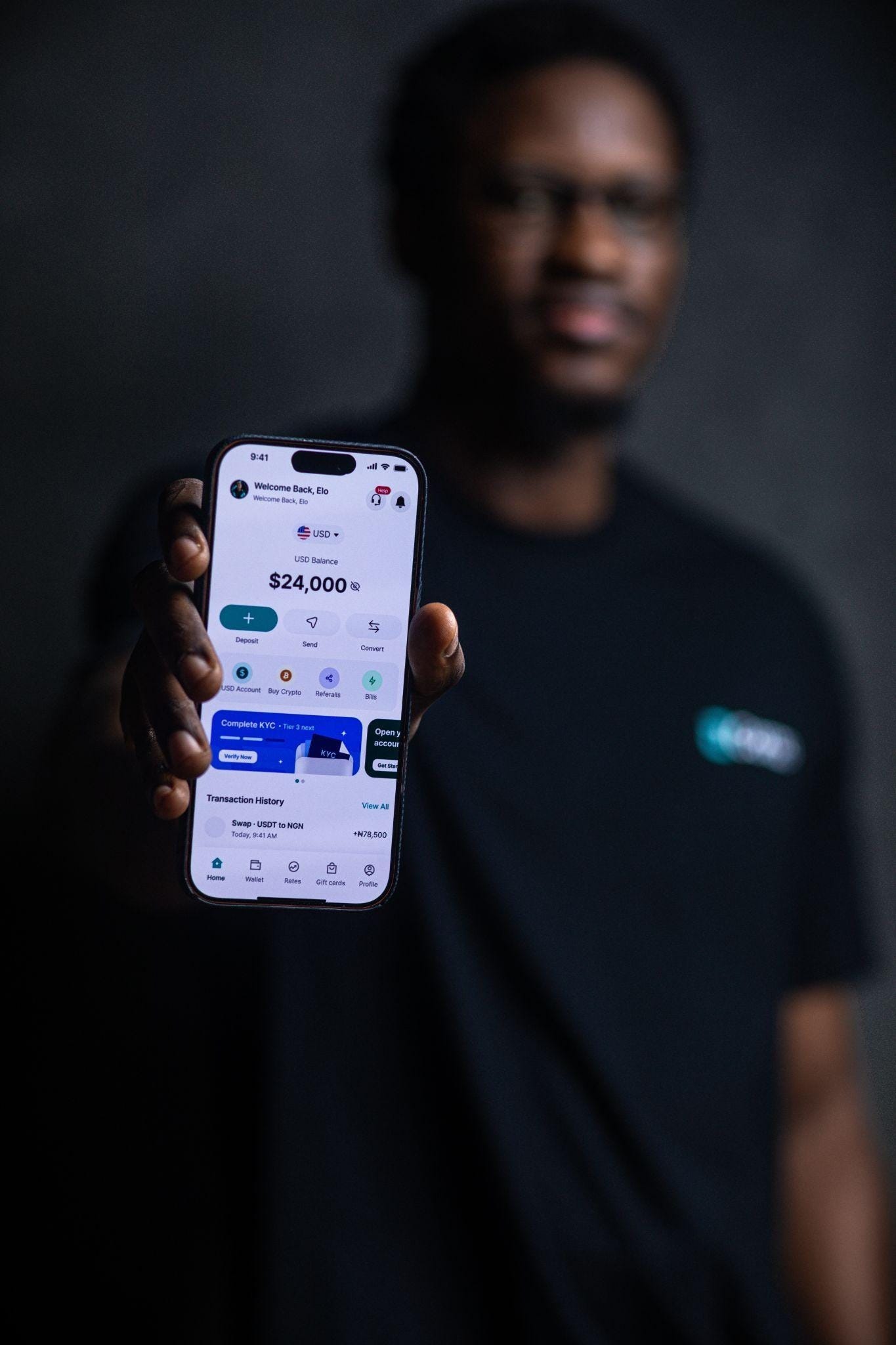
Users who have gift cards they no longer need can upload them to Conzo for verification and receive the value in their wallet. The idea is to make the movement from digital asset to usable money feel less like a series of separate financial transactions.
Deposit. Convert. Spend.
That simplicity is central to how Conzo sees its product. But the company’s next move takes the same philosophy into traditional international payments.
Why Conzo is moving into USD accounts
The growth of remote work, freelancing and digital businesses has created a new type of financial customer. Their income may come from several countries. Their clients may be thousands of kilometres away.
But they still need to receive money, hold it, convert it and eventually spend it in their home market. Conzo says that is the opportunity behind its new USD Account product.
The accounts are designed to allow eligible users to receive international USD payments through a US bank account issued in their own name. Once the money arrives, users can convert their dollars to Naira and receive immediate local settlement.
They can then withdraw the funds to a Nigerian bank account or spend them directly within Conzo on gift cards, bills, airtime and data. For Conzo, the account itself is only one part of the proposition.
The bigger goal is to make the journey from getting paid internationally to actually using the money as seamless as possible. That means receiving dollars, managing them, converting them and spending them without constantly moving between different financial services.
It is built for more than freelancers
Freelancers and remote workers are an obvious starting point. But Conzo does not see them as the entire market. The company is also targeting businesses, creators, digital entrepreneurs, professionals and individuals who receive international payments.
The common factor is not a job title. It is that their financial lives are becoming less tied to one country. A creator may have an international audience. A developer may work for overseas clients. A business may sell digital products globally. A professional may receive income from several markets.
As this group grows, Conzo believes financial infrastructure needs to catch up with the way they already work. The company wants to build for what it describes as a borderless generation of earners.
There are already dollar-account platforms. So what changes?
Conzo is entering a market where Nigerians already have several options for receiving international payments. The company acknowledges that competition.
It argues that the USD account should not exist as an isolated product. Instead, it should sit inside the wider Conzo ecosystem.
A user who receives dollars should not have to leave the platform to figure out what to do with those dollars. They should be able to receive the money, convert it, withdraw it or spend it on the same platform where they already manage crypto, gift cards and bills.
Conzo is also introducing Conzo Grade Levels, a system designed to give users better benefits as their activity on the platform grows. The idea is to make loyalty part of the product rather than simply rewarding users with generic promotions.
For Conzo, the competition is therefore not just about who can provide a USD account. It is about who can make international money feel easiest to use.
Conzo: From crypto to global financial platform, connecting users worldwide
Conzo, a young fintech company, has shown promising early results. In its first three months, it processed over 20,000 transactions and acquired more than 5,000 users through its crypto and gift card services.
However, Conzo is now entering a bigger market with a new USD-account business, which could significantly change its transaction landscape. The main challenge will be to maintain user trust and turn early adoption into sustained usage, especially as it handles more sophisticated financial activities.
Building trust in cross-border finance, crypto, and payments is crucial. Conzo has invested heavily in compliance, identity verification, and security to address this. The company learned that fintech growth isn't just about quick launches, but about building a robust infrastructure to support growth.
Over the next one to two years, Conzo aims to enhance its USD-account product, expand global payment options, and improve existing services. Its long-term vision is to support more African and global currencies, allowing users to seamlessly receive, hold, convert, and spend money across different countries.
This would transform Conzo into a comprehensive financial platform that connects users' earnings and spending, regardless of their location.
Conzo started with crypto, then added gift cards and bill payments for everyday use. Now, USD accounts are paving the way for international payments, and multiple currencies could open doors to a wider African and global market.
The ultimate goal is to create a financial platform that transcends geographical boundaries, making it easier for people to manage their money in a globalized world.
