


Let’s be honest about how electronics trading works in Nigeria right now.
You see a phone on WhatsApp or Instagram. The pictures look good. The seller swears it is original, barely used, no fault. You agree on a price after going back and forth in the DMs. You send the money. The phone arrives, and the battery barely holds a charge, or the IMEI is flagged, or it is simply not what was described. And the seller has already gone quiet.
Or you are the seller. You agree on a deal. The buyer sends a screenshot of a transfer that never actually hits your account. By the time you realise, the phone is gone.
This is not an edge case. This is how the market works for millions of Nigerians every single day, fragmented, informal, unverified, and quietly bleeding value on both sides of every transaction.
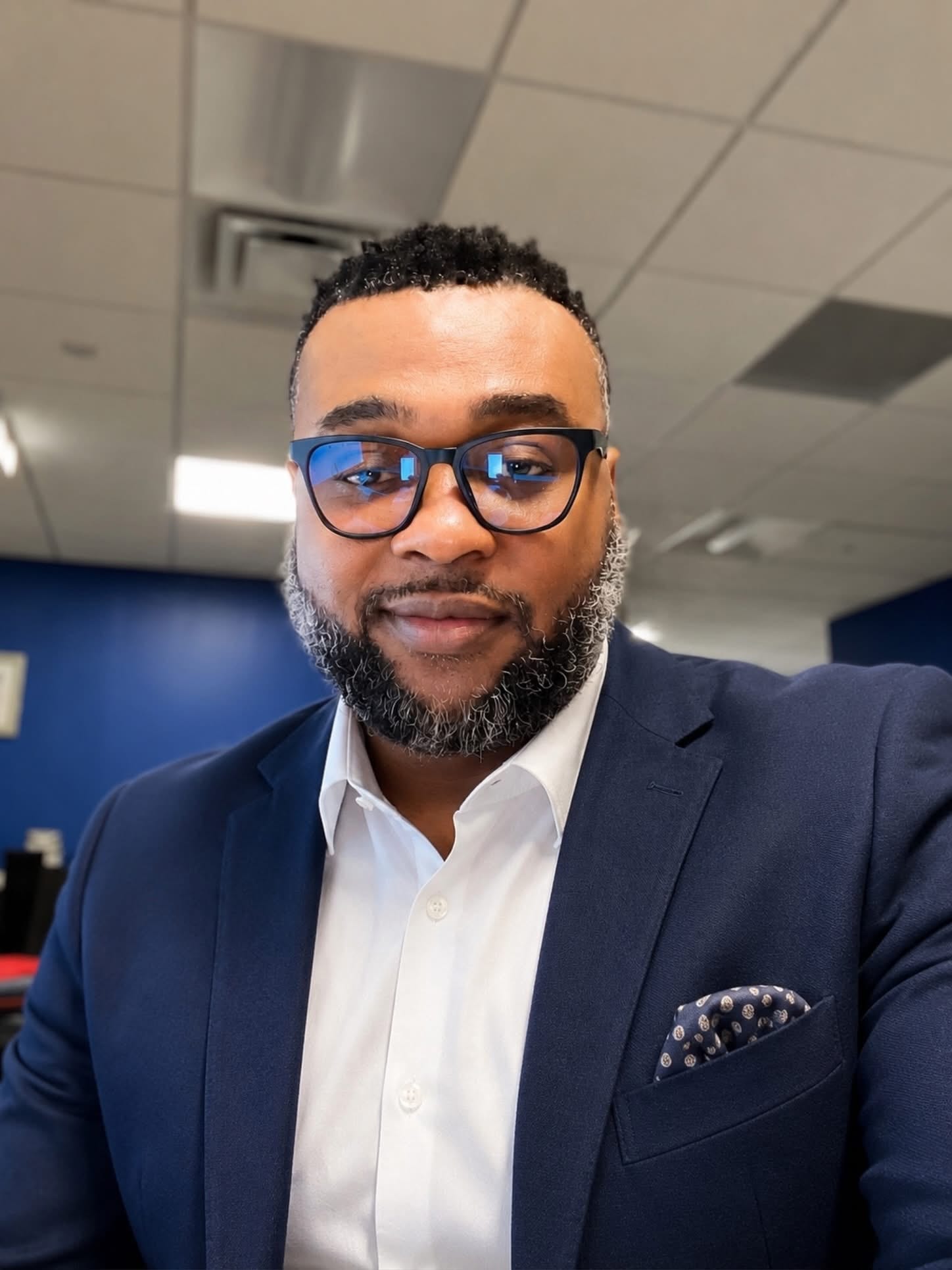
Prince Paul Omogie has spent over two decades in Nigeria’s digital commerce space watching this problem persist. He pioneered NairaPurchase, one of Nigeria’s earliest e-commerce frameworks, published infoPreneur magazine, and trained over 10,000 Nigerian youths in digital literacy through The Youth Project Nigeria. He has seen enough of how digital commerce has evolved on this continent to know what the electronics market is missing.
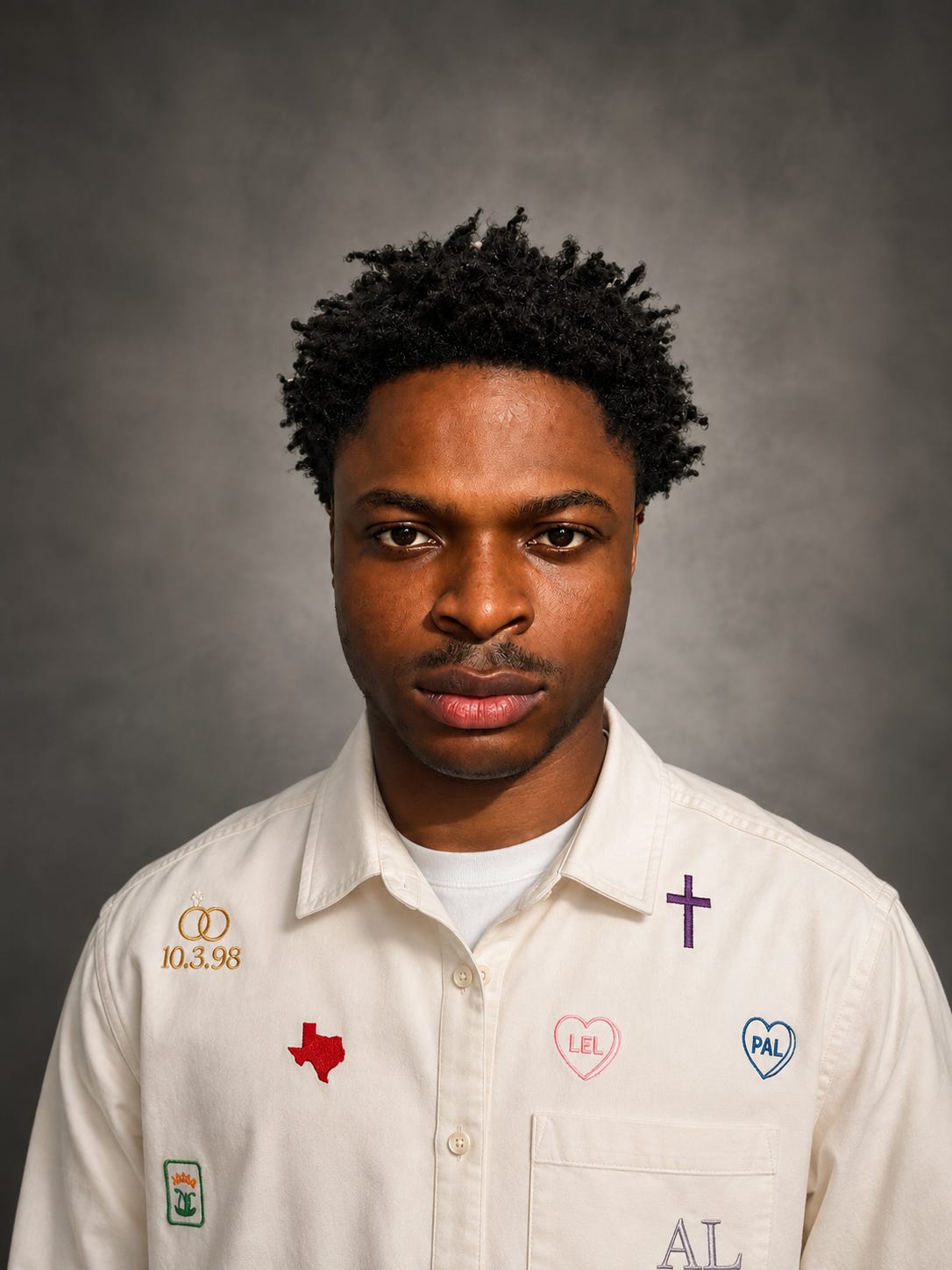
Together with Idris A. Hassan, a product designer and data analyst whose work spans fintech, e-commerce, and payments platforms across Nigeria, Cameroon, Morocco, and beyond, Paul built Kasdaq to fix it.
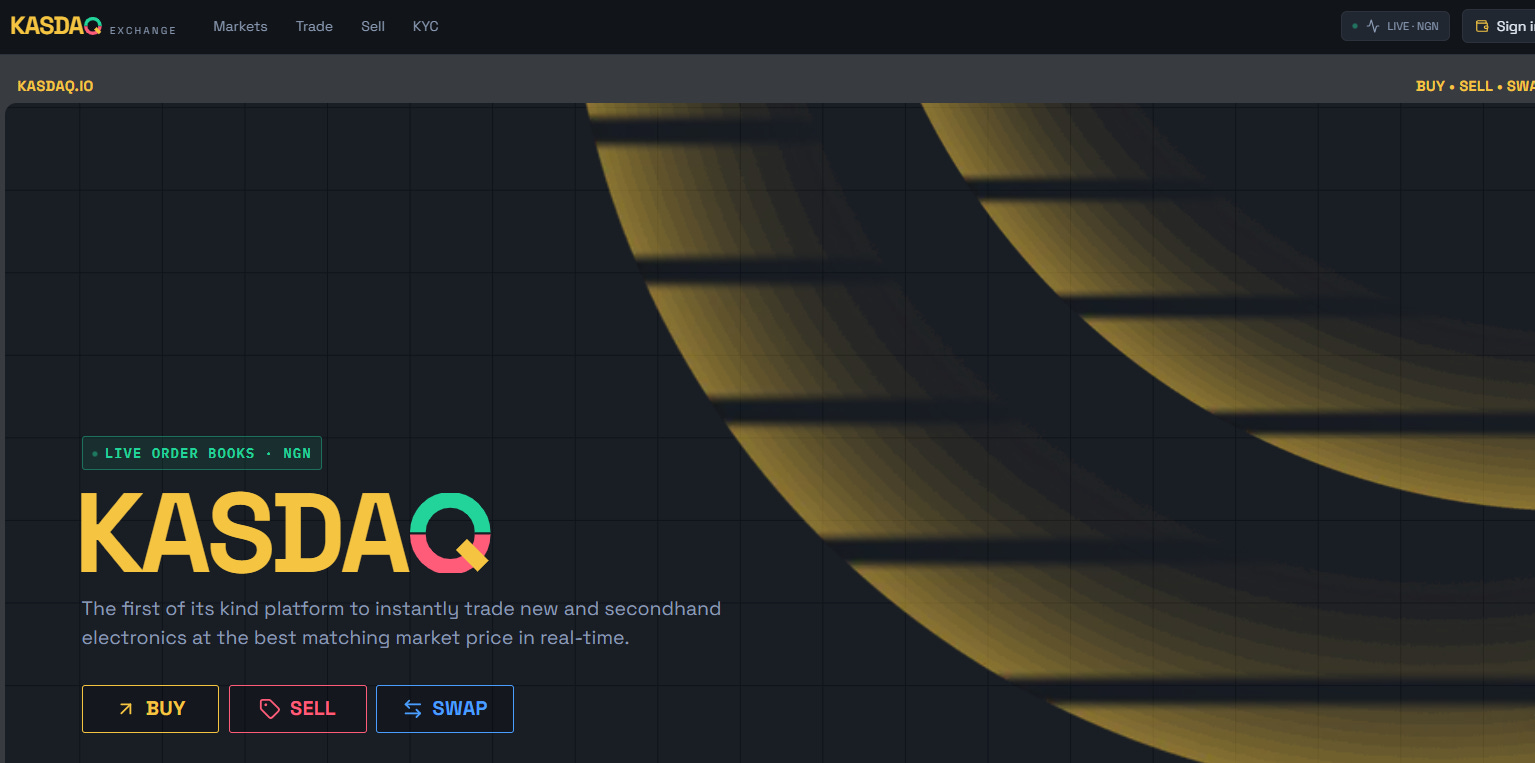
The name is worth explaining upfront, because people assume it is a play on the American stock exchange. It is not. Kasdaq stands for Kasoowa’s Digital Asset Queue, a live, real-time trading platform specifically for new and used electronics in Nigeria.
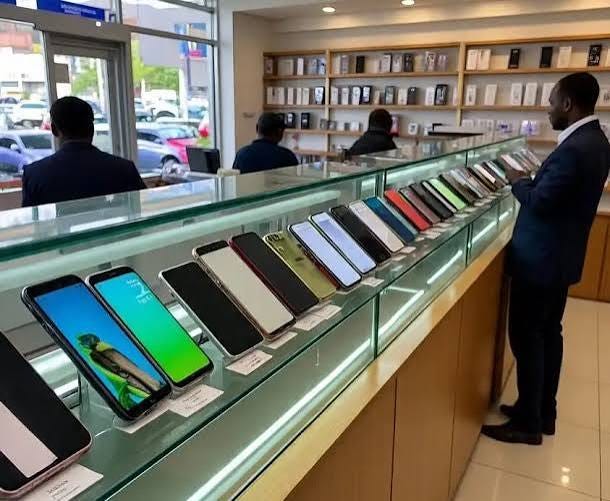
The stock exchange comparison is actually not far off in spirit, though. Kasdaq works on a matching queue system where buyers can bid within the range of the seller’s set price and last asking price. Real-time. Competitive. Transparent. You see what the market is actually paying for a device right now, not what one seller decided to post on a slow Tuesday.
That price transparency alone solves something the informal market has never been able to offer: an honest signal of what something is actually worth.
The harder problem is trust. And Kasdaq’s approach to it is where the product earns its place.
Every device listed on the platform goes through a verification process that requires detailed information about the device’s current condition. Phones require an IMEI check. Other electronics go through their own identification methods. This is not optional. The listing does not go live without it.
On the payment side, Kasdaq uses an escrow system powered by Paystack DVA. The buyer’s money does not go to the seller the moment a deal is struck. It is held until the buyer physically receives the device, confirms that everything matches what was listed: condition, specs, the full story and only then does the seller get paid.
That sequence is the whole game. The seller knows the payment is real before they hand anything over. The buyer knows their money is protected until they can verify what they are actually getting. Fake transfer screenshots do not work here. And neither does a seller describing a cracked screen as “minor wear.”
If there is a dispute about condition or description, it is handled before the money moves. Not after.
One feature that Idris was particularly deliberate about designing is swapping, and understanding why reveals something important about how this team thinks about the Nigerian market.
“In Nigeria, the average person doesn’t buy new devices,” Paul told in60. “They either look for a used phone or trade in their old one. Swapping has always been a significant part of Nigeria’s local market, even before the rise of electronics.”
Most platforms built around electronics commerce treat swapping as an afterthought, a feature added later for completeness. Kasdaq built it in from the start because it reflects how Nigerians actually behave, not how a designer in a different context imagined they might.
That instinct, building for how the market actually works rather than how it theoretically should, runs through every decision on the platform. The fact that buyers and sellers can agree to meet at a designated location for a physical handover before payment is released is another example. Kasdaq does not fight the offline instincts of the Nigerian buyer. It makes those instincts safer.
The business model stays lean on purpose. Trading fees are the primary revenue stream, kept low enough not to add another burden to people operating in an economy that already extracts enough from them.
Kasdaq is not only for individual buyers and sellers either. Businesses and vendors looking for a reliable sales channel and access to a broader market can list on the platform too. More users mean more competition, which drives prices toward their real value and gives sellers more opportunities to move inventory.
Paul and Idris's vision is specific. With over 850 customers on the waitlist, they want Kasdaq to be the name Nigerians say when they want to buy or sell electronics, the same way Nigerians have learnt to say certain names for food delivery or money transfers. Before any expansion beyond Nigeria, the goal is to own that mental real estate at home first.
“When people hear Kasdaq,” Paul said, “they should know it’s the first platform designed for safe and secure trading of new and used electronics in Nigeria.”
Getting there means buyers stop fearing fake or damaged devices, and sellers stop losing sleep over payment fraud. When both sides of a transaction trust the platform holding them together, the market starts to function the way it always should have.
Nigeria trades a remarkable volume of electronics every single day. Most of that value moves through channels that protect nobody. Kasdaq is the infrastructure that changes that.