


There is a phone call every Nigerian in the diaspora knows.
You dial home. Your mum picks up on the second ring. You ask how she’s feeling. She says “I’m fine, my child, don’t worry.” You hang up relieved. Three days later, a relative drops by the house and finds her in bed, too weak to move.
She was never fine. She just didn’t want to be your burden.
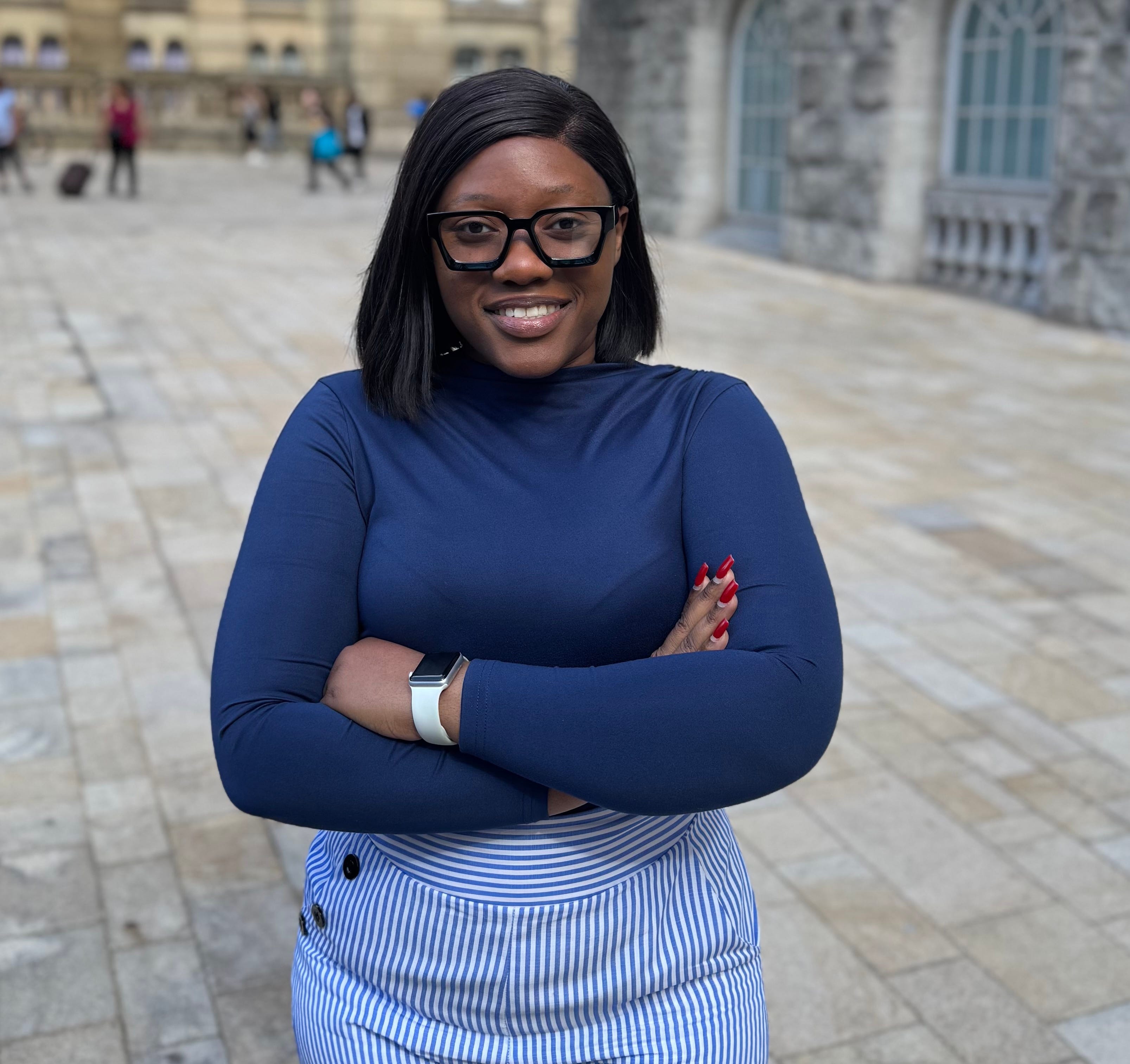
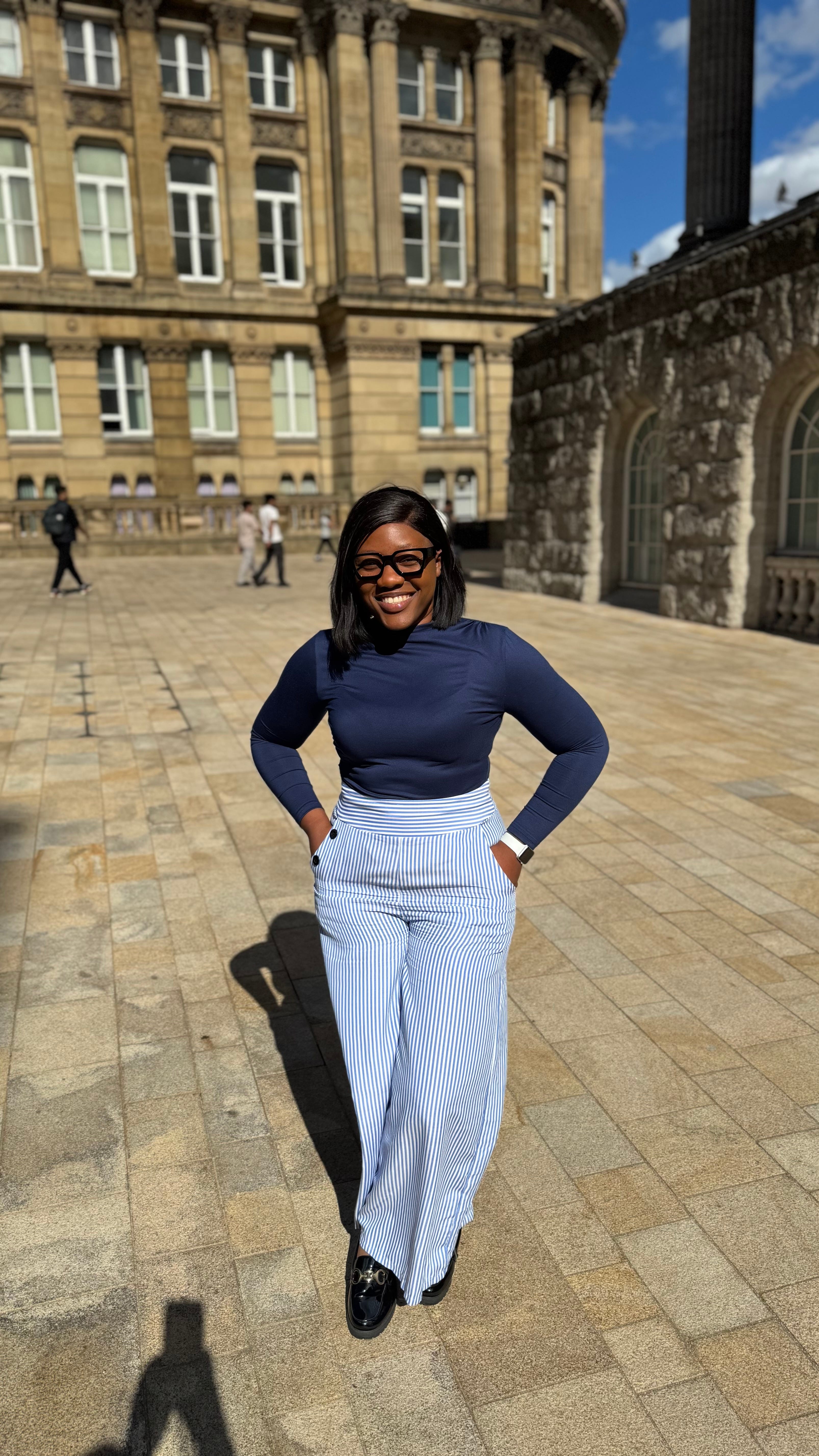
Eleanor Ojo-Emovon lived this. Not as a hypothetical, not as a user research finding, but as a daughter in the UK watching her parents age in Nigeria, separated by thousands of miles and the quiet lies parents tell to protect their children from worry.
The breaking point wasn’t her parents. It was her grandmother. The family was spread across Lagos. Grandma was in Edo State, just a few hours away. Close enough to feel manageable.
They did what every Nigerian family does: created a WhatsApp group, pooled money, sent it home for care. Before the second round of contributions was complete, her grandmother was gone.
“Money without visibility is passive,” Eleanor told in60. “If a family four hours away couldn’t prevent a tragedy, imagine the vulnerability of someone in London.”
That sentence became FAMVA.
What FAMVA actually does
FAMVA is a cross-border eldercare platform built specifically for diaspora families.
It pairs low-friction wearable monitoring with remote wellness analytics, so a daughter in London gets real-time, objective data about her mother’s health in Lagos, not a polite phone call, not a secondhand update, actual biometric truth.
When something looks off, FAMVA doesn’t just send an alert. It triggers verified, on-the-ground care coordination in the parent’s location. The goal is to replace the passive act of sending money with active health oversight.
But Eleanor didn’t just build a tracker. She built something elders would actually wear.
Early market research revealed a problem that no amount of engineering could solve alone: African parents actively hide their illnesses from children abroad. They say they’re fine because they don’t want to cause worry.
A cold medical dashboard would never get past that wall.
So FAMVA reframed the whole experience. Instead of a hospital monitor, it became a family companion. Parents get meal plans, light movement goals, cultural wellness nudges.
When a parent completes their morning walk, the child in London gets a notification and can instantly send a small reward, money for a favourite meal, a little celebration across continents. Wellness monitoring as a shared family ritual, not surveillance.
“If you build a medical tracker, elders will resist it,” Eleanor said. “If you build a source of daily joy and connection, they will embrace it.”
The founder behind it
Eleanor is not a typical healthtech founder. She studied Petroleum Engineering at the University of Lagos, ran an event planning business in Nigeria, then relocated to the UK and completed an MSc in Data Science with Distinction at the University of Wolverhampton.
FAMVA is the direct product of all three: the analytical rigour, the operational experience, and the lived ache of a diaspora daughter who refused to leave her parents’ health to chance.
She is also building with deliberate ambition. FAMVA’s platform architecture is aligned with UK digital health governance standards. The company has active R&D engagement with West Midlands universities including Wolverhampton and Aston, with joint Innovate UK grant applications in the pipeline.
The target market is the Nigerian diaspora, one of the largest and highest-remitting diaspora communities in the world.
What comes next
Eleanor’s long-term vision is not an app. It is infrastructure, a global ecosystem bridging international health insurance, remote monitoring, local home-care coordination, and emergency response across developing nations.
The default platform every diaspora family relies on to protect the people who sacrificed everything to give them a future.
Someone will try to build this eventually. Eleanor already knows what they’ll get wrong.
“They will build a nice dashboard, source cheap wearables, sign up local clinics, and assume that is enough,” she said. “What they will underestimate is the cultural nuance, the emotional context, and the lived diaspora experience required to earn real trust.
You cannot code authentic empathy if you haven’t lived the anxiety of being thousands of miles away when a phone call goes unanswered.”
FAMVA is not Eleanor building a product. It is Eleanor telling her own story, and giving millions of diaspora families a way to tell theirs.
Connect with Eleanor & FAMVA
Eleanor Ojo-Emovon — LinkedIn
FAMVA — famva.co.uk | LinkedIn | X: @myfamva | Instagram: @myfamva | Facebook: @famva