


Good morning. This one is not a light read. But it is an important one, and if you are building anything, anywhere, I need you to sit with it.
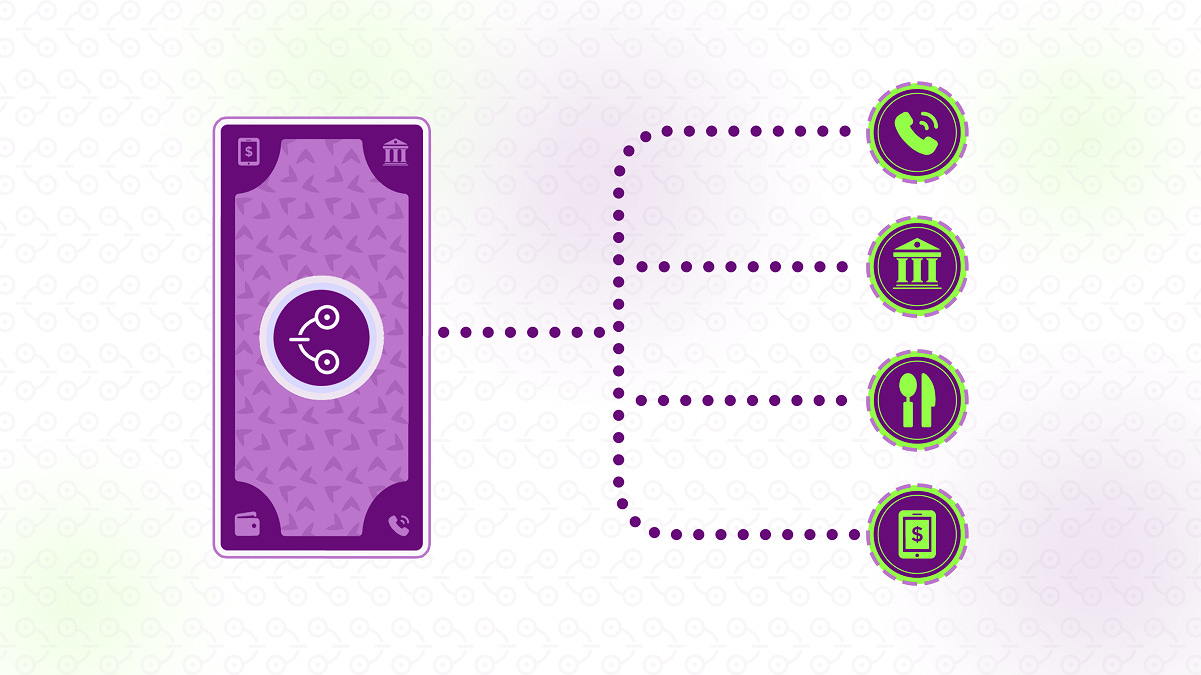
On May 12, Uchi Uchibeke announced that Chimoney, the cross-border payments startup he had spent four years building, was shutting down. The Nigerian-Canadian startup had built a unified API for cross-border payments across 41 currencies, served hundreds of businesses across North America, Africa, and Latin America, and raised under $1 million across its entire lifespan.
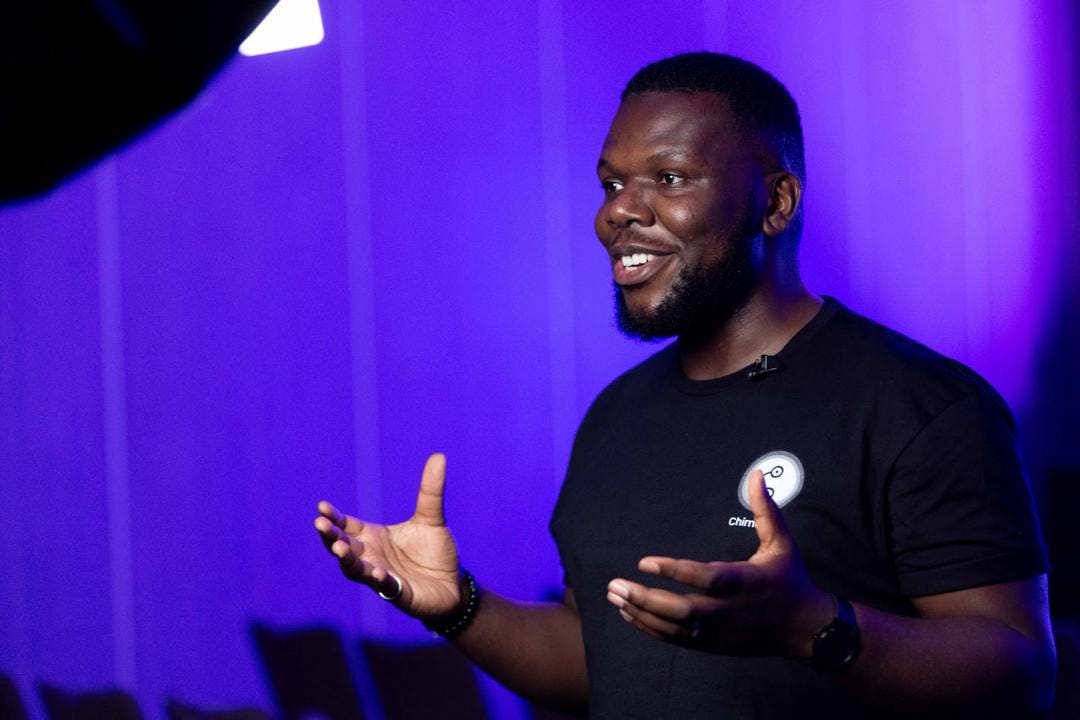
It had a FINTRAC MSB license. It had a Payment Service Provider registration under the Bank of Canada. It had real clients, real transactions, and a real product.
And on April 30, it stopped processing transactions for good.
When the shutdown post went up, it was written with the kind of control that most founders in that situation never manage. No drama. No blame. Just clarity. “The product worked,” Uchibeke wrote. “It was distribution. I spent too much of my time building and not enough time making sure people knew what we built.”
That sentence deserves to live rent-free in every founder’s head.
“Under $1 million is too thin for a venture-scale fintech across multiple jurisdictions. I should have either raised meaningfully more or bootstrapped properly with a profitable beachhead. Trying to operate at venture scale on bootstrap capital was the wrong strategy.”
— Uchi Uchibeke, Founder, Chimoney
But here is the part of this story that matters beyond the clean narrative. There is a harder detail buried underneath. Chimoney’s app carried a 2.1 rating out of 5 on Google Play across 49 reviews at the time of shutdown, with the 1-star bar the most prominent in the distribution chart.
Review after review described the same cluster of problems: KYC submissions sitting unacknowledged for months, funds stuck on the platform, customer support going completely silent. Several of these reviews were posted in the second half of 2025, the same period the company was publicly repositioning around AI agent wallets.

That tension matters. Not to diminish what Uchi built, because he built something real. But because it is a reminder that a great product and a struggling product can exist at the same time, on the same platform, depending on who you ask. Founders owe it to themselves to hear both truths.
Distribution is not a marketing problem. It is a survival problem. And most founders discover this too late.
Most African startup shutdowns are abrupt. Chimoney’s was structured. Accountable and honest. That is its own kind of achievement.
So what does this mean for you, sitting here on a Monday morning with something you are building? Uchi left three things behind, write them down.
01 — Raise properly or bootstrap with a profitable beachhead. Do not try to do both at once. Venture-scale ambition needs venture-scale capital, or a business model that feeds itself early.
02 — Distribution is not an afterthought. He estimates he spent 90% of his time on product and 10% on customer acquisition. That ratio, he says, should have been closer to 50/50.
03 — How you close matters as much as how you build. “Your reputation follows you,” he wrote. Refund every dollar. Help people leave well. Then go build again.

Chimoney is gone. But Uchi Uchibeke is not. And the ecosystem is better for the honesty he chose to leave behind. Keep building. Stay honest. And please, make sure people know what you are building while you are still building it.
From the IN60 archive — in case you missed these:
1. Fincra quietly secured a licence in Ghana. Their sixth country. Total funding raised? $120,000.