

Before Oluwaferanmi Ajetomobi found his place in the startup world, he had his eyes on medicine. First, he wanted to become a cardiologist. Then he read Ben Carson’s Gifted Hands and decided neurosurgery was the way to go.
Neither plan survived his first real encounter with the medical profession. Looking back, however, he can see that the things he enjoyed outside the hospital were already pointing him somewhere else. After spending a year experiencing medicine from the sidelines, he began to question whether it was really for him. As he puts it, “na so e dey be?”
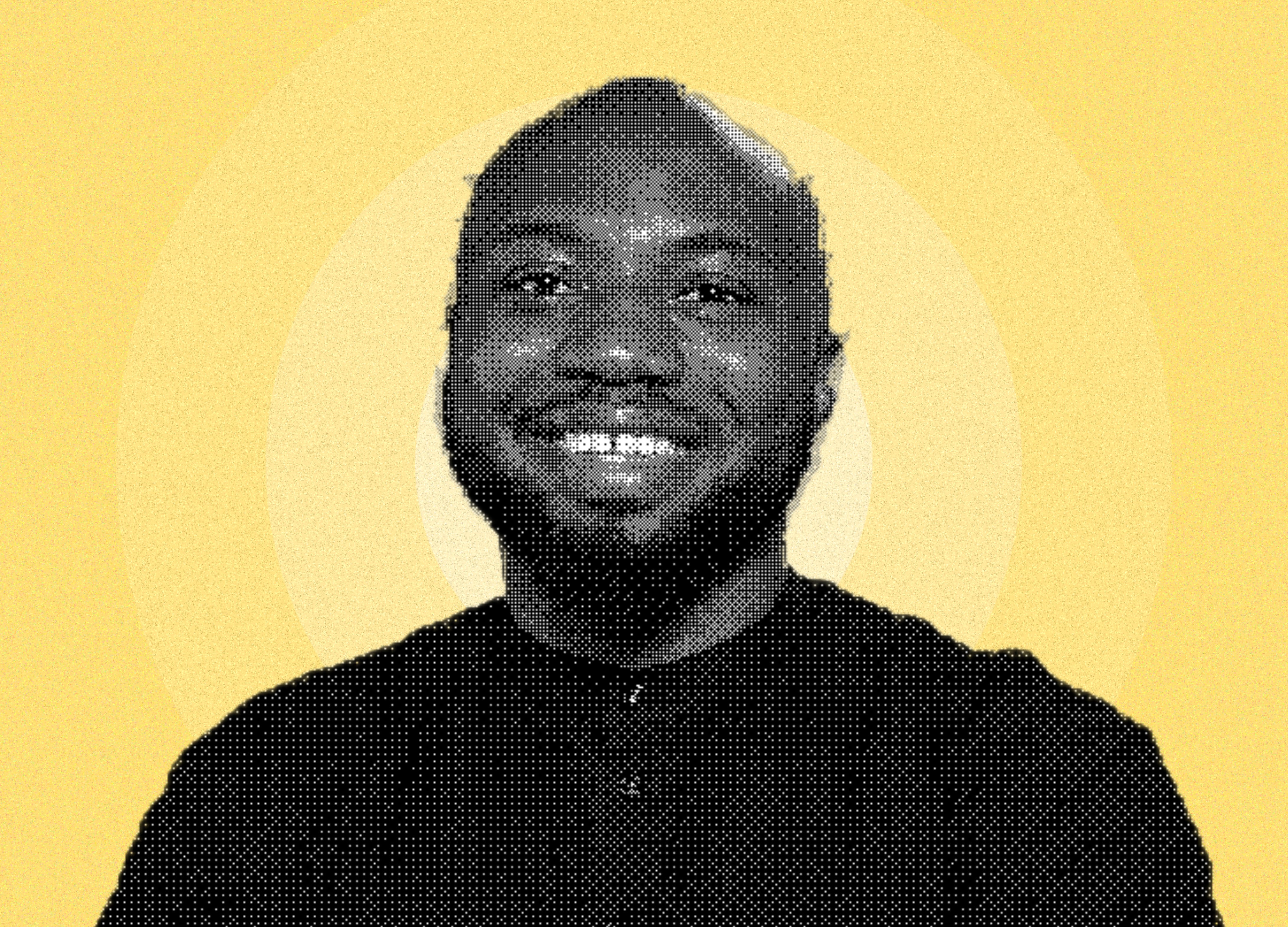
His first meal and an award-winning essay, for instance, taught him two ways of telling stories: through food and through words. One communicates through flavour; the other influences how people think and behave. Marketing eventually brought those interests together.
Today, Feranmi is Chief Marketing Officer at Timon, a travel payments platform that helps people manage money and stay connected across borders. His career has taken him through Cowrywise, Flutterwave, Cenoa, and other consumer-facing businesses, where he has spent years figuring out why people adopt products, what makes them trust a brand, and what gets them to keep using it.
But his story is not just about marketing campaigns and growth targets. It is also about learning to listen to customers, admitting when a good idea does not sell, and understanding that a playbook from one business may fail in another.
The lessons behind the growth numbers
Feranmi’s interest in storytelling started early. He launched a blog in 2011 and later got a taste of agency work through a friend. Those experiences helped him see marketing as more than getting people to buy something. He wanted to be involved in the stories that shape behaviour.
That belief followed him to Cowrywise, where he once spent 24 hours writing blog posts, taking short walks but continuing to edit the pieces in his head. At the time, he believed education was one of the strongest ways for a young financial brand to earn people’s attention and trust.
He still carries one lesson from that period: “People trust teachers.” In his view, brands should not leave the job of building trust entirely to influencers and other amplifiers. They must first become useful sources of knowledge in the spaces where they operate. Teaching customers also gives businesses a better understanding of what people need and what they are trying to figure out.
His experience at Cenoa reinforced the importance of listening before building. The team had developed a non-custodial savings wallet, but customer conversations revealed that people did not necessarily want another generic savings product. They wanted an easier way to access US accounts, with yield and cheaper transaction fees as added benefits.
After repositioning the product, Feranmi said transaction volume grew 31 times in five months.
Not every experiment has produced the result he wanted, though. One that still stands out was the launch of Refresh yoghurt, a product from Integrated Dairies, the makers of FarmFresh.
The team introduced 250ml and 500ml bottles around the idea of “a meal in a bottle”. The smaller size was designed with parents buying for their children in mind. Interviews suggested they liked the idea, but when they got to the shelf, the price told a different story.
“They loved it. Then they went to the shelf, did the maths on price against how often a child would need one, and walked away with something cheaper,” he recalled.
The product had a compelling story, but the price put it beyond the mass market. For Feranmi, it was a reminder that what customers say they want and what they are willing to pay for can be two very different things. Today, he would test a product with actual sales in a few stores before committing to a full launch.
That practical approach also shapes how he handles pressure. When budgets are tight and every team has an urgent request, he asks one question: what will bring in revenue? Earlier in his career, when he did not always have the authority to reject ideas, he learnt to direct about 70% of his effort towards activities that could move revenue.
It is a simple rule, but one he still relies on.
Building for people who cross borders
At Timon, Feranmi is applying these lessons to a problem familiar to anyone who has travelled abroad and struggled to pay for something or get online.
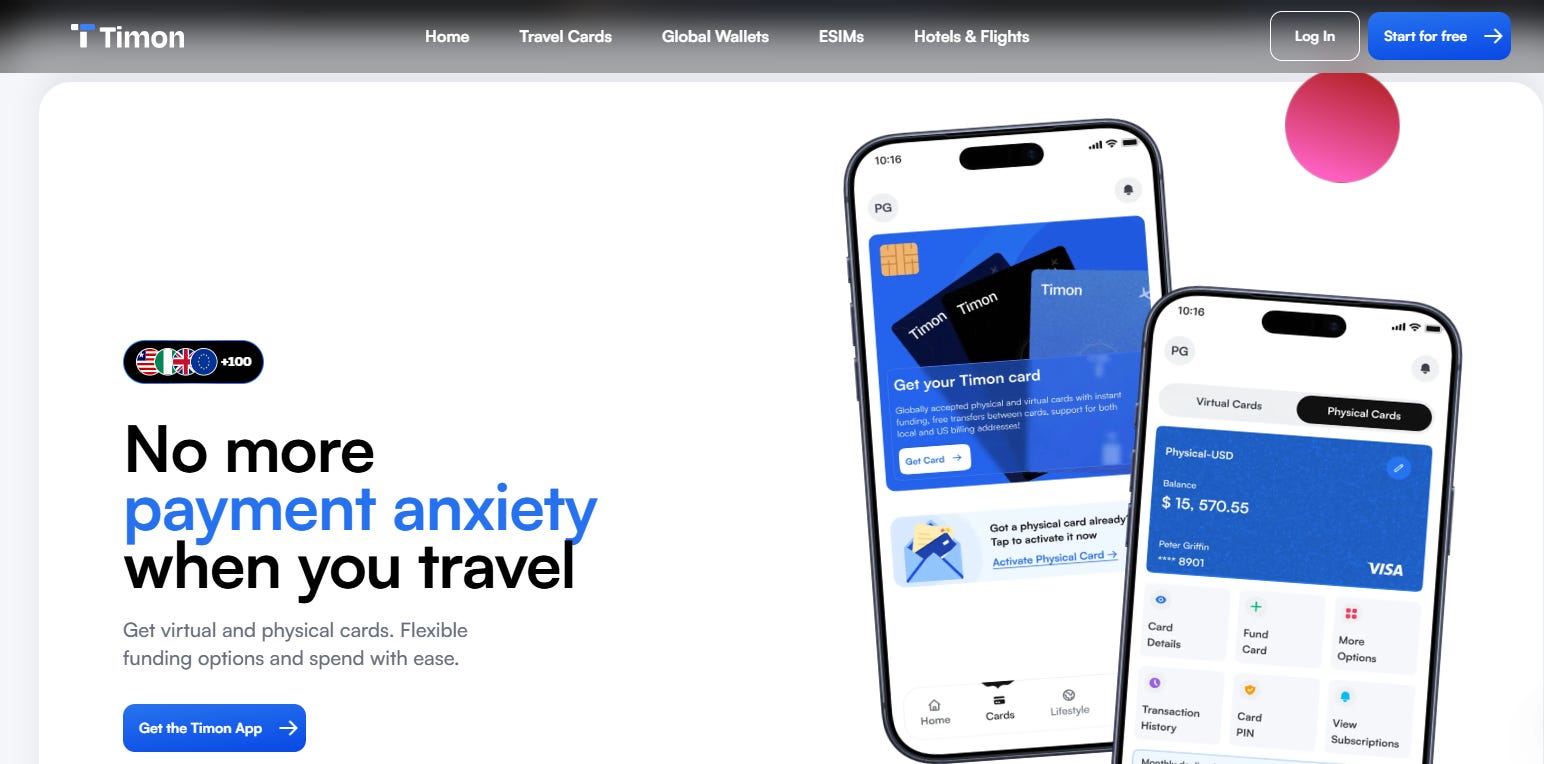
Timon brings together travel cards, a global wallet, transfers and eSIMs in one app. The idea is to reduce the number of separate services travellers need when they cross borders. For people from the Global South in particular, the experience can be frustrating: a card that fails at a merchant, no mobile data after landing, or a local payment method they cannot access.
Feranmi describes the bigger problem as “being stranded”. It could mean arriving in Nairobi without data and struggling to book a ride, only to discover that many merchants prefer M-Pesa. In China, travellers may encounter similar difficulties with Alipay and WeChat Pay.
His own interest is in making sure people can get on with their trips instead of spending valuable time figuring out how to pay or connect.

One frustration he finds particularly interesting is what happens after travellers exchange money into a foreign currency. Someone might change a large amount at the airport, then feel pressured to spend the balance because converting the leftover money back comes with another cost.
Timon’s global wallet is designed to let users convert what they need, when they need it, rather than exchange a large amount upfront. It is one way the company hopes to make travelling less stressful, particularly for people who may not have easy access to the payment systems used at their destination.
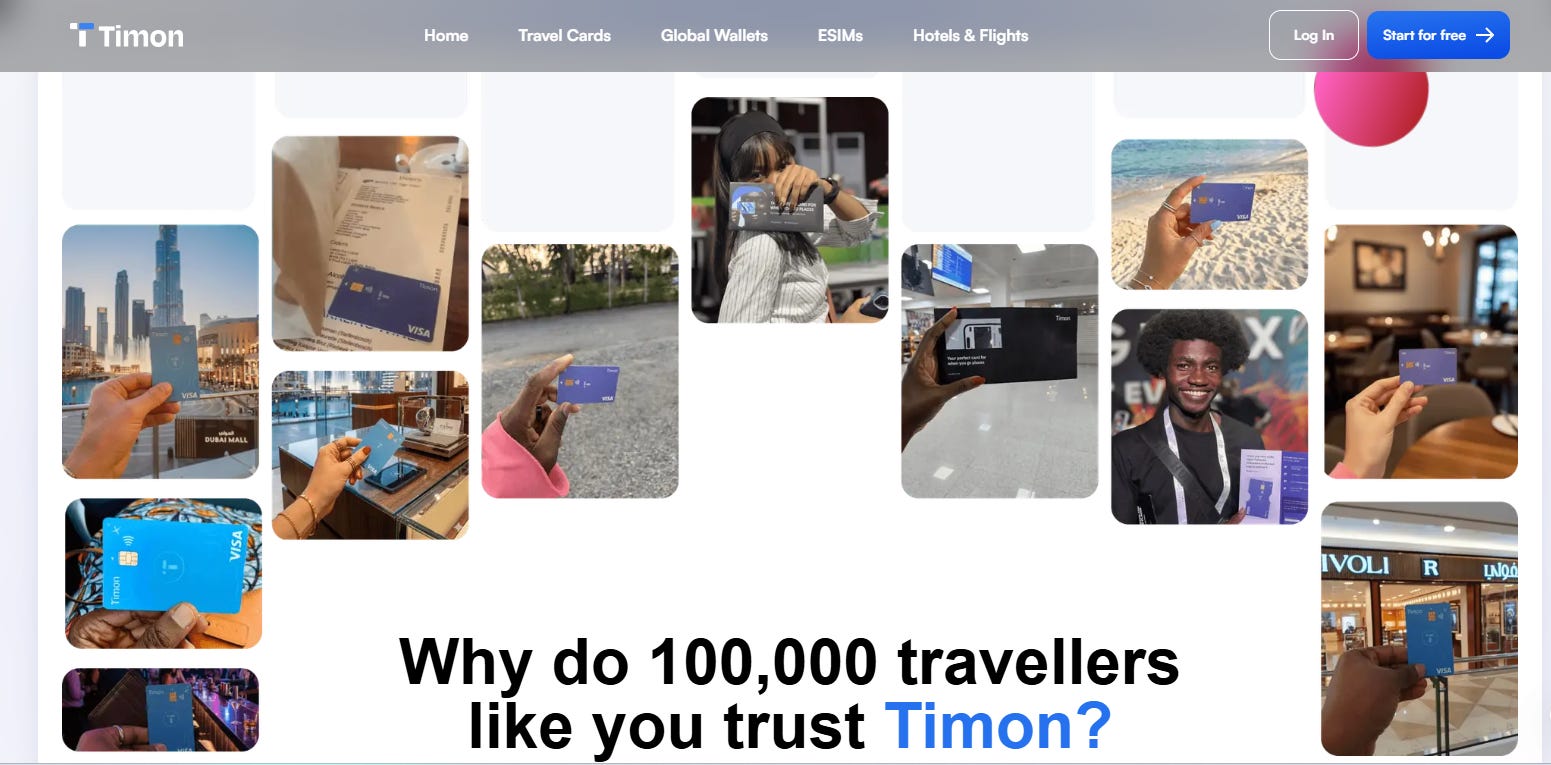
Getting people to understand and trust these services, however, takes more than advertising. Feranmi says the team spends time explaining fees, card limitations, and what happens when a transfer is processing. He also admits that its in-app communication still needs work.
One discovery was that some users did not even know Timon offered eSIMs, despite the team talking about the feature. That pushed them to experiment with bundling and changing how the feature appeared in the app. It was a lesson in product discovery: sometimes the problem is not that customers are uninterested, but that they have not found what they need.
He is also careful about applying growth strategies from one company to another. A push-notification strategy that works for a fintech, for example, may not work for an online retailer. He learnt this after advising a friend at CDCare to reduce notifications, only to find that the messages were driving sales spikes.
The data changed his recommendation. Rather than simply sending fewer notifications, the business could tailor them to customers’ previous purchases and periods when they were more likely to shop.
For him, experience should provide ideas, not instructions that every company must follow. What works in one business has to be tested against the behaviour of customers in another.
The man behind the growth targets
Away from the work, Feranmi has an ambition that might surprise people who know him mainly through fintech and marketing: he wants to become a travelling food storyteller.
He imagines moving from one country to another, leasing a small garden for a few months and hosting fusion dinners and long brunches. A Yoruba pepper sauce might meet ingredients grown in the soil of his temporary home. When the season ends, he would pack up and do it all again somewhere else.
He draws inspiration from Anthony Bourdain, who used food to tell stories about places and people, and Tunde Wey, whose pop-up dinners opened conversations about identity and society.
Ajetomobi wants to take that further by becoming a guest lecturer on food and spices, sharing what different ingredients, cooking traditions and flavours can tell us about the places they come from. For him, food is not just something to prepare or eat; it is another way to understand people and bring them together.
There is a personal reason this dream feels close to his work at Timon. Every new travel corridor the company opens, and every problem it solves for nomads, is one less obstacle for the kind of life he hopes to live.
Still, building a company has demanded sacrifices. He says the work has sometimes taken him away from his family, and even when he is home, the pressure of thinking through problems can leave him feeling isolated. He has started putting more structure around his days, although he admits he is still figuring out the balance.
Professionally, he is thinking beyond payments. He wants Timon to become a full-stack travel app, one people open before leaving home and continue using throughout their trip. The ambition is to help users prepare for a journey, navigate a new place, and handle the practical problems that come with being away from home.

Personally, he wants the freedom to land somewhere new, explore its food, learn about its spices, and invite people to the table. The two ambitions may seem different, but they share a common idea: making it easier for people to move, connect, and experience somewhere beyond what they already know.