


Good morning. Grab something warm and sit with this one for a minute.
Imagine you are a founder in Enugu. Or Kaduna. Or Maiduguri. Or Kisumu. Or Bulawayo. You have spent the last two years building something real, a product with paying users, a problem worth solving, a team that shows up every day. And then you start reaching out to investors.
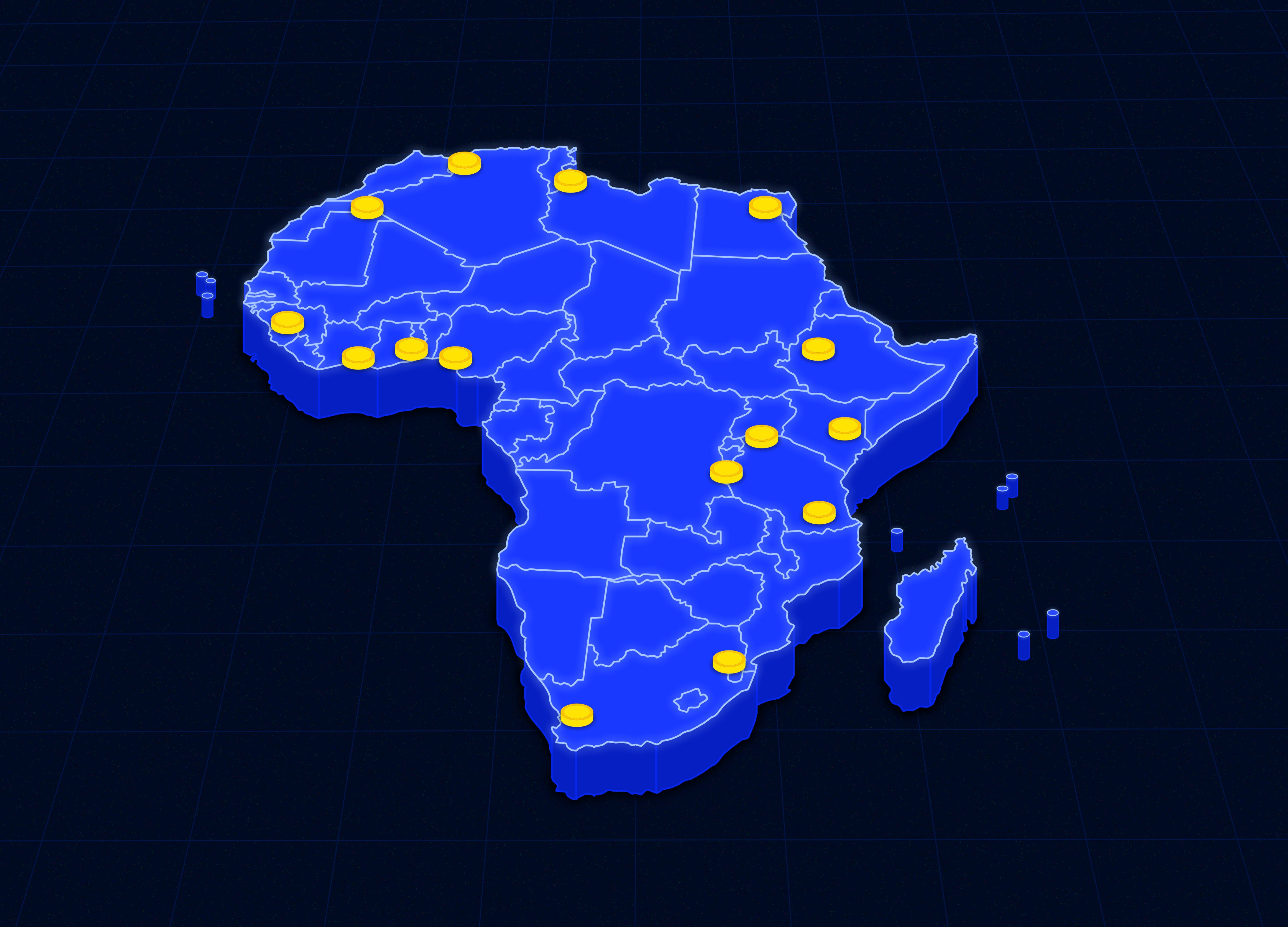
The response you get, more often than not, is silence. Not because your product is bad. Not because the market isn’t there. But because the investor’s mental map of Africa has about 15 cities on it, and yours is not one of them.
This is not a feeling. It is now a documented fact.
AyaHQ, a Techstars-backed builder community, just released its first impact report, and one number in it stopped me cold: Africa has 7,600 cities. Startup investors consistently fund the same 15. Lagos. Nairobi. Cairo. Cape Town. Dakar. Kigali. Tunis. Accra. Algiers. Casablanca. Abidjan. Dar es Salaam. Johannesburg. Addis Ababa. Kampala.
The remaining 7,585 urban centres, where millions of Africans live, work, and build things, are largely invisible to the capital that could actually transform them.
And while that gap has always existed, it is getting worse. African startups raised $708 million in the first four months of 2026, down 13% from the same period last year. But the real number to pay attention to is not the total amount. It is the number of startups that raised. That fell from 180 to just 124, a 31% decline. In April alone, only 32 startups raised funding across the entire continent. Thirty-two. In a month. Across 54 countries.
The money is not disappearing. It is just flowing to fewer people in fewer places.
Women-led startups are feeling this hardest. Female founders raised just $49 million in Q1 2026, 8.2% of the total, down 56% from Q1 2025. The number of deals involving women leaders dropped from 46 to 20. Think about that. Not just less money. Half as many deals. In one year.
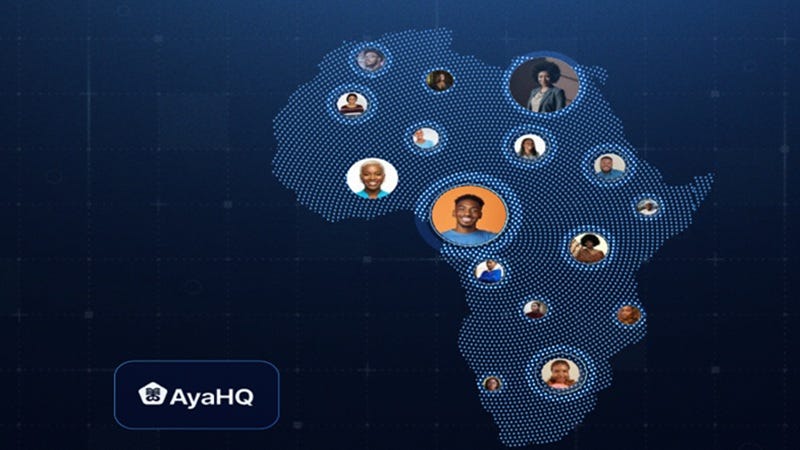
This is the ecosystem that AyaHQ has been operating inside for three years, not in Lagos or Nairobi, but in Abokobi, Ghana, and Kilifi, Kenya. Places that do not appear on most investor slide decks. Places where the Wi-Fi is patchy and device access is a real barrier, and where the report honestly admits dropout rates have been a persistent problem because of exactly these things.
And yet. In three years, AyaHQ has supported more than 80 startups across 34 countries, deployed over $500,000 in grant and equity funding, and watched those startups collectively process more than $5 million in transactions. For every dollar deployed, roughly $10 in economic activity came back.
The Accra hub hosted 765 builders from eight countries last year. The Kilifi hub, which only opened in January 2025, hosted 600 builders from 16 countries in its first year and ran a tech pilot in secondary schools while doing it.
Their training programme, AyaVersity, has graduated 112 fellows and reached over 30,000 young people across Africa, teaching both software engineering and what they call the PACE framework: problem-solving, adaptability, creativity, and empathy. 40% of graduates across all cohorts have been women. In one cohort, that number hit 54%.
None of this happened in the 15 cities investors already know.
Here is what I keep thinking about after reading this report. The reason venture capital flows to the same cities every time is not just familiarity, it is also infrastructure. Good internet. Co-working spaces. A community of other founders to benchmark against. Easy flights for investor visits. The cities that get funded are the ones that already make it easy to be seen.
Which means the real problem is not just capital. It is visibility. And visibility is a solvable problem, if the right people decide to solve it.
AyaHQ is betting that the next wave of innovation in Africa will come from places that do not yet have a startup reputation. Their plan by 2030 is to expand physical hubs into Francophone West Africa, East Africa, and Southern Africa, build a reliable investor pipeline for founders outside the usual cities, and track at least 500 alumni over time to actually measure what the work produces.
They are also being honest about what has not worked, relying too heavily on Web3 funding made planning unstable, legal issues slowed down one cohort, and tracking alumni after graduation has been inconsistent. That kind of honesty in an impact report is rarer than it should be, and worth noting.
The founders building in Enugu, Kisumu, and Bulawayo are not waiting for permission. They are already building. The question is whether the capital, the infrastructure, and the visibility catch up to them before they run out of runway.
That is the real Monday question. Go build something. 🙌