

Fifteen years ago, Sam Aiyesoro figured out something that most people in Nigerian tech are still figuring out now.
He launched a company called TellNig Data Services. The idea was simple: buy bulk data, break it into smaller, affordable packages, and sell it to people who needed connectivity but could not afford to buy it in large quantities. No grand ambition attached to it at the time. Just a clear market gap and a founder willing to fill it.
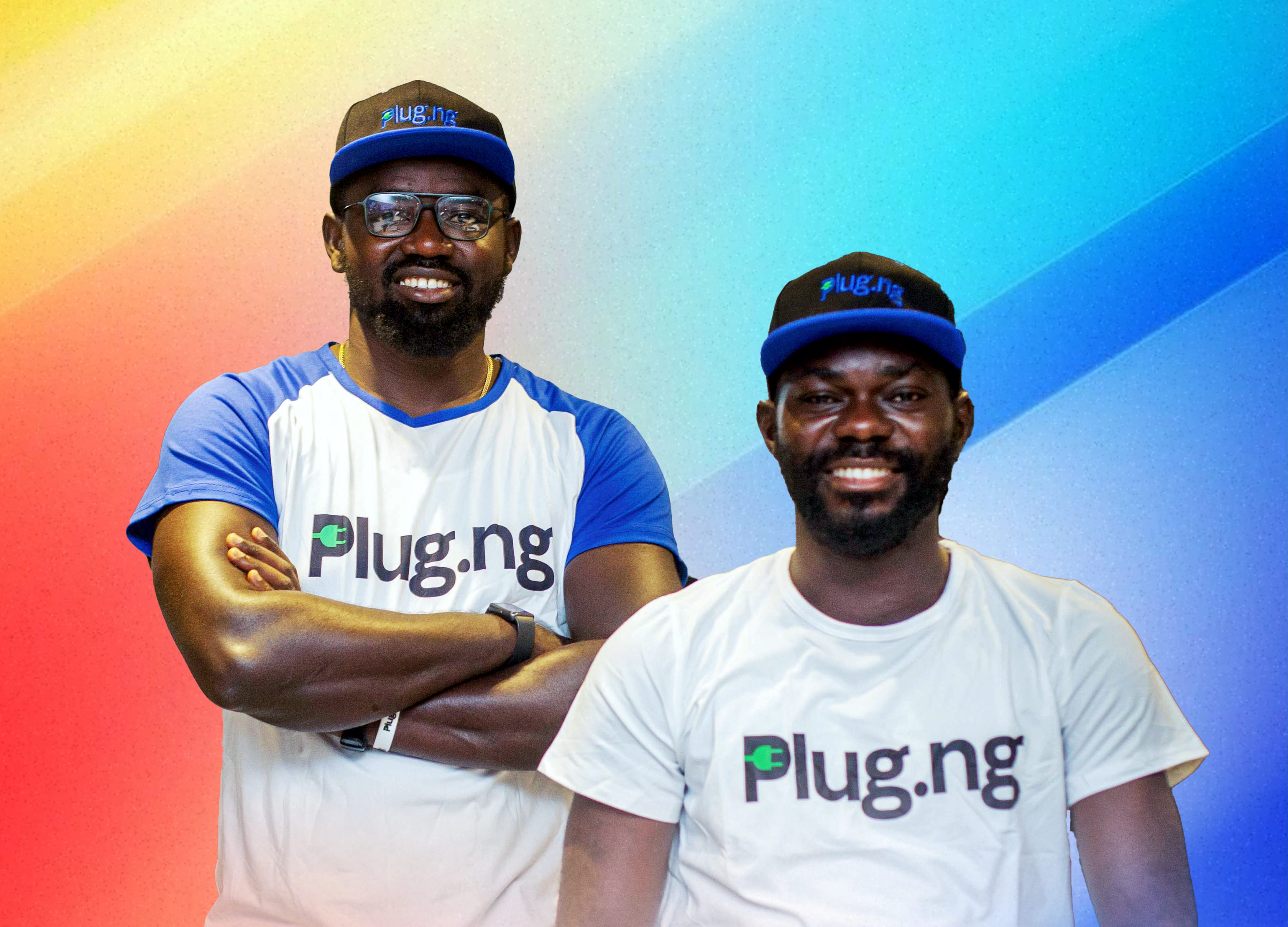
That business model: identify the friction, remove it, make it affordable, became the intellectual foundation that everything Sam has built since is standing on. SekiApp. ShopNig. And now, Plug.ng.
He did not build Plug.ng because he had a eureka moment in the shower. He built it because fifteen years of watching Nigerians juggle multiple apps just to handle the basics of daily life had made the solution obvious.
The question was never what to build. It was whether to stop experimenting and finally build it properly.
Here is the problem Plug.ng was created to solve, stated as plainly as possible.
The average Nigerian with a smartphone and a job is managing at least four or five different apps just to exist in the modern economy. One app for data. Another for electricity. A third for virtual cards when they need to pay for an international subscription. A fourth for event tickets. A fifth for travel eSIMs.
Each one with its own login, its own balance, its own customer support number to call when something goes wrong.
That fragmentation is not just inconvenient. It is expensive, in time, in mental overhead, and in the accumulated small fees that each platform takes for doing one thing that a single platform could do for you in one place.

“The core problem we identified wasn’t a lack of options, but extreme fragmentation,” Sam told in60. “We looked at that operational friction and built Plug.ng as a unified ecosystem, one single app that consolidates all these essential touchpoints.”
Airtime. Data. Electricity. Virtual cards. Event tickets. Travel eSIMs. Gaming top-ups. All of it under one balance, one login, one app.
Sam’s reference point for where Plug.ng is going is deliberate and worth paying attention to. “Look at what Alipay did in China,” he said. “They started with a single transactional focus and grew into the digital operating system for daily life. That is the trajectory we see for Plug.ng.”
What the market taught him
When Plug.ng launched, Sam’s assumption was straightforward: low pricing and speed would be the primary reasons people signed up and stayed. Cheaper data. Faster electricity payments. Beat the competition on the numbers and the users will follow.
The market taught him something different almost immediately.
“Convenience and versatility completely trump micro-discounts,” he said. Users did not want five separate cheap apps. They wanted one reliable place that handled everything without friction.
The moment Plug.ng shifted its focus from competing on price to building a comprehensive zero-friction ecosystem, retention moved sharply in the right direction.
“In African fintech, saving a user time and mental overhead builds far more loyalty than cutting a few naira off a transaction,” Sam said.
That insight, simple as it sounds, is one that most fintech companies in Nigeria are still learning.
The number that made people pay attention
52,000 active users in the Plug ecosystem at one year old is a solid milestone for any consumer platform. But it is not the number that made people genuinely stop and look at what Plug.ng is building.
That number is 120,000.
In the last eight months alone, Plug Events, the access and ticketing division of Plug.ng, has accredited over 120,000 event-goers without a single stampede or gate bottleneck. Events like the Food Fest at Tafawa Balewa Square in Lagos. Choc Party in Ibadan. Food Fest in Owerri.
And the nationwide accreditation for the Golden Penny Children’s Day Fest, where the platform processed 51,000 children simultaneously across four states.
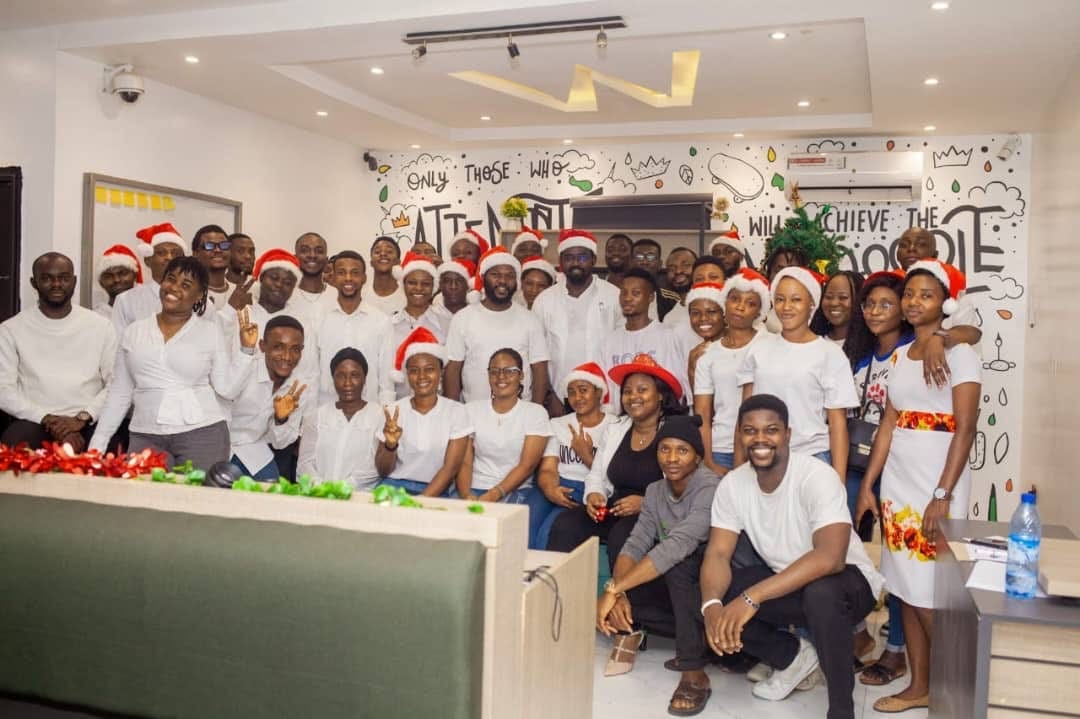
That last one is worth sitting with. 51,000 children. Four states. Simultaneously. Zero incidents.
Accreditation at scale sounds like a logistics problem. It is actually a technology and trust problem, the kind that exposes every gap in your system the moment real crowds show up. Plug.ng has now run that test at scale multiple times and come out the other side with a track record that speaks for itself.
It is also why the nomination for Startup of the Year at the Ibadan Tech Expo landed the way it did. Not because of the recognition alone, but because it came from a city that watched Plug.ng execute on the ground, not just on a product slide.
What Sam is actually building toward
The technical architecture of Plug.ng was designed from day one to be lightweight and modular. That is not an accident, it is a deliberate choice that allows the team to add features without breaking existing ones and without making the app heavier than it needs to be. Reliability, Sam says, is the ultimate retention engine in Nigeria.
“When payments process instantly without network friction, users stop shopping around,” he said.
The roadmap from here includes train and flight bookings, hotel reservations, business transfers, and insurance, all inside the same ecosystem. But Sam is clear about the sequence.
“To get there, you have to earn the right to scale,” he said. “Right now, our focus is on setting the foundation right, robust infrastructure, the necessary licences, strict audit compliance, bulletproof reliability.”
His measure of success in ten years is not a revenue figure or a transaction volume. It is simpler and more ambitious than that.

“If ‘Plug Ng’ becomes an everyday verb in Nigerian households,” he said. A student in Enugu buying campus data. A family in Ibadan paying their electricity bill. A founder in Kano managing their business account. A traveller booking a ticket. All of it on Plug.ng, without a second thought.
That is what fifteen years of building has been pointing toward. And for the first time, it has a product that looks like it might actually get there.